Whether HFCL1206M1W0R010F can replace KRL3216T4A-M-R010-FT1 when components need to be replaced in electronic design or maintenance depends on whether the technical specifications of the two match. KRL3216T4A-M-R010-FT1 is a surface mount current sensing resistor commonly used in high-precision circuits, with key parameters including package size, resistance, tolerance, and power level. Below, we will compare the differences between KRL3216T4A-M-R010-FT1 and HFCL1206M1W0R010F in detail and evaluate the feasibility of alternatives.
KRL3216T4A-M-R010-FT1 is not an ordinary surface mount resistor. It belongs to the Susumu KRL series and is a precision component specifically designed for current sampling and shunt measurement. This KRL3216T4A-M-R010-FT1 resistor adopts advanced four terminal (Kelvin connection) design and metal foil technology, which can effectively eliminate the influence of lead resistance and contact resistance on measurement accuracy, especially suitable for occasions with extremely high measurement accuracy requirements.
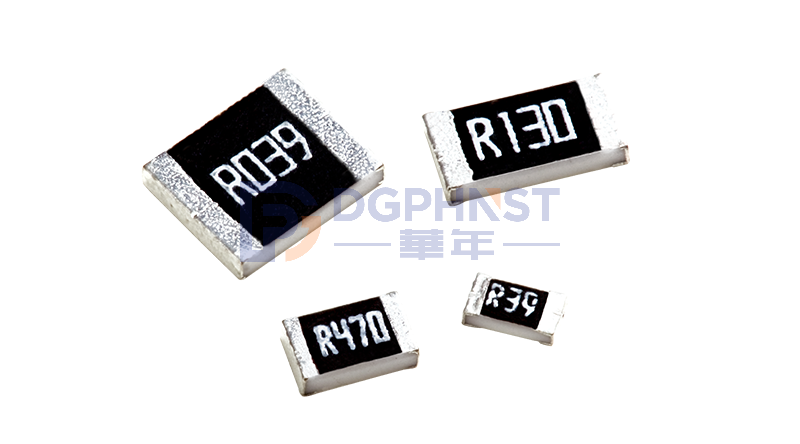
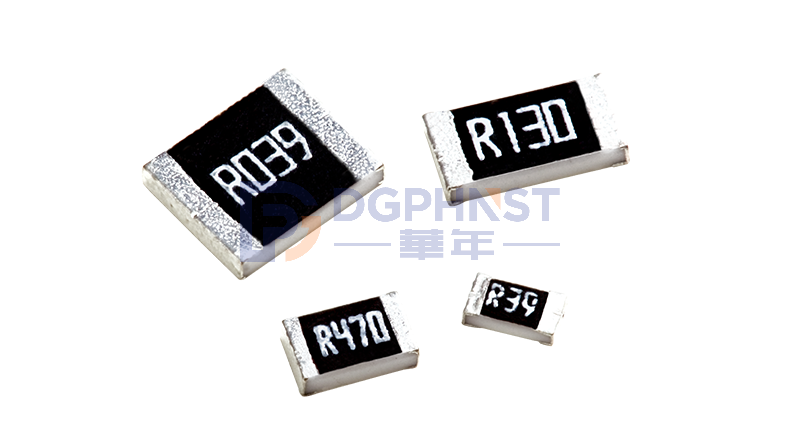
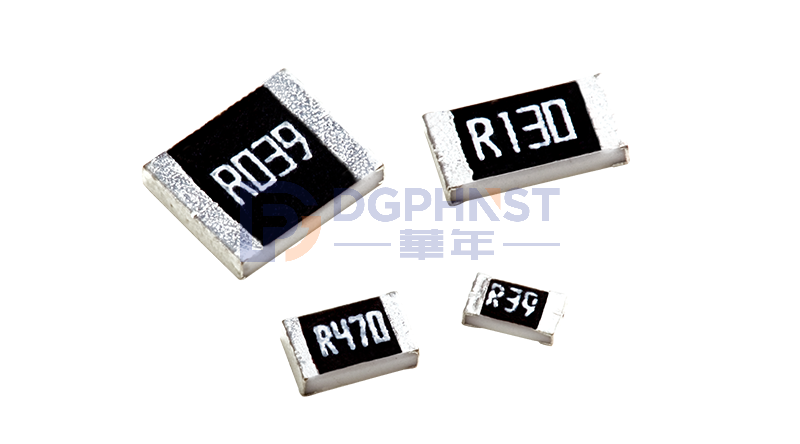
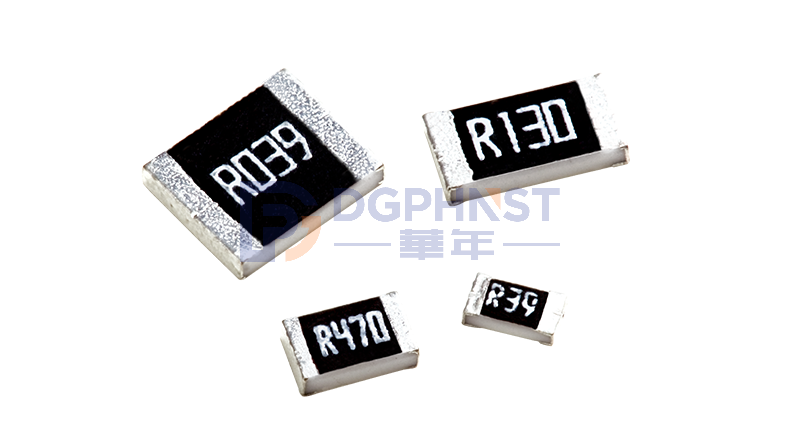
Surface mount alloy resistors are widely used in fields such as current detection, power conversion, automotive electronics, and industrial control due to their low temperature coefficient (TCR), high power density, excellent pulse resistance, and stability. Its mainstream packaging follows the electronic industry's common surface mount component size standard (EIA/JEDEC). The following is an original summary of mainstream packaging for surface mount alloy resistors, arranged in ascending order of size:
Surface mount alloy resistors are commonly used high-precision and high stability components in electronic circuits, made of alloy materials such as manganese copper (Mn Cu), constantan (Cu Ni), nickel chromium alloy (Ni Cr), etc. The following are its core types and classification analysis:
Surface Mount Alloy Resistors are surface mount resistors made of alloy materials such as manganese copper, nickel chromium, iron chromium aluminum, etc. They have the characteristics of low resistance, high precision, low temperature drift, and high power carrying capacity. They are designed specifically for current detection, power distribution, and high reliability scenarios. The following is a detailed analysis of its technical principles, core advantages, and typical applications: