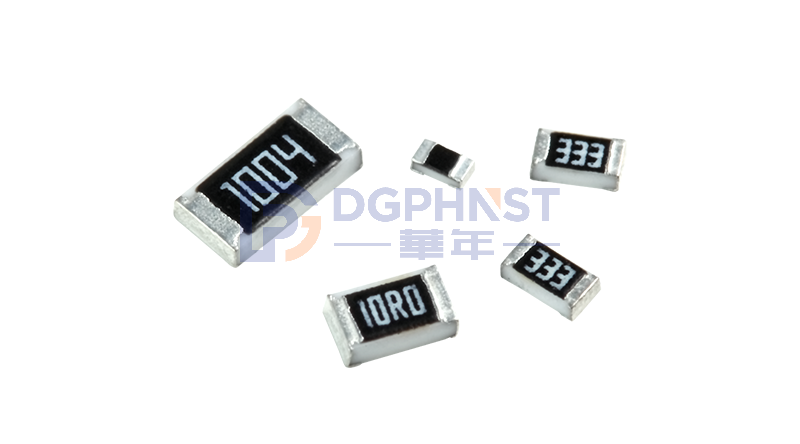
Can high-power resistors replace thick film resistors? To answer this question, we cannot simply give a "yes" or "no" conclusion, but need to have a deep understanding of the core characteristics and application scenarios of these two types of resistors.
Many engineers will consider whether high-precision thin film resistors can replace thick film resistors. In fact, this question cannot be simply answered with "yes" or "no", but requires a comprehensive analysis based on specific application scenarios, performance requirements, and cost factors.
Can metal film resistors replace thick film resistors? The answer to this question is not simply 'yes' or' no ', but depends on the specific application scenario and performance requirements. Understanding the difference between these two resistors is the key to achieving successful replacement.
These two solutions have significant differences in performance, cost, and applicable scenarios, and engineers need to make appropriate choices based on specific application requirements.
The reason why it can become the undisputed "main force" in the electronics field is the result of the combined effects of technology, cost, and market factors. Today we will explore why thick film resistors can occupy such an important position.
Is alloy resistance really better than thick film resistance under the same nominal parameters? The answer is: Yes, alloy resistors are indeed better than thick film resistors in the vast majority of applications that have strict performance requirements.
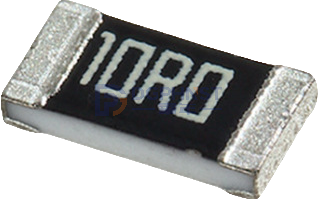
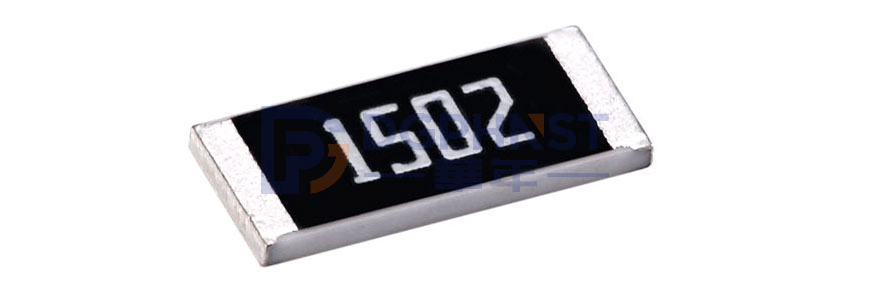
Thick film resistors are electronic components made by depositing resistive materials on an insulating substrate through screen printing and then high-temperature sintering. Compared with thin film resistors, thick film resistors use thicker resistance layers (usually up to 100 μ m), which gives them unique advantages in power handling, cost control, and environmental adaptability.
resistors are one of the most fundamental and universal components, and their performance and reliability are directly related to the stable operation of the entire circuit system. Among various resistance technologies, thick film resistors dominate the market due to their unique manufacturing process and excellent comprehensive performance.
Viking thick film resistors occupy an important position in the electronic components market due to their high precision, good temperature stability, and wide range of applications. Its thick film resistor series has the core advantages of high resistance value, high temperature resistance, corrosion resistance, etc., and is widely used in fields such as power, industrial control, and automotive electronics. The following is an analysis of the core series and technical characteristics of Guangjie thick film resistors:
As a leading global supplier of passive components, TA-I's thick film resistor product line is widely used in consumer electronics, industrial control, automotive electronics, and other fields due to its core advantages of high precision, high power, and strong environmental adaptability. The following is a systematic review of the thick film resistor product matrix from four dimensions: series classification, technical characteristics, application scenarios, and selection guidelines.