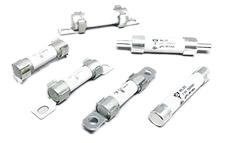
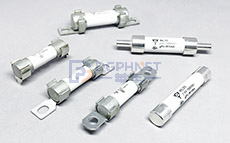
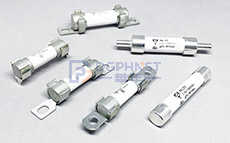
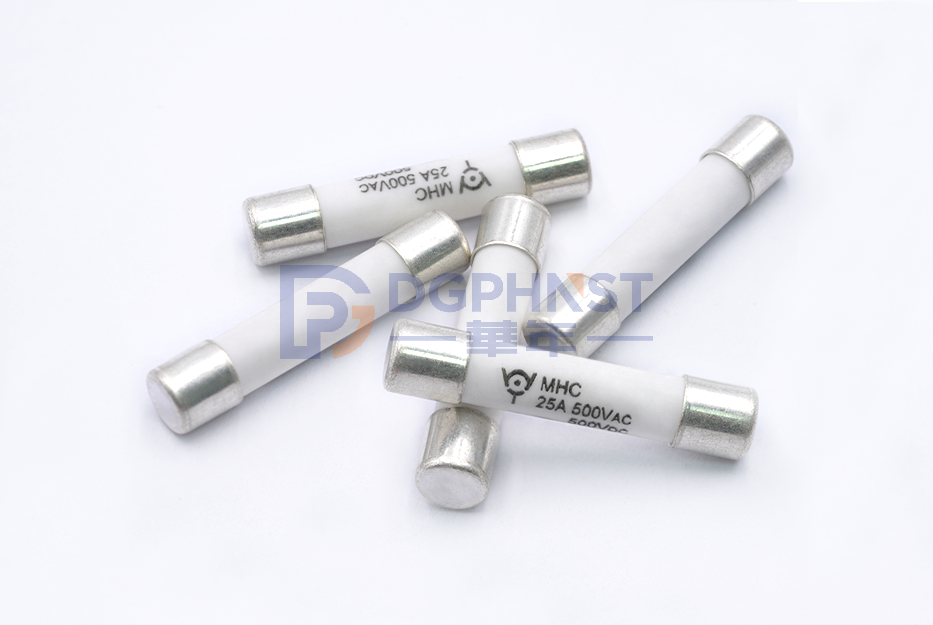
The common fuses in the market are mainly divided into two categories: self recovery fuses and disposable fuses. Choosing the appropriate fuse is crucial for ensuring system safety and reliability. This article will provide a detailed introduction to the characteristics of these two types of fuses and offer practical selection recommendations to help you make informed decisions in your project.
Are self recovery fuses and disposable fuses the same thing? Actually, they are not the same. Although both are used for overcurrent protection, there are significant differences in their working principles and applications.
Common types of fuses include self-healing fuses and disposable fuses, which have essential differences in their working principles, usage methods, and application scenarios. Understanding these differences can help select appropriate fuses based on actual needs, improving circuit safety and reliability.
The standards developed by the International Electrotechnical Commission (IEC) are the basis for global fuse safety certification. The IEC 60127 series is a core standard specifically designed for miniature fuses.
In disposable fuses, the higher the I ² T value, the slower the melting speed, rather than the faster. I ² T (Joule integral) is a key parameter for measuring the thermal energy required for a fuse to melt, representing the amount of pulse energy that the fuse can withstand during the melting process.
Simply put, I ² T represents "Joule integral" or "melting heat energy value", which describes the accumulated thermal energy required by a fuse during the melting process. This value is calculated by integrating the square of the current (I ²) with time (T), and can be understood as the minimum thermal threshold required for the fuse to melt.
The higher the I ² T value of the fuse, the better, but it needs to be balanced according to specific application scenarios. The I ² T parameter of the fuse, also known as the melting integral, represents the ability of the fuse to absorb thermal energy in the event of overload or short circuit. Understanding the meaning of fuse I ² T can help make more appropriate choices.
The effectiveness of fuses is often determined by their parameters, with fuse I ² T being a core indicator. So, does the height of I ² T in disposable fuses affect the product? The answer is yes, the difference in fuse I ² T is directly related to the performance and safety of the product.
Faced with a wide array of models available in the market, accurately selecting a suitable chip fuse for one's product is no easy task. Improper selection can lead to false fusing, affecting usage at the very least, and at worst, it can fail to provide effective protection, posing safety hazards. Therefore, it is imperative to systematically consider the following key points when selecting a chip fuse.
Simply put, the core difference between fast break and slow break patch fuses lies in their ability to withstand instantaneous overload currents. This determines that they are each suitable for vastly different circuit scenarios.