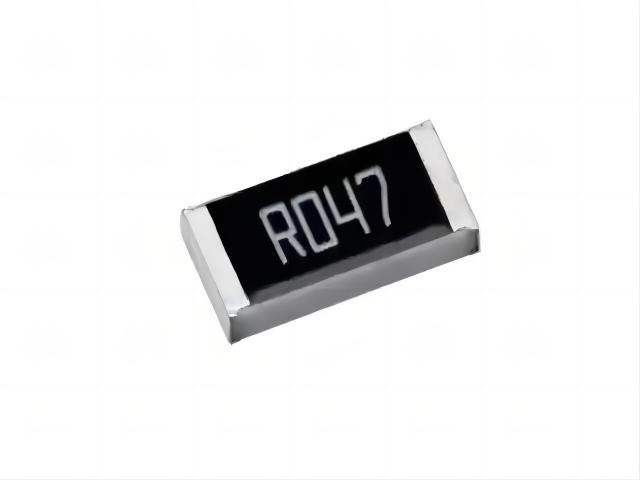
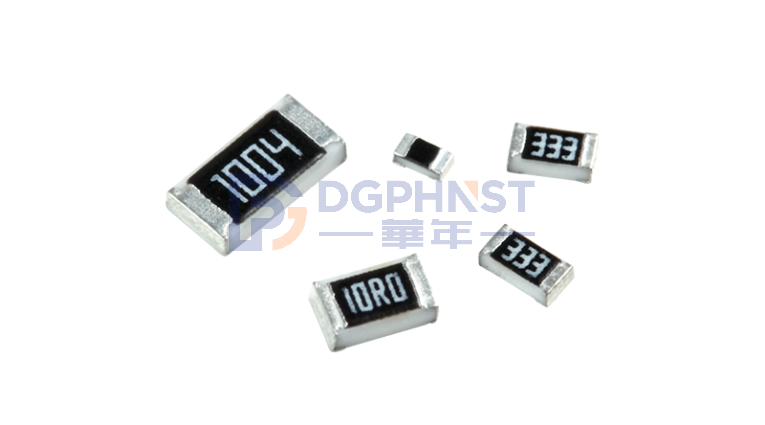
In the selection of electronic components, surface mount metal film resistors have become the core components of precision circuit design due to their high precision, low temperature drift, and excellent stability. Whether it's industrial control, automotive electronics, or medical equipment, choosing the right product line and reliable suppliers directly affects product performance and long-term reliability. Starting from practical applications, this article provides a detailed overview of the core parameters, mainstream brand series, and selection points of surface mount metal film resistors, helping engineers quickly find the optimal solution.

In electronic circuit design, a common problem often arises when selecting resistors with the same precision, packaging, and resistance: which is better, metal film or thick film? The answer is not simply 'yes' or' no ', but depends on your application scenario. If high precision, low temperature drift, and low noise are pursued, then the selection of metal film resistors will indeed tend towards metal films; But if cost is the primary consideration, thick film resistors have significant advantages.
Are there two types of metal film resistors: patch and plug-in? This problem is encountered by almost every hardware engineer when selecting. The answer is yes, metal film resistors do exist in both surface mount and plug-in packaging forms. But this is just the starting point for selection. What truly determines circuit performance is a comprehensive consideration of parameters, series, quality, and brand. Below, from a practical perspective, we will guide you through the selection logic of metal film resistors.
In electronic circuit design, although resistors are the most basic passive components, their selection directly determines the stability, accuracy, and lifespan of the circuit. Metal film resistors have become the preferred choice in precision instruments, automotive electronics, industrial control, and other fields due to their excellent temperature stability, low noise, and high precision characteristics. This article will be expanded from four dimensions: core parameters, series characteristics, quality identification, and brand pattern, to help engineers quickly grasp the key points of selecting metal film resistance parameters.
In the design of precision electronic circuits, metal film resistors always occupy a core position due to their low noise, high stability, and excellent temperature coefficient characteristics. Whether it is industrial control, automotive electronics, or high-end medical equipment, choosing the right metal film resistor manufacturer often determines the final reliability and performance limit of the product. This article provides a detailed selection reference for engineers and procurement personnel from the dimensions of market pattern, product parameters, and application fields.
The core advantage of metal film resistors comes from their manufacturing process. It is formed on a high-purity alumina ceramic substrate by vacuum deposition technology to form a uniform layer of nickel chromium alloy or tantalum nitride film, and then fine tuned by laser spiral to achieve the target resistance value. This structure endows it with three core advantages:
In the design of precision electronic circuits, metal film resistors always occupy an irreplaceable position due to their low noise, high stability, and excellent temperature coefficient characteristics. Whether it is industrial control, automotive electronics, or high-end medical equipment, choosing the right metal film resistor manufacturer often determines the final reliability and performance limit of the product. This article will provide engineers and procurement personnel with a detailed selection reference for metal film resistor manufacturers from the dimensions of market pattern, product parameters, and application fields.
Metal film resistors are widely used in various electronic circuits due to their high precision and good stability. However, various factors can affect its accuracy, including material properties, manufacturing processes, environmental conditions, and usage processes. Metal film resistors are widely used in various electronic circuits due to their high precision and good stability. However, various factors can affect its accuracy, including material properties, manufacturing processes, environmental conditions, and usage processes.
Since its establishment in 1988, Ever Ohms Technology has focused on the research and manufacturing of electronic components. The metal film resistor series adopts vacuum evaporation or sputtering technology to deposit metal thin films such as nickel chromium alloy on ceramic substrates, which has the characteristics of strong stability, low temperature coefficient, low noise, and good high-frequency characteristics.
In the current sampling circuit of the BMS system for new energy vehicles, a Ever Ohms metal film resistor is ensuring long-term accuracy of battery status monitoring with an annual drift rate of less than ± 0.5%.