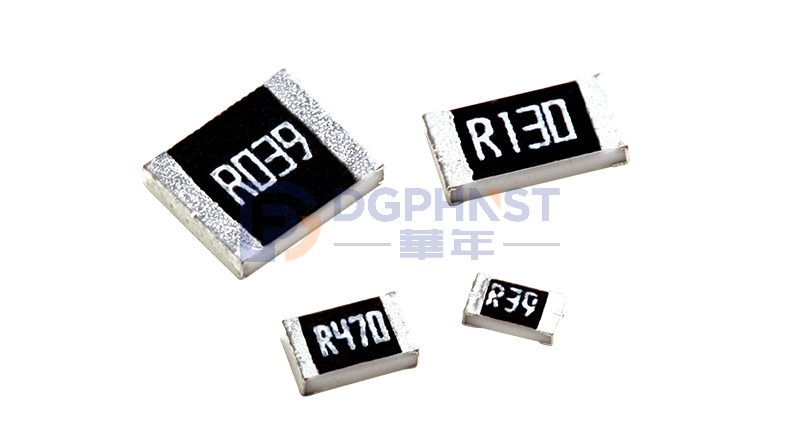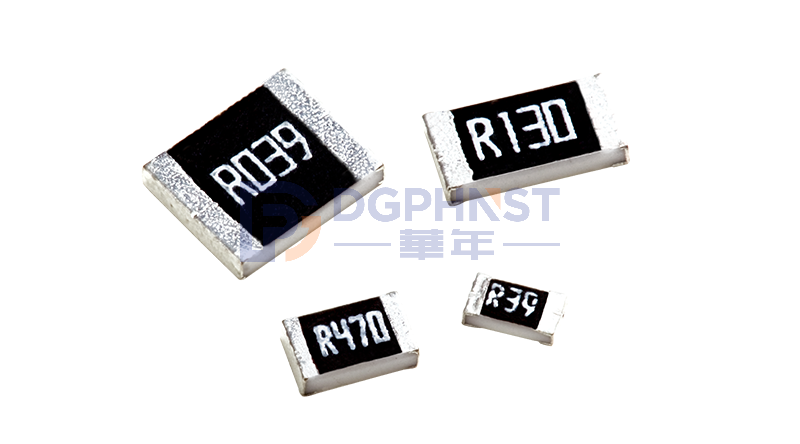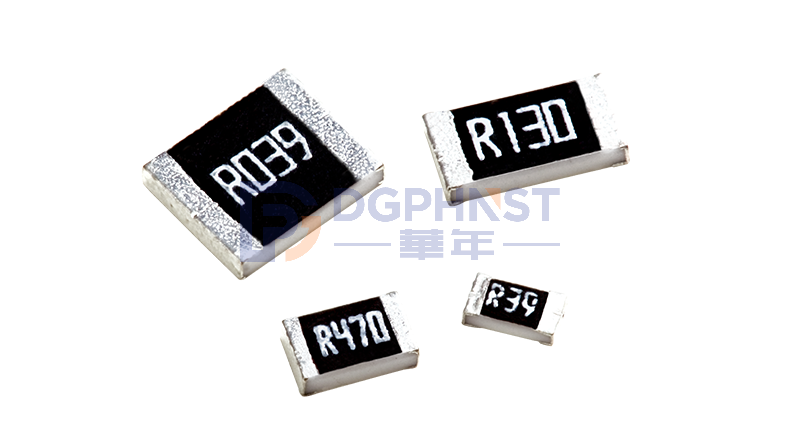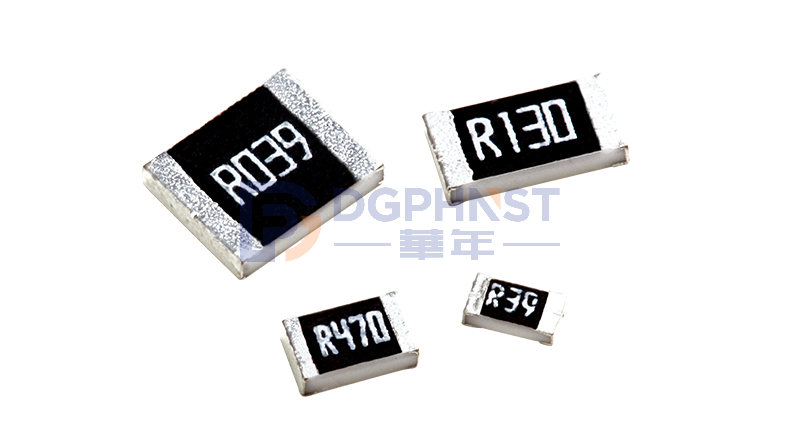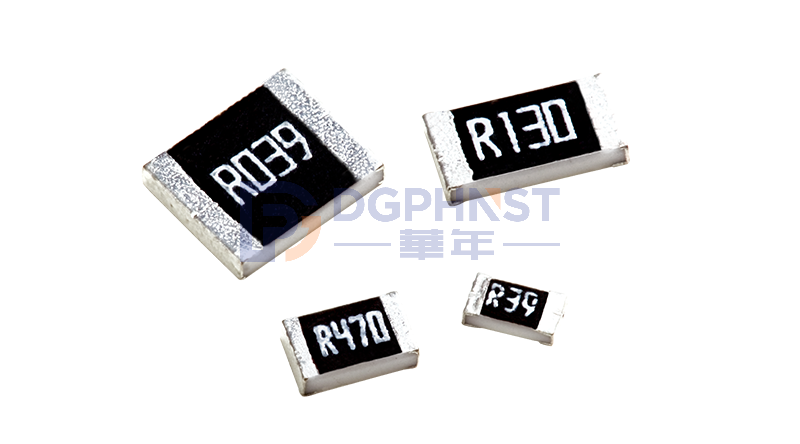
Comprehensive Development Trends of Metal Film Resistors in 2026
With the global electronics industry accelerating toward high precision, high power, and environmentally friendly directions, metal film resistors – as a key product in the passive component domain – are encountering unprecedented growth opportunities. In 2026, the metal film resistor market exhibits multi dimensional transformation characteristics – from breakthroughs in material science to innovations in packaging processes, from comprehensive upgrades in environmental compliance systems to the continuous expansion of downstream applications. Metal film resistors are reshaping the industry landscape through technological innovation, providing more reliable component solutions for automotive electronics, industrial automation, medical instruments, communication base stations and other fields. This article provides a comprehensive analysis of metal film resistor development trends in 2026 from five dimensions: market landscape, environmental compliance, low temperature drift characteristics, high precision performance, and high power technology.
Market Landscape and Sustained Scale Expansion
The global precision resistor market reached USD 5.14 billion in 2025 and is projected to grow to USD 8.46 billion by 2034, with a compound annual growth rate of approximately 5.70%. As an important sub category of precision resistors, metal film resistors benefit from multiple driving factors including growing demand for high precision measuring instruments, expansion of industrial automation, widespread application of automotive electronics, and increasing demand for medical equipment, resulting in continuously rising market sentiment. Notably, the global resistor market reached USD 10.82 billion in 2025, with strategic segments where metal film resistors reside achieving growth rates of 8% to 14%.
Automotive electronics has become one of the core drivers of metal film resistor demand growth. Traditional fuel powered vehicles use approximately 800 resistors per vehicle, while new energy vehicles require more than 1,500 resistors, with significantly elevated reliability standards. This means metal film resistors play an irreplaceable role in key modules of new energy vehicles such as battery management systems, electronic control units, and on board chargers.
Environmental Compliance: RoHS and REACH Dual Drive
In 2026, the constraints of global environmental regulations on electronic components have further intensified. Metal film resistors must fully comply with both RoHS and REACH compliance systems to successfully enter the EU and major global markets. According to RoHS 2.0 standards, the content of lead (Pb), mercury (Hg), hexavalent chromium (Cr(VI)), PBB, PBDE, and four phthalates in metal film resistors must not exceed 0.1% (1000 ppm), while cadmium (Cd) content must not exceed 0.01% (100 ppm). Compliance is no longer optional – it is a mandatory market entry requirement.
Regarding REACH regulations, the SVHC list has increased to 253 substances in 2026 and continues to be updated. All professional manufacturers of metal film resistors use lead free soldering materials and halogen free environmental materials, manufactured through automated production lines, ensuring that every phase from raw material procurement to finished product shipping meets the strictest environmental standards.
Low Temperature Drift: The Core Technical Guarantee of Accuracy and Stability
The reason metal film resistors play a central role in precision circuits lies in their exceptional low temperature drift characteristic. While carbon film resistors have temperature drift as high as 200 to 500 ppm/℃, metal film resistors can control this indicator within ±50 ppm/℃ – only one fourth to one tenth of the former.
Precision grade metal film resistors can achieve temperature coefficients as low as ±15 ppm/℃, with some ultra precision series reaching ±5 ppm/℃. This superior low temperature drift performance stems from the synergy of four core technical aspects:
First, precise alloy composition. The core conductive material of metal film resistors typically uses Ni Cr series alloys. By precisely adjusting the ratios of elements such as chromium, iron, and manganese, the temperature sensitivity of the resistivity can be effectively reduced – this is the first threshold for low temperature drift performance.
Second, vacuum sputtering thin film process. Using physical vapor deposition or chemical vapor deposition technology, nanometer thick metal alloy films are deposited on alumina ceramic substrates, achieving precision tolerances of 0.1% to 1%.
Third, precision heat treatment to release internal stress. Gradient heating vacuum heat treatment fully releases residual stress and lattice defects generated during manufacturing, significantly improving long term stability.
Fourth, packaging design with coordinated thermal expansion coefficients. The use of alumina ceramic substrates achieves highly matched thermal expansion coefficients between the metal film layer and the substrate body, effectively avoiding film cracking or resistance mutation caused by thermal stress.
High Precision: Breakthrough to 0.01% Accuracy
On the precision front, the progress of metal film resistors is equally remarkable. Standard metal film resistors have precision grades covering ±1%, ±0.5%, ±0.25%, and ±0.1%, while precision grade products can achieve accuracy of ±0.01% with temperature coefficients as low as ±5 ppm/℃. This precision relies on two key technologies: high accuracy laser trimming technology and ultra uniform thin film deposition processes.
With point by point precision trimming of thin film resistors using proprietary laser micro adjustment technology, metal film resistors can achieve resistance error control at the parts per million level.
For application scenarios requiring ±0.1% or ±0.05% accuracy, precision metal film resistors are generally sufficient and offer the best cost effectiveness. This value for money advantage makes metal film resistors increasingly widely applied in fields such as instrumentation, medical equipment, communication base stations, and automotive electronics.
High Power: Breakthrough in Power Density with Aluminum Nitride Substrates
In traditional understanding, high precision and high power seemed to be conflicting requirements – high precision metal film resistors often had limited power capacity, while high power resistors struggled with accuracy and temperature drift control. However, 2026 sees this situation being completely rewritten.
The RNAN series of resistors introduced by Stackpole Electronics achieves significantly improved thermal conductivity by using aluminum nitride substrates instead of traditional alumina substrates. Aluminum nitride substrates more efficiently dissipate heat and reduce hot spot temperatures during operation, thereby enabling higher power levels while maintaining the high precision, low temperature drift, and long term stability inherent to nickel chromium thin film resistor technology.
2026 Metal Film Resistor Selection Guide
For metal film resistor selection planning in 2026, comprehensive evaluation is recommended from the following key dimensions:
Environmental Compliance Verification – Ensure products provide complete RoHS and REACH test reports meeting the latest 2026 regulatory requirements.
Accuracy and Temperature Drift Matching – Choose appropriate precision grades according to application scenarios to avoid cost redundancy from over design.
Power Capacity Assessment – Prioritize product series utilizing new substrate technologies such as aluminum nitride.
Supplier Reliability – Select compliant manufacturers with complete system certifications.
Conclusion
The metal film resistor industry in 2026 stands at the intersection of technological transformation and market expansion. From material innovation to packaging upgrades, from environmental compliance to performance breakthroughs, metal film resistors are responding comprehensively to downstream applications‘ stringent requirements for passive components with lower temperature drift, higher precision, stronger power handling capability, and more complete environmental compliance characteristics. Against the macro backdrop of automotive electronics intelligence, industrial automation upgrading, medical equipment precision advancement, and accelerated new energy technology deployment, metal film resistors – as guardians of accuracy and stability – will see their strategic value increasingly highlighted. Steady and sustained growth in market size is expected, providing a solid and reliable component foundation for the development of the electronics industry.