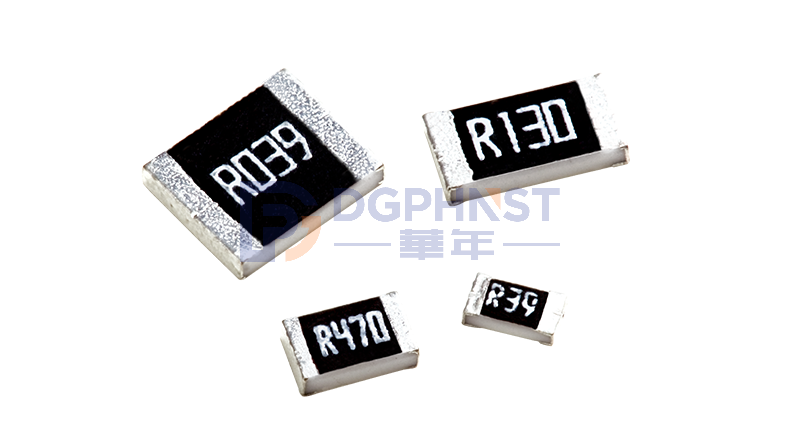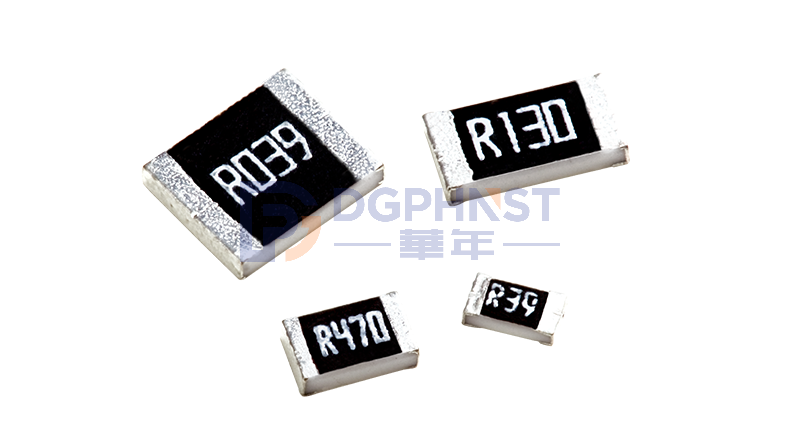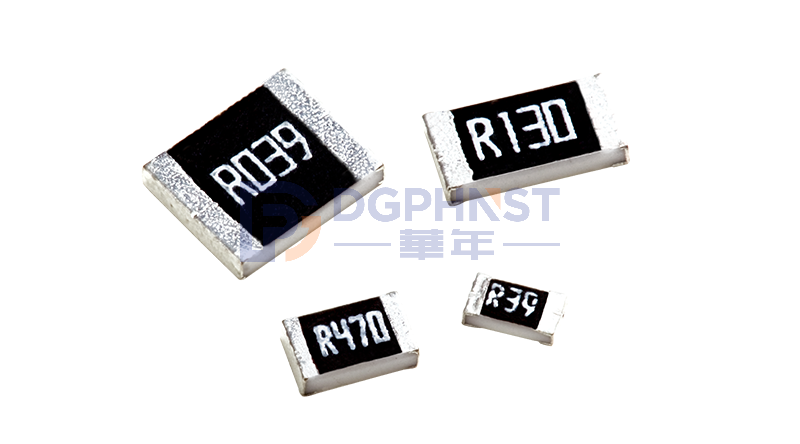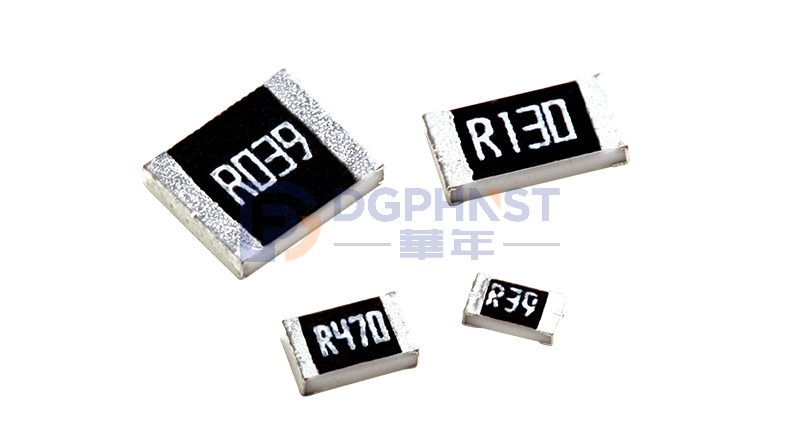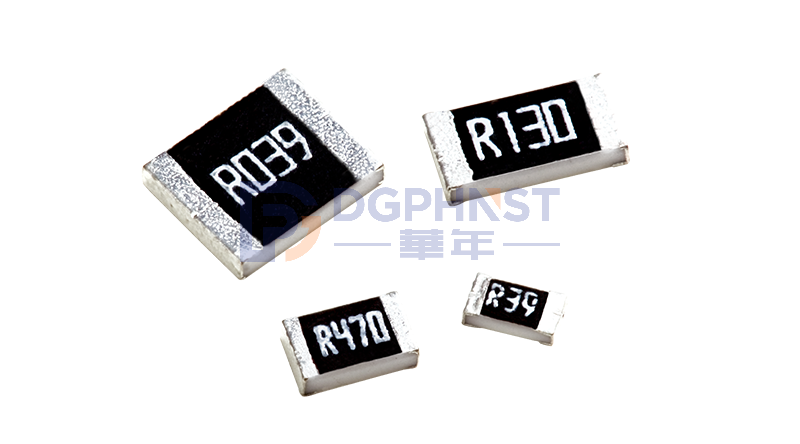
Electronic engineers often fall into a misconception when selecting resistors: they always think that the larger the power of the resistor, the better, and the larger the resistor, the more "durable" it is. This idea may seem safe, but in reality, it is not entirely correct.
Resistance power: sufficient is good, blindly seeking large is not advisable
Resistance power refers to the maximum power that a resistor can withstand under normal operating conditions, measured in watts (W). It plays the role of a "water pipe" in the circuit, and if the current is too strong (power overload), the resistor will "burn out". But this does not mean that choosing a 'big water pipe' means everything is fine.
Why can't we blindly pursue high power?
The cost of volume and cost
The larger the power, the larger the physical size of the resistor is usually. In today's world of pursuing lightweight and compact electronic products, every inch of space on PCB boards is precious. A component with excessive resistance power may disrupt the entire layout and even fail to fit into the casing.
The cost of high-power resistors is often higher. You spent a lot of money and took up valuable space for that unused margin. This is truly not worth the loss.
Sacrifice of performance parameters
High resistance power resistors are often inferior to low-power resistors in certain key indicators. For example, high-power wire wound resistors cannot be used in high-frequency circuits because their inductance can seriously affect the signal. In precision operational amplifiers or ADC sampling circuits, what you need is high-precision, low-temperature drift resistors, which usually have low resistance power. Blindly selecting larger ones will actually lead to a decrease in circuit performance.
The trap of specification matching
Many people think that 'buy big instead of small', but in reality, the rated voltage of resistors is also limited. If you are in a high voltage but microcurrent scenario, the calculated resistance power is very small, but you choose a small volume resistor, it may break down due to insufficient withstand voltage. At this point, what you need is specialized high-voltage resistors, rather than simply pursuing high power.
The Golden Rule of Power Selection
How should I choose? Remember this core principle: reduce usage.
In theory, the actual power consumption of a resistor must be less than its rated value. To ensure reliability, it is usually recommended that the rated power of the resistor should reach 1.5 to 2 times or more the actual power consumption. For example, if the power consumption on the resistor is calculated to be 0.1W, then choosing 0.25W is very suitable. This two-fold margin is sufficient to handle the vast majority of situations.
Special circumstances and recommendations
Of course, in some special application scenarios, such as sampling resistors in power circuits and braking resistors in electric tools, it is indeed necessary to handle instantaneous high current or high-energy shocks. At this point, ordinary resistors are not capable and specialized alloy resistors or high-power wound resistors need to be selected.
If you feel unsure when selecting or need to find samples of specific specifications, you can contact Shenzhen Shunhai Technology Co., Ltd. They are professional electronic component agents who can provide professional selection support.
In addition, platforms like Huanian Mall also provide convenient screening tools, allowing you to quickly identify target models and view real-time inventory based on resistance, accuracy, and resistance power.
Conclusion
So, the greater the resistance power, the better. Appropriate is the best. Choosing too big wastes money and space, choosing too small is easy to burn. Accurately controlling the parameter of resistor power is the embodiment of the engineer's rigorous attitude.