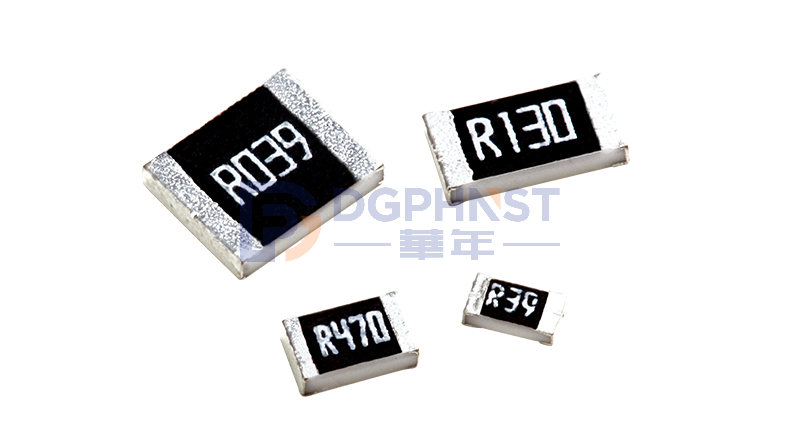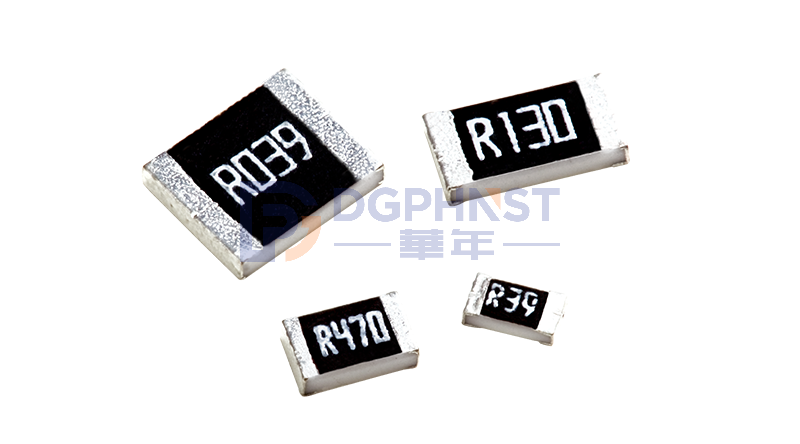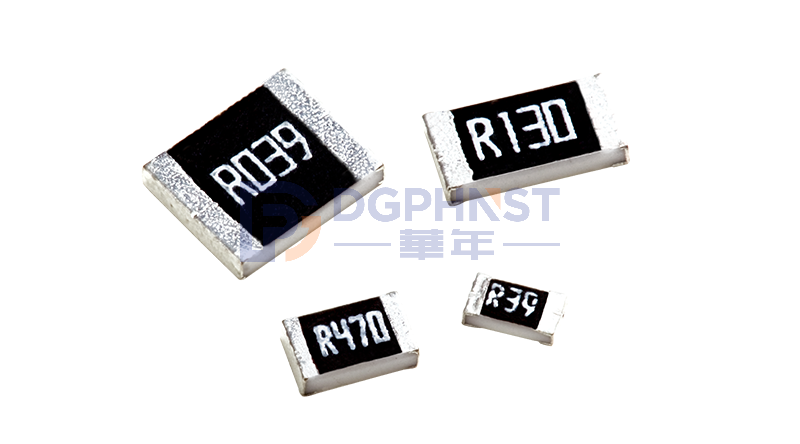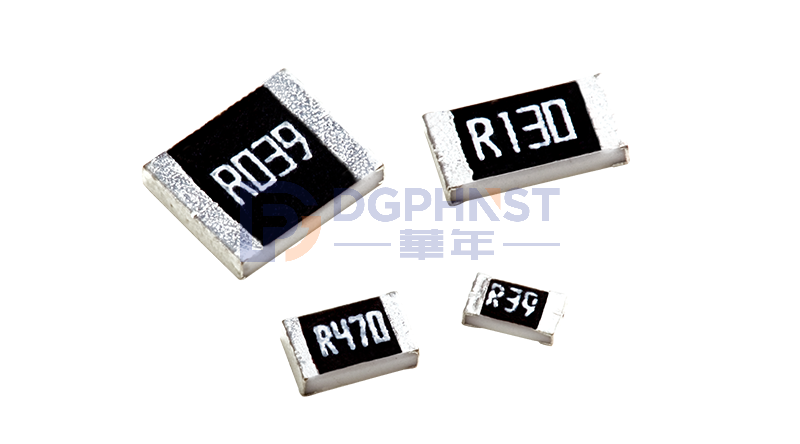
This is a very professional and common question. Manganese copper alloy and nickel copper alloy are both core materials for manufacturing precision alloy resistors, but their characteristics and application fields have significant differences.
Below, we will make a detailed comparison from several key dimensions.
Summary of Core Differences
Manganese copper alloy: Known for its extremely low temperature coefficient of resistance, it is the preferred choice for high-precision and high stability measurements, but its operating temperature range is relatively narrow.
Nickel copper alloy: Known for its high electrical resistivity and high heat resistance, it is an ideal choice for high-power and high-temperature environments, but its temperature coefficient is relatively poor.
In depth analysis and selection guide
Manganese copper alloy
Working principle: The secret of manganese copper lies in the clever balance of its composition. The addition of manganese forms a "compensation effect" in the lattice, which cancels out the trends of increasing resistivity with temperature (due to intensified lattice vibration leading to an increase in resistance) and decreasing resistivity with temperature (due to weakened magnetic scattering leading to a decrease in resistance), thereby achieving a nearly zero temperature coefficient of resistance within a specific temperature range (usually around room temperature).
Core application scenarios:
High precision measuring instruments, such as digital multimeters, precision bridges, standard resistors, etc., require extremely high absolute accuracy for measurement.
Current sampling resistor: In circuits that require precise measurement of current, such as precision power supplies, battery management systems (BMS), high-precision motor drives, etc. Due to its low TC and low thermal electromotive force, it can ensure the accuracy of voltage sampling at different temperatures and environments.
Measurement and calibration standards: serve as resistance benchmarks for laboratories and factories.
In summary, when your application has extreme requirements for accuracy and stability, and the working environment temperature is not high, manganese copper is the preferred choice.
Nickel copper alloy (constantan)
Working principle: The addition of nickel significantly increases the electrical resistivity of the alloy and gives it excellent oxidation and corrosion resistance. This allows it to maintain stable performance at higher temperatures.
Core application scenarios:
High power resistor: Due to its high resistivity, shorter and thicker wires or strips can be used at the same resistance value, allowing it to withstand larger currents and power. Its high temperature resistance also makes it suitable for power applications.
Dynamic braking resistor: When braking motors in frequency converters and servo drives, the resistor needs to quickly consume a large amount of energy and generate high temperatures. Copper is an ideal material.
Current limiting resistor: Used as a safety resistor or current limiting resistor in power input circuits and other places.
Heating element: It is also used in some low-power heating applications.
Ordinary precision current sampling: In cost sensitive and non extremely demanding situations, such as general frequency converters, ordinary power supplies, etc.
In summary, when your application needs to withstand high power, high temperature, or is cost sensitive and can accept a certain compromise on accuracy, nickel copper (constantan) is a more economical and practical choice.
Summary and selectionI hope this detailed comparison can help you clearly understand the difference between the two and make the right selection decision.I hope this detailed comparison can help you clearly understand the difference between the two and make the right selection decision.