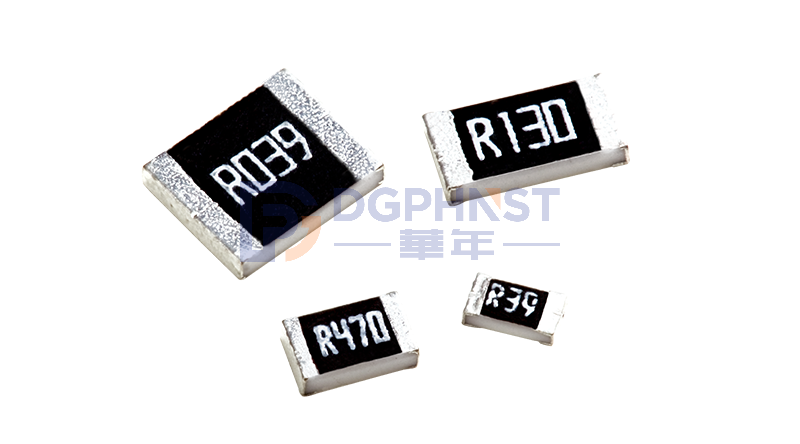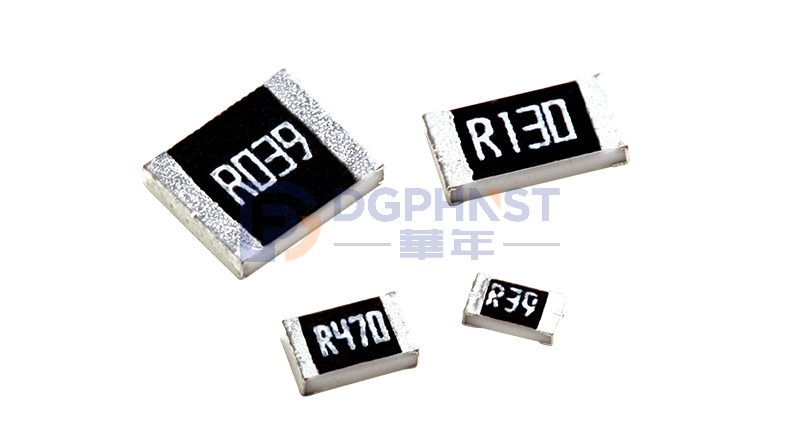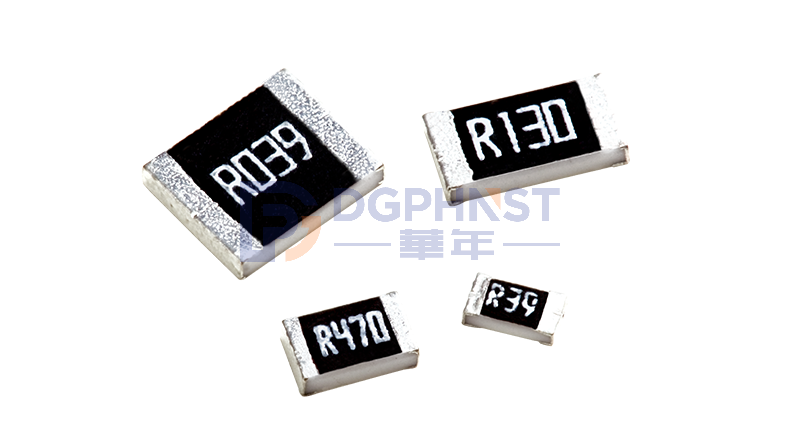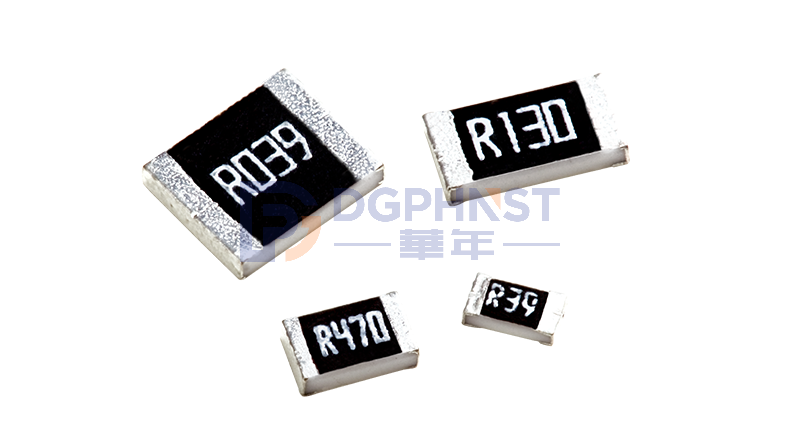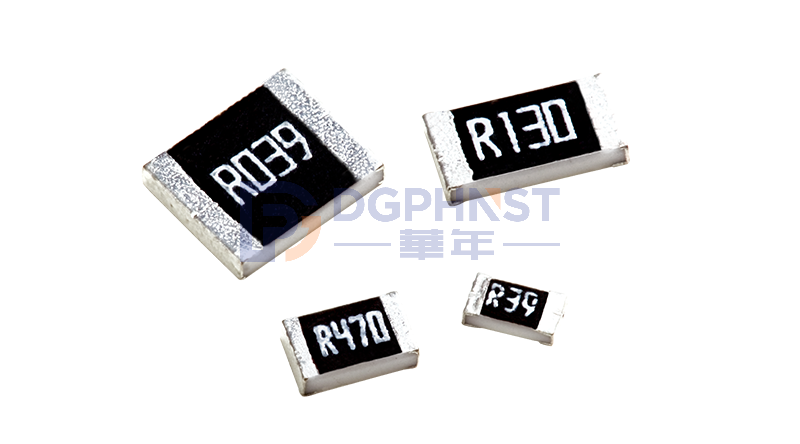
Why is FeCrAI iron chromium aluminum material preferred for high-performance alloy resistor sampling? Deeply analyze its core advantages
In the fields of power electronics, new energy, and industrial control, alloy resistors serve as the core components for current sampling and circuit protection, and their performance directly determines the accuracy, reliability, and lifespan of the entire system. Among numerous resistance alloy materials, FeCrAI (iron chromium aluminum) material has become the preferred choice for mid to high end alloy resistors due to its excellent comprehensive performance. So, what are the tangible benefits of using FeCrAI material? This article will provide you with an in-depth analysis.
1、 High temperature resistance and oxidation resistance: the cornerstone of stability
The most prominent advantage of FeCrAI alloy is its excellent high temperature resistance and oxidation resistance.
High working temperature: Compared with traditional copper manganese alloys or nickel chromium alloys, FeCrAI material can maintain stable operation at higher temperatures. Its maximum continuous operating temperature can reach 1400 ° C, which enables it to withstand the enormous heat generated by alloy resistors during instantaneous overload or continuous high current operation.
Self healing oxide film: In high temperature environments, a dense, strong, and self-healing Al ₂ O3 (aluminum oxide) protective film is formed on the surface of FeCrAI. This film can effectively prevent the internal alloy matrix from being further oxidized, thus greatly improving the aging resistance and long-term stability of the resistance. This means that using FeCrAI alloy resistors has an extremely low drift rate in resistance during high-temperature life testing, ensuring long-term accuracy of measurements.
2、 High resistivity and low TCR: assurance of accuracy and stability
As a sampling resistor, the precision and stability of the resistance value are the core requirements.
High resistivity: FeCrAI material itself has a high resistivity, which means that alloy resistor manufacturers can use shorter and thicker alloy materials to achieve the target resistance value under the same resistance requirements. This not only enhances the mechanical strength of the resistor, but also enables it to withstand higher pulse power, improving the robustness of the product.
Low Temperature Coefficient (TCR): TCR is an important indicator for measuring the change in resistance value with temperature. FeCrAI alloys can achieve very low TCR (up to ± 20 ppm/℃ or even lower) through precise composition ratios and heat treatment processes. This is crucial for alloy resistors used in wide temperature range applications, as it ensures that the sampled values on the circuit board remain consistent regardless of whether it is in cold winter or hot summer, avoiding system control errors caused by temperature changes.
3、 Excellent long-term stability and lifespan
Thanks to its strong oxidation resistance, the FeCrAI alloy resistor has a very small resistance change rate (Δ R) after long-term electrical operation. In the rigorous testing of high temperature and high load, its resistance stability is far superior to other materials. This characteristic is crucial for ensuring reliable operation throughout the lifecycle of industrial equipment, new energy vehicle electronic control systems, photovoltaic inverters, and other application scenarios that require year-round uninterrupted operation.
4、 Excellent power load capacity
Due to the ability of FeCrAI alloy to withstand extremely high temperatures without failure, alloy resistors made from it can be designed to be more compact and achieve higher power ratings per unit volume. Simply put, it means' small stature, high power '. This is very in line with the development trend of high power density in modern electronic devices, helping engineers achieve efficient and reliable current sampling in limited space.
5、 Cost advantage of high cost-effectiveness
Although FeCrAI alloy contains elements such as aluminum, its basic elements iron and chromium are abundant in reserves, and the cost is relatively controllable. Combined with its superior performance compared to other alloys, FeCrAI alloy resistors provide an extremely high "cost performance" ratio, making them an ideal choice for mid to high end application scenarios that require both performance and cost control considerations.
summary
In summary, choosing FeCrAI (iron chromium aluminum) as the sampling material for alloy resistors is not accidental. It is the culmination of various excellent characteristics such as high temperature resistance, oxidation resistance, high stability, low TCR, and high power. In modern power electronics applications that pursue high efficiency, high reliability, and long lifespan, the use of FeCrAI alloy resistors undoubtedly provides a solid and reliable "cornerstone" for your circuit design, and is the intelligent choice for engineers to achieve precise control and safety protection.