Why is Kama material commonly used for alloy resistors above 200mR?
>In the world of precision electronics, an alloy material called Kama is quietly controlling the lifeline of the high-end resistor market.
In the field of electronic components, the selection of alloy resistors is crucial for device performance. Especially in applications with medium to high resistance values above 200mR (0.2 Ω), Kama alloy (also known as 6J22) has become the undisputed preferred material due to its unique physical properties.
When circuit design engineers need to achieve high resistance values in a limited space, Kama material provides an ideal solution. So, what makes this alloy dominant in the field of alloy resistors?
Design Challenge of 01 High Resistance Resistors
With the development of electronic devices towards miniaturization and high density, resistance designers are facing a severe challenge: how to achieve high resistance values in a limited space while ensuring stability and reliability.
For alloy resistors above 200mR, traditional manganese copper materials are no longer able to meet the requirements, as their resistivity is only about 0.47 μ Ω· m. To achieve the same resistance value, longer materials or narrower cross-sectional areas are needed.
This directly leads to an increase in resistance volume or a decrease in stability.
The temperature coefficient of resistance (TCR) of the material becomes another key consideration factor. TCR determines the sensitivity of resistance values to temperature changes, and for precision measuring instruments and meters, unstable resistance means an increase in measurement errors.
In harsh environmental applications such as automotive electronics and industrial control, resistors also need to face the test of wide temperature working environments.
Physical properties of 02 Kama alloy
Kama alloy (6J22) is a precision resistance alloy mainly composed of nickel, chromium, aluminum, and iron. Its chemical composition is carefully proportioned, and the content of each element is controlled within a precise range.
In terms of chemical composition, Kama alloy contains 19% 21% chromium, 2.5% 3.2% aluminum, 2% 3% iron, and the rest is nickel.
This special combination of components endows Kama alloy with excellent resistance characteristics. The addition of aluminum enhances the alloy's oxidation resistance, while chromium enhances its corrosion resistance. The nickel matrix ensures the overall stability of the material.
In terms of physical parameters, the density of Kama alloy is about 8.18.3 g/cm ³, and the resistivity is as high as 1.33 ± 0.07 μ Ω· m, which is about three times higher than traditional manganese copper.
This characteristic makes it particularly suitable for manufacturing medium to high resistance resistors.
Why is Kama alloy the ideal choice for resistors above 200mR
Advantages of high resistivity
The resistivity of Kama alloy is as high as 1.33 μ Ω· m, far exceeding that of manganese copper alloy (about 0.47 μ Ω· m). For alloy resistors above 200mR, this means that Kama alloy can use shorter or thicker resistors at the same resistance value.
The direct benefit of high resistivity is the reduction in resistor volume, which caters to the trend of miniaturization of electronic components today. Meanwhile, a thicker cross-section of the resistor also means better power tolerance and lower noise.
Excellent temperature characteristics
Kama alloy has an extremely low temperature coefficient of resistance (α), only ± 20 × 10 ⁻⁶/℃. This feature ensures the stability of the resistance value in temperature changing environments, maintaining a stable resistance value over a wide temperature range (50 ℃ to 300 ℃).
For electronic devices operating in environments with large temperature fluctuations such as automotive electronics and industrial equipment, this low temperature coefficient is crucial as it can significantly reduce measurement or control errors caused by temperature fluctuations.
Long term stability and antioxidant activity
Kama alloy belongs to precipitation hardening nickel chromium aluminum iron alloy, and its special structure ensures the long-term stability of resistance value. This alloy is capable of“
The aluminum and chromium elements in the alloy form a dense oxide layer, which prevents further oxidation of the internal materials and maintains good oxidation resistance even in high temperature environments.
Low thermoelectric potential of copper
The thermoelectric potential of Kama alloy on copper is extremely low, only ≤ 2.5 μ V/℃. This characteristic is particularly important in precision measurement applications, as it can reduce parasitic thermoelectric effects caused by contact between different materials and improve measurement accuracy.
Application scenarios of 04 Kama alloy resistors
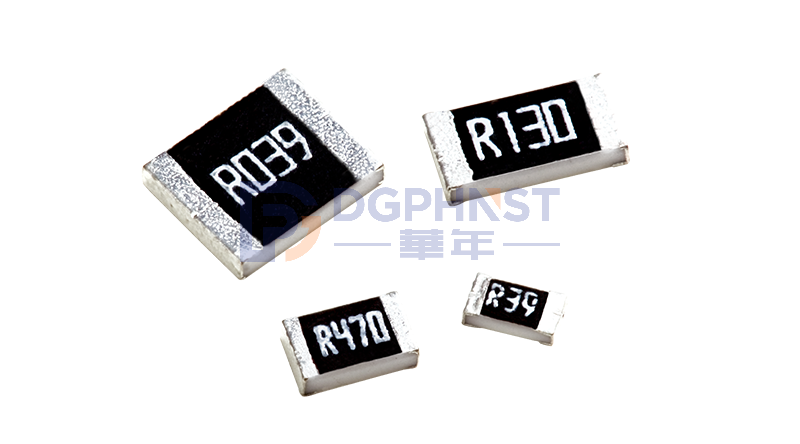
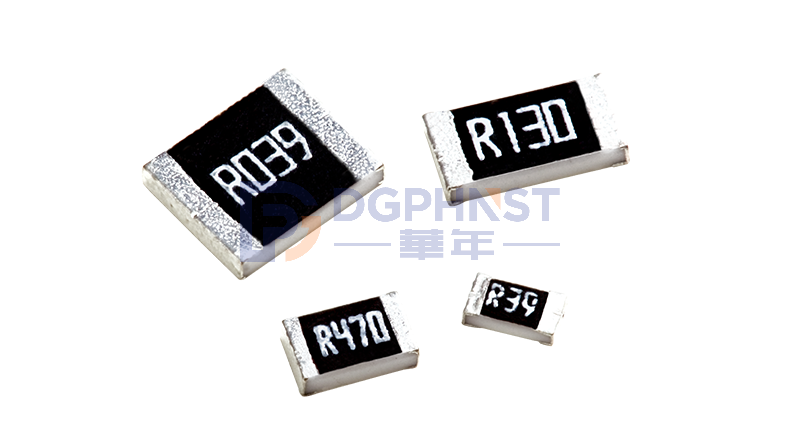
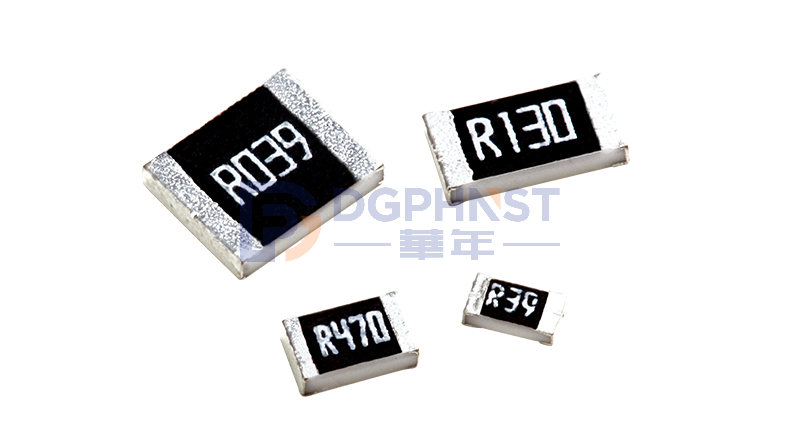
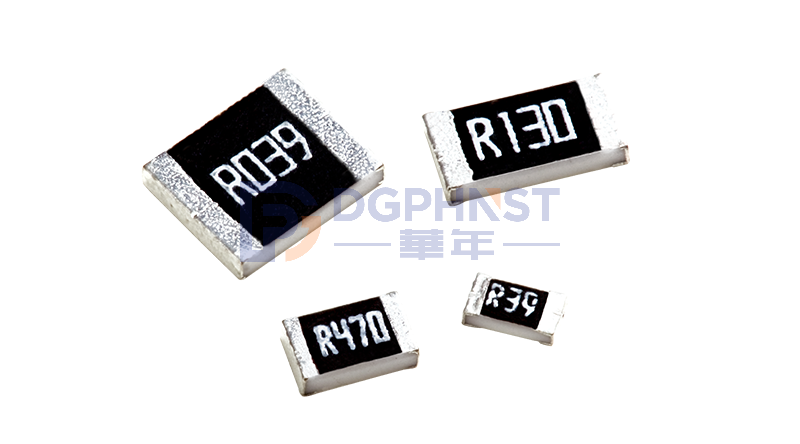
Kama alloy resistors are widely used in various precision instruments and equipment. Kama alloy is one of the key materials for manufacturing precision micro high resistance components in digital instruments and meters.
In the BMS system (battery management system) of new energy vehicles, high resistance alloy resistors need to meet the requirements of high precision, temperature stability, and miniaturization at the same time, making Kama alloy an ideal choice.
The precision resistance components in various measuring instruments and meters also widely use Karma materials, especially in application scenarios that require stable resistance over a wide temperature range.
Performance comparison between 05 Kama alloy and other resistance materials
Compared with traditional resistance alloys such as manganese copper and constantan, Kama alloy has significant advantages in electrical resistivity. The resistivity of manganese copper is only 0.47 μ Ω· m, while that of Kama alloy is as high as 1.33 μ Ω· m, almost three times that of manganese copper.
Even the new copper manganese tin alloy (CuMn7Sn) has a resistivity of only 0.29 ± 0.03 Ω· m, far lower than that of the Kama alloy.
In terms of temperature characteristics, the temperature coefficient of Kama alloy and the latest NiCr30Al (Kama alloy) can reach ± 5ppm/℃, which is comparable to the TCR ± 5ppm/℃ of high-precision manganese copper (6J13), but the resistivity of Kama alloy is much higher.
This performance combination has made Kama alloy occupy an irreplaceable position in the alloy resistance market above 200mR.
06 Future Development Trends
With the continuous development of electronic technology, the performance requirements for alloy resistors are increasingly increasing. Kama alloy, as a mature material, is still constantly optimizing and improving its properties.
The development of new composite alloy materials, such as copper manganese tin alloy (Cu7Mn0.5Sn), attempts to surpass Kama alloy in specific properties, but Kama alloy still has significant advantages in comprehensive performance.
New materials such as high entropy alloys may be the future direction of development, but their maturity and cost-effectiveness cannot challenge the dominant position of Kama alloy in the alloy resistance market above 200mR.
The importance of Kama alloy in the field of electronic components is self-evident. With the advancement of technology, we have reason to believe that Kama alloy resistors will continue to play a key role in fields such as electric vehicles, smart homes, and aerospace.
In the future, with the breakthrough of new material technology, we may witness the emergence of more high-performance alloys, but the position of Kama alloy in the history of electronic industry development has been established.