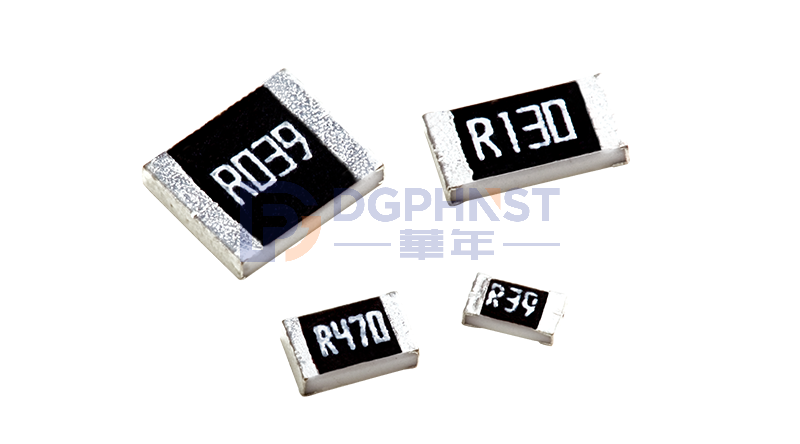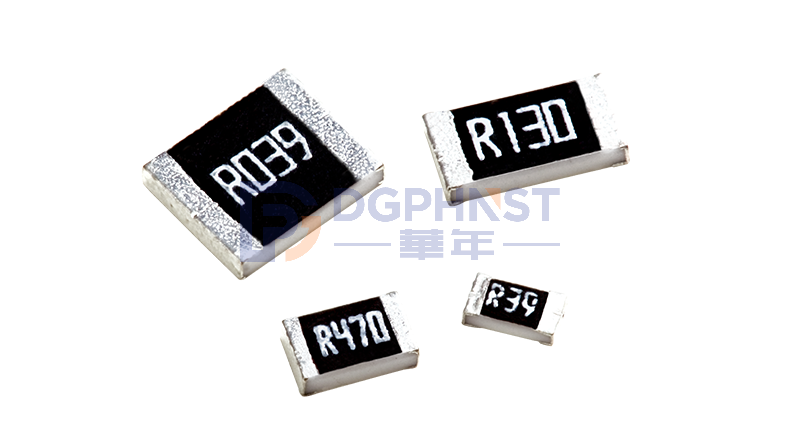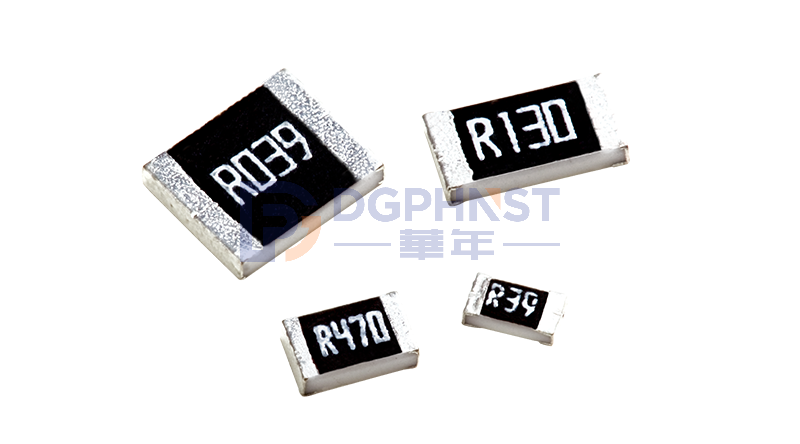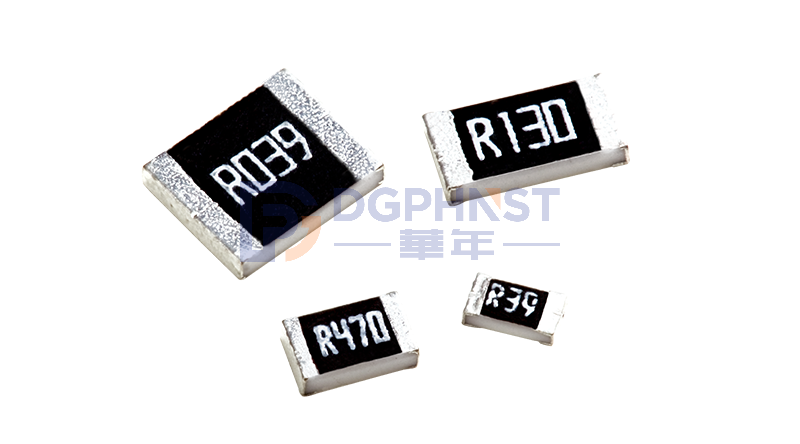
The issue of reduced use of constantan material in alloy resistors is mainly due to material cost constraints, limitations in specific properties, and the emergence of more competitive alternative materials in the market.
In order for you to quickly understand mainstream alternative materials and their characteristics, I have compiled a simple comparison table:
|Material type | Core components | Main advantages | Shortcomings compared to constantan | Typical application scenarios|
|New Kangtong | CuMnAlFe | Low cost (without nickel), equivalent resistivity to Kangtong | Poor oxidation resistance | Cost sensitive civilian resistor|
|Manganese copper series | CuMnNi | Extremely low temperature coefficient of resistance, small thermoelectric potential for copper | Low resistivity, narrow temperature range for use | High precision measuring instrument, standard resistance|
|Thick film/thin film resistors | Metal oxide pastes, etc. | Easily achieve high resistance values with significant cost advantages (in high resistance scenarios) | May not be as good as alloy resistors in low resistance and high-power scenarios | High resistance requirements, such as signal conditioning and voltage divider circuits|
The underlying reasons for the reduction in the use of copper in Kangtong
In addition to the competition for alternative materials mentioned above, some characteristics of Kangtong itself also limit its development in the current market:
High cost pressure: Copper contains approximately 40% nickel. As an important strategic metal, nickel has a high and volatile price, which directly drives up the production cost of copper.
Performance limitations
High thermoelectric potential for copper: Copper has a high thermoelectric potential for copper (up to 45 μ V/℃), which introduces measurement errors in high-precision DC circuits and is therefore not suitable for use as a DC standard resistor or precision shunt.
Not suitable for high resistance scenarios: The resistivity of constantan is relatively low compared to thick films and other materials. To achieve high resistance, the alloy wire needs to be made very thin and long, which can lead to difficulties in processing, insufficient mechanical strength, and soaring costs. In these scenarios, thick film resistor technology has an absolute advantage at a cost lower than one tenth or even lower than alloy resistors.
summary
Overall, as a classic resistance alloy, the reduced application of constantan is the result of a combination of market demand and technological development. In its traditional advantageous areas, there are now more cost-effective choices available.
However, this does not mean that Kangtong will be completely eliminated. In some specific situations, such as AC precision resistors, sliding resistors, strain gauges, as well as thermocouples and their compensating wires, constantan still has its application value due to its stable performance.
I hope the above information can help you understand this issue. If you could specify which application area of resistance you are interested in, perhaps I can provide a more detailed analysis.