FeCrAl Iron Chromium Aluminum Alloy Resistors: High Temperature and Efficient Core Components, Advantages Analysis
>In the fields of precision electronics and industrial heating, the choice of materials directly affects the performance and lifespan of components, among which FeCrAl iron chromium aluminum alloy resistance materials are demonstrating their irreplaceable value.
In modern electronic industry and electric heating equipment, alloy resistors are key components whose performance directly determines the stability and efficiency of the entire system. Among numerous resistive materials, FeCrAl alloy has become one of the preferred materials for high-temperature and high-power applications due to its unique performance advantages.
Whether it is the current sampling resistor in precision instruments or the heating element in industrial electric furnaces, FeCrAl alloy can provide excellent stability and durability. This article will delve into the application advantages of FeCrAl iron chromium aluminum alloy in alloy resistors.
01 Understanding FeCrAl Iron Chromium Aluminum Alloy
FeCrAl alloy is an iron chromium aluminum precision resistance alloy formed by adding appropriate amounts of chromium (Cr) and aluminum (Al) to iron (Fe) as the matrix.
Its naming usually follows Chinese national standards or industry norms: F represents "Ferrum", C represents "Chromium", H represents "Aluminum" (sometimes also represented by L), W represents "Precision" or "Resistance", and 2 represents a specific brand in the series.
This alloy material is usually supplied in the form of thin plates, strips, or wires, with a thickness ranging from a few micrometers to a few millimeters. It has the flexibility and plasticity that block materials cannot match, greatly expanding its application range.
The core advantages of 02 FeCrAl alloy resistors
1. High and stable resistance characteristics
FeCrAl alloy has a high electrical resistivity, usually around 1.30 μ Ω· m, and some grades such as 0Cr25Al5 can even reach 1.42 μ Ω· m.
This means that shorter or thicker components can be used under the same resistance requirements, improving the mechanical strength and reliability of the components.
More importantly, its resistance value changes very little with temperature and has excellent stability within the operating temperature range, which is crucial for circuits that require precise control and measurement.
2. Excellent high-temperature oxidation resistance
This is the most proud characteristic of FeCrAl alloy. The chromium (Cr) and aluminum (Al) elements in the alloy can quickly form a dense and highly adhesive Al ₂ O3 (aluminum oxide) protective film on the surface of the material at high temperatures.
This film can effectively prevent further oxidation of the internal iron matrix, thereby endowing the material with an extremely high high-temperature service life. The maximum operating temperature of FeCrAl alloy in air can easily reach over 1300 ℃, and some grades such as 0Cr27AL7Mo2 can even reach 1400 ℃.
3. Excellent economic performance
Compared with nickel chromium electric heating alloys, FeCrAl alloys are more affordable mainly because they do not contain expensive nickel elements.
At the same time, its density is about 1520% lower than nickel chromium alloy, which means that the material cost is further reduced under the same volume. This cost advantage is particularly prominent in large-scale industrial production.
4. Excellent corrosion resistance
FeCrAl alloys exhibit excellent corrosion resistance in sulfur-containing and sulfide atmospheres, which are highly destructive to many metallic materials.
This characteristic gives it an irreplaceable advantage in specific industrial environments such as the glass industry and petrochemical industry.
5. Extremely low temperature coefficient of resistance
The temperature coefficient of resistance (TCR) represents the degree to which the resistance value changes with temperature. The TCR value of FeCrAl alloy is very low, which means that its resistance value remains almost constant at both room temperature and high temperature environments.
This feature is essential for manufacturing high-precision, low drift measuring components such as sampling resistors and splitters.
03 Main application scenarios
Precision resistor components
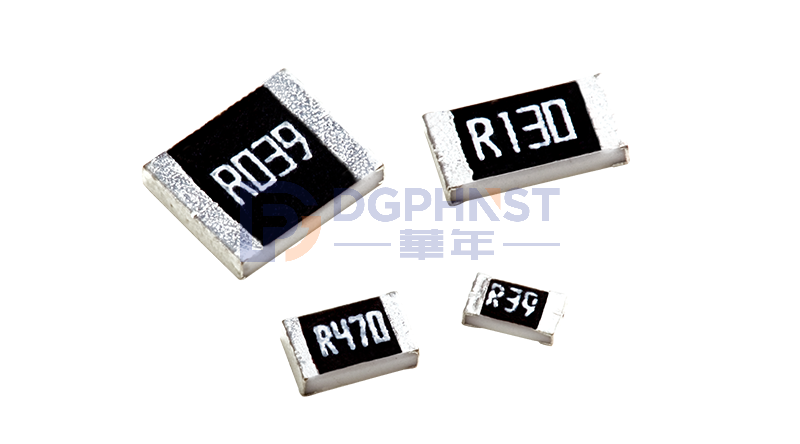
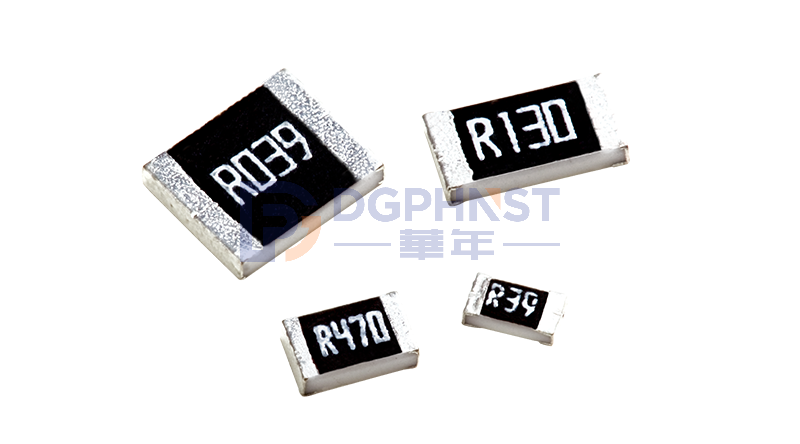
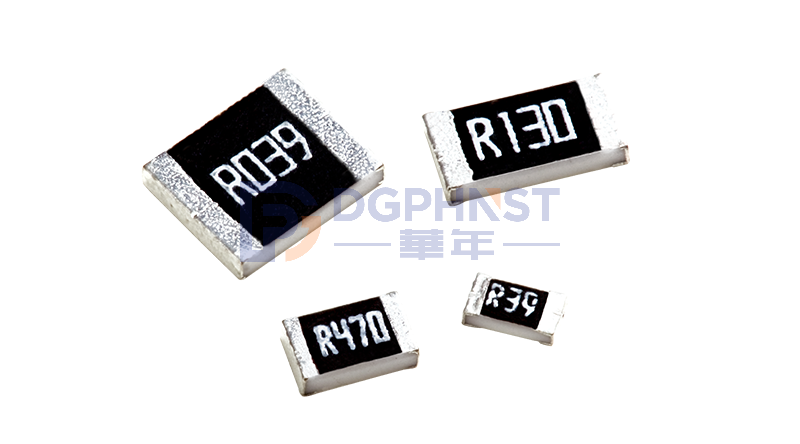
FeCrAl alloy thin plates can be processed into extremely precise planar resistors, grid resistors, or current sensing resistors (splitters) through processes such as photolithography and etching.
This type of alloy resistor is widely used in high-precision testing instruments, medical equipment, and communication base station circuits. In current sampling under high temperature conditions, such as DC side detection of photovoltaic inverters, FeCrAl alloy resistors perform particularly well.
Industrial electric heating field
FeCrAl alloy is an ideal material for manufacturing electric heating elements such as industrial muffle furnaces, tunnel furnaces, and heat treatment equipment. Alloy resistors typically appear in the form of wires, strips, or rods in these applications. Thin plates can be rolled into spiral tubes, wound into corrugated strips, or directly made into strip heaters to provide a large and uniform thermal field.
household appliances
FeCrAl alloy resistors are widely used as heating elements in electric ovens, heaters, and drying equipment. Their fast heating and high-temperature durability characteristics enhance product performance and service life.
Special harsh environment
In environments that require extreme reliability and stability, such as temperature control systems for spacecraft and power modules for military equipment, FeCrAl alloy resistor components are a reliable choice.
At the same time, the specially developed FeCrAl alloy material also plays an important role in resistance welding fields such as automotive, high-speed rail, and aircraft manufacturing.
04 Selection and usage points
Although FeCrAl alloy has excellent resistance performance, the following aspects should still be noted when selecting:
The problem of high temperature brittleness
After high-temperature use, the grain size of FeCrAl alloy will grow, which may cause the material to become brittle to a certain extent. Therefore, severe mechanical impact or deformation should be avoided after high-temperature service.
Consideration of Atmosphere and Environment
Although it has excellent antioxidant properties in air, its service life will be greatly reduced in corrosive atmospheres such as sulfur-containing and chlorine atmospheres or in vacuum (where protective films cannot be formed or repaired), and more suitable materials need to be selected according to the specific environment.
Welding process requirements
The welding of FeCrAl alloy requires specific welding processes and welding materials, and it is best to use argon arc welding for rapid welding to ensure the firmness and stability of the welding point and avoid the formation of brittle phases.
05 Market Prospects and Development Trends
According to market research reports, the iron chromium aluminum alloy wire market is showing a stable growth trend, and its size is expected to increase from 380.47 million US dollars in 2022 to 509.61 million US dollars in 2028, with a compound annual growth rate of 5.0% from 2022 to 2028.
This growth is mainly driven by demand in fields such as electronic devices, aerospace, and industrial furnaces.
In terms of technological advancement, researchers are further improving the mechanical and electrical properties of FeCrAl based resistance alloys by adding alloying elements such as Ti and Si.
These improvements are expected to comprehensively optimize the compressive strength, deformability, resistivity, and resistivity temperature coefficient of alloy resistors.
FeCrAl iron chromium aluminum alloy resistor is not an ordinary metal material, it is a sophisticated engineering crystallization in the field of materials science. It perfectly combines high resistance, low temperature coefficient, excellent high-temperature oxidation resistance, and outstanding processing and molding capabilities.
From precision electronic instruments to hot industrial furnaces, this high-performance alloy resistor material silently plays an irreplaceable role and is an indispensable key foundational material in the development of modern and high-tech industries.
In the future, with the continuous advancement of technology and the expansion of application fields, FeCrAl iron chromium aluminum alloy resistors will undoubtedly demonstrate their value on a broader stage.