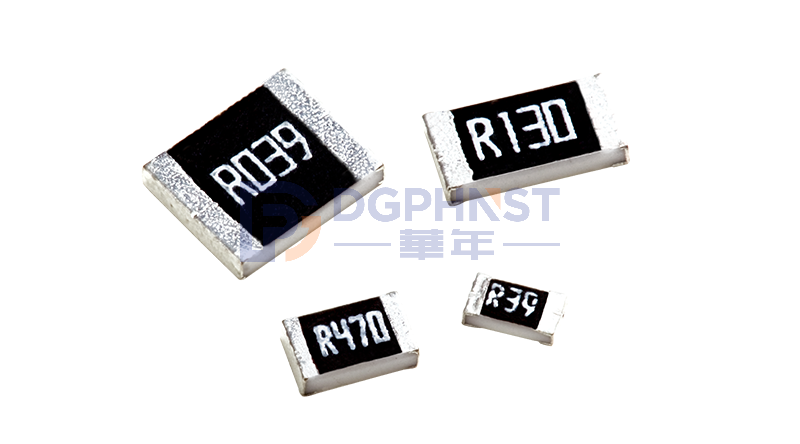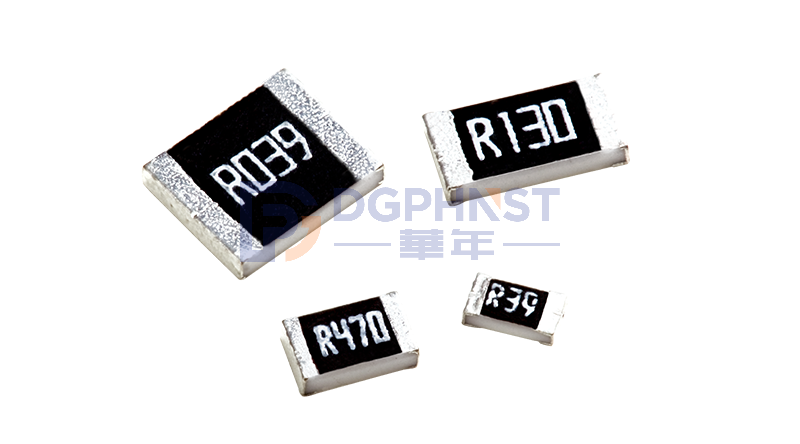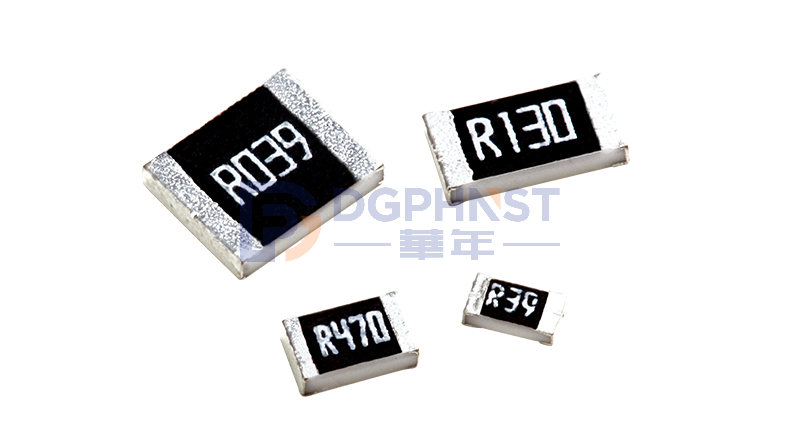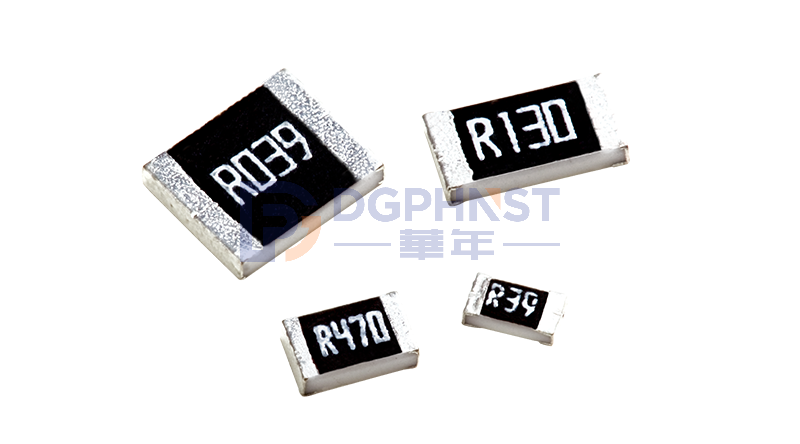
We focused on comparing the resistance of manganese copper alloy and iron chromium aluminum alloy, and ensured the density and logical and readable content of the keyword "alloy resistance".
Manganese copper or iron chromium aluminum? The ultimate guide for selecting alloy resistors, read it without hesitation!
The selection of alloy resistors is crucial in electronic circuit design, especially in high-power and high-precision applications. It is directly related to the stability, efficiency, and cost of the equipment. Faced with numerous alloy resistance materials on the market, engineers often hesitate between "manganese copper" and "iron chromium aluminum". So, what is the difference in alloy resistance between these two mainstream materials? How should we choose? This article will provide you with in-depth analysis to help you make the best decisions.
1、 Core Duel: Manganese Copper Alloy Resistors vs. Iron Chromium Aluminum Alloy Resistors
To make the right choice, we first need to understand the essential characteristics of these two materials.
Manganese copper alloy resistor: high-precision 'gentleman'
Manganese copper, as the name suggests, is an alloy resistance material based on copper and added with elements such as manganese and nickel. It is renowned for its outstanding stability and high precision.
Advantages:
Ultra low temperature coefficient (TCR): This is the biggest advantage of manganese copper. Its resistance value changes very little with temperature, making it very suitable for situations that require high-precision measurement and sampling, such as precision instruments, medical equipment, high-precision current detection circuits, etc.
Long term stability is good: the resistance value changes very little over time, and the performance is reliable.
Good weldability: Excellent connection performance with PCB board.
Disadvantages:
Relatively low temperature resistance: Continuous operating temperature usually does not exceed 200 ℃, and excessive temperature can cause permanent drift in resistance value.
High cost: Due to the high content of copper and nickel, the material cost is usually higher than that of iron chromium aluminum.
Typical applications: high-precision splitters, sensors, instruments, high fidelity audio equipment.
Iron chromium aluminum alloy resistor: a high-power 'tough guy'
Iron chromium aluminum is an alloy resistance material mainly composed of iron and added with chromium and aluminum. It was born to cope with harsh high temperature and high-power environments.
Advantages:
Extremely high maximum working temperature: Its surface temperature resistance can reach over 300 ℃, or even higher, making it very suitable for high-power dissipation applications.
Excellent oxidation resistance and corrosion resistance: more stable in high humidity and corrosive environments.
High cost-effectiveness: The raw material cost is relatively low, making it highly cost-effective in high-power applications.
Disadvantages:
The temperature coefficient (TCR) is relatively high: the resistance value changes more significantly with temperature than manganese copper, and temperature compensation is required in high-precision applications.
Slightly poor weldability: requires special surface treatment or welding processes.
High hardness: Processing and shaping are relatively difficult.
Typical applications: frequency converters, servo drives, power modules, industrial heating equipment, high-power load alloy resistors.
2、 A logically clear selection decision-making process
When faced with a specific alloy resistor selection project, you can follow the following logical steps:
Step 1: Clarify the core requirement - accuracy or power?
If your circuit requires extremely high measurement accuracy for current/voltage, such as in sampling circuits of precision power supplies, testing equipment, or battery management systems (BMS), even slight temperature changes cannot affect readings. So, manganese copper alloy resistors are your top choice. Its low TCR characteristic is the cornerstone of ensuring system accuracy.
If your application scenario is motor drive, variable frequency speed regulation, or power buffering, it requires resistors to consume a large amount of energy and generate significant heat. At this point, high temperature resistance and power endurance are the top priorities. Iron chromium aluminum alloy resistors have become a more economical and reliable choice due to their strong temperature resistance characteristics.
Step 2: Evaluate the work environment and costs
Environmental factors: If the equipment operates in a humid, dusty, or corrosive industrial environment, the antioxidant capacity of iron chromium aluminum is more advantageous.
Cost control: In large-scale production projects that are extremely cost sensitive, especially in high-power fields, the cost advantage of iron chromium aluminum is very obvious.
Summary:
Seeking accuracy and stability, choose manganese copper.
Seeking strength and endurance, choose iron chromium aluminum.
3、 Supplementary information on the material characteristics of "alloy resistors"
When choosing alloy resistors, in addition to the electrical properties mentioned above, the physical properties of the material are also worth paying attention to. For example, the material density of these two alloy resistors is relatively high, which gives them good mechanical strength and heat dissipation ability. The specific density values vary depending on the composition and process, but they all belong to the category of high-density metal alloy resistors, which helps them maintain structural stability when subjected to high currents.
Conclusion
Manganese copper and iron chromium aluminum, as the two mainstream alloy resistance materials, there is no absolute "who is better", only "who is more suitable". Manganese copper alloy resistors are the king in the field of high precision, while iron chromium aluminum alloy resistors are the leader in high-power applications. I hope this in-depth comparison can help you make clear and accurate decisions when selecting alloy resistors next time, and choose the most suitable "heart" for your product!