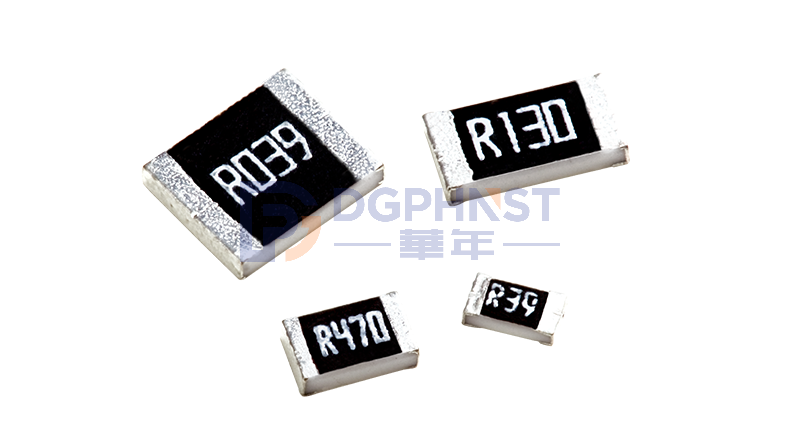
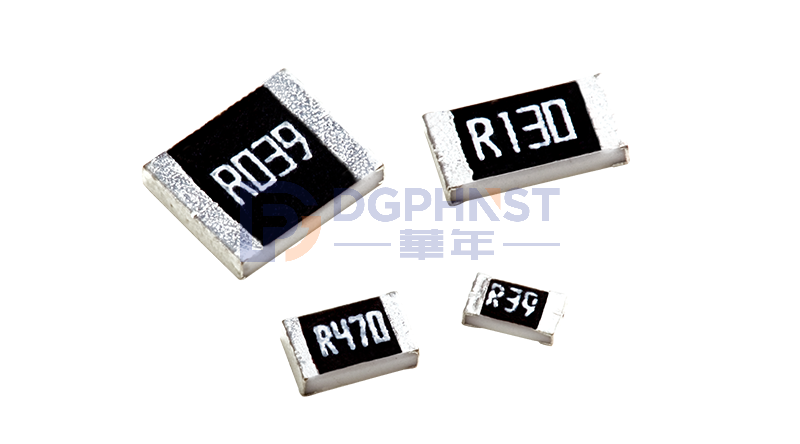
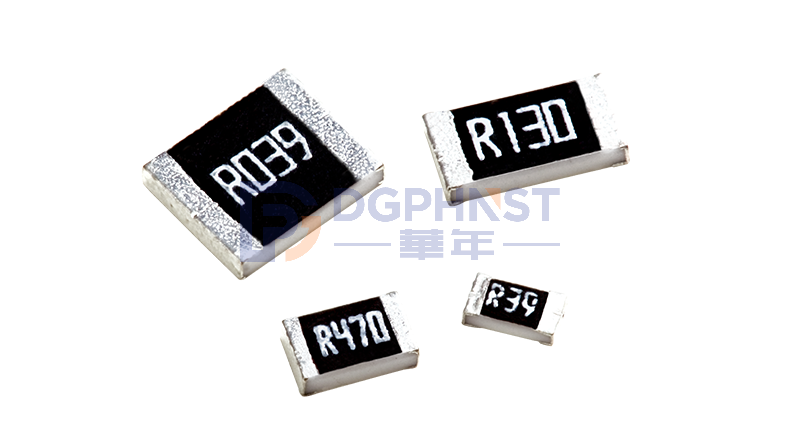
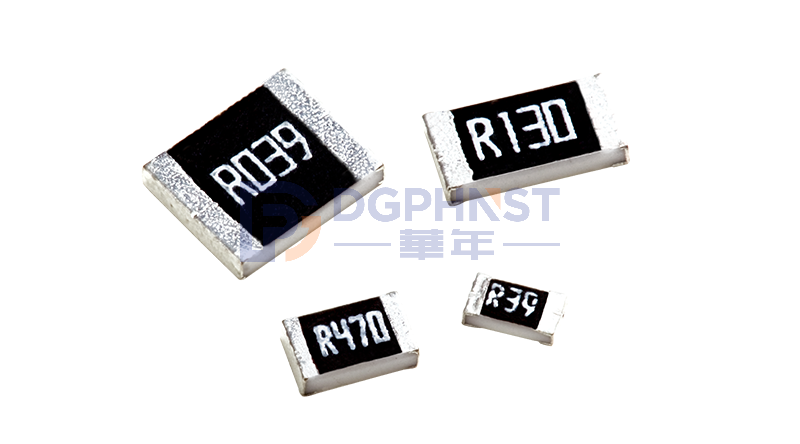
As an indispensable component in circuits, the selection of core materials for alloy resistors directly affects the final performance of the product. When we carefully observe the mainstream alloy resistors on the market, we will find a common phenomenon: most of their resistor materials are based on copper, and copper alloys are formed by adding other metal elements. What are the reasons behind this?
Firstly, we must understand the core mission of alloy resistors: to provide stable and accurate resistance values in harsh environments. Copper itself is an excellent conductor, but by forming alloys with other metals such as manganese, nickel, tin, etc., its resistivity can be significantly increased, allowing it to manufacture resistors with a wider range of resistance values and smaller volumes. This copper based alloy resistor material has found an excellent balance between resistivity and cost.
Secondly, copper alloys have extremely excellent thermal stability. This is the cornerstone of the reliability of alloy resistors. Current fluctuations in circuits can cause temperature changes, and the temperature coefficient of resistance (TCR) of copper alloys can be precisely controlled at a very low level. This means that regardless of whether it is high or low temperature, the resistance change of the alloy resistor is negligible, ensuring the stability and measurement accuracy of the circuit operation.
Furthermore, the low thermal electromotive force characteristics of copper alloys are crucial. When two different metals come into contact, a small thermoelectric potential is generated at the contact point. This tiny voltage can cause serious interference to precision measurement circuits. Copper based alloy resistors have extremely low thermoelectric potential between their pins and the resistor material, effectively avoiding this additional source of error, making them particularly suitable for high-precision instruments and sensing devices.
In addition, copper alloys also have good long-term stability and environmental corrosion resistance. A high-quality alloy resistor needs to maintain its performance over the years and months. Copper alloy materials are resistant to oxidation and sulfurization, with a stable structure that ensures minimal drift in resistance over time and a long lifespan. At the same time, it also has excellent weldability and mechanical processing performance, making it easy for large-scale production and automated installation.
In summary, the widespread use of copper alloy as the core material for alloy resistors is not accidental. It is the optimal choice after comprehensive consideration of resistivity, thermal stability, low thermal electromotive force, long-term reliability, and manufacturing cost. It is precisely these outstanding characteristics endowed by copper alloys that make alloy resistors play an irreplaceable role in fields such as current detection, power conversion, and precision control.
HNST WELCOME! 0755-23173910
English |中文

Cart
{{cartCount}}
你当前的浏览器版本过低或不支持。请升级或更换浏览器。推荐浏览器 Chrome Edge。