How to choose alloy resistors correctly? Mastering these points is crucial
In electronic circuit design and maintenance, alloy resistors are highly favored due to their high stability, low temperature coefficient, and high load-bearing power. However, facing the dazzling array of alloy resistor products on the market, how to make the most suitable choice is a subject of study. This article will provide a detailed overview of several key issues to consider when choosing alloy resistors, helping you avoid common misconceptions.
1. Accurately determine the resistance and tolerance
The resistance value is the most basic parameter of alloy resistance. When choosing, the first step is to calculate the required standard resistance value based on the theoretical design of the circuit. More importantly, attention must be paid to its tolerance, that is, the allowable deviation range of the resistance value. For applications such as precision measurement, voltage divider circuits, or current detection, alloy resistors with smaller tolerances, such as ± 1% or ± 0.5%, should be selected to ensure the accuracy and consistency of the circuit.
2. Pay attention to rated power and heat dissipation
The rated power of alloy resistors refers to the maximum power that can operate stably for a long time at a specific ambient temperature. When selecting, it is important to ensure that the rated power of the alloy resistor is 1.5 to 2 times higher than its actual power consumption in the circuit, with sufficient margin reserved. At the same time, it is necessary to consider the heat dissipation conditions of the circuit. If the equipment space is small and poorly ventilated, it may be necessary to choose a higher power alloy resistor model or add heat sinks to prevent parameter drift or even failure due to overheating.
3. Understand the impact of temperature coefficient (TCR)
The temperature coefficient is an important indicator for measuring the variation of alloy resistance with temperature. A high-quality alloy resistor typically has an extremely low temperature coefficient. This means that even in the case of severe fluctuations in ambient temperature, its resistance value can remain highly stable. For applications with large temperature differences or high stability requirements in the working environment (such as automotive electronics, industrial control), it is essential to prioritize the selection of alloy resistance products with low temperature coefficients.
4. Evaluate the packaging size and installation method
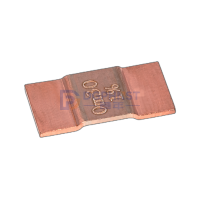
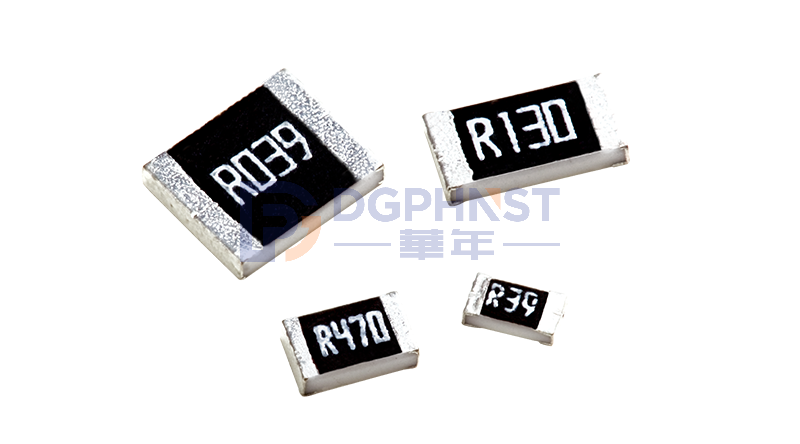
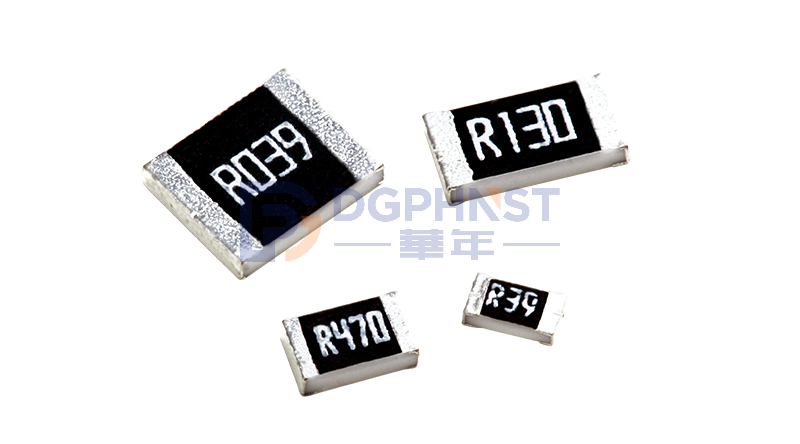
The packaging size of alloy resistors directly affects their layout on the PCB board. Choosing a package that is too large can take up valuable space, while choosing a package that is too small may affect heat dissipation and power capacity. Suitable packaging sizes (such as 0402, 0603, 1206, etc.) need to be selected based on the reserved space and power requirements specified in the design drawings. In addition, it is necessary to consider whether to use surface mount (SMD) or through-hole form, depending on the production process and circuit board design.
5. Consider the long-term stability and reliability of resistors
In addition to initial accuracy, the long-term stability of alloy resistors is also crucial. High quality alloy resistors have minimal resistance changes after prolonged exposure to electricity and environmental stress. In fields with strict reliability requirements such as automotive, medical, or aerospace, it is necessary to choose alloy resistor brands and models that have been validated and have excellent long-term stability.
6. Cost and brand factors that cannot be ignored
On the premise of meeting all technical parameters, cost is naturally an important consideration factor. It is not recommended to blindly pursue low prices at the expense of key performance, as this may lead to a decrease in overall system stability and even higher maintenance costs. Choosing a reputable and quality assured brand supplier, although the initial investment may be slightly higher, can effectively reduce the risk of later failures and maintenance costs.
summary
Choosing the appropriate alloy resistor is a task that requires comprehensive consideration of multiple technical parameters. From resistance, tolerance, power to temperature coefficient and packaging, every detail directly affects the performance and reliability of the final circuit. I hope the above points can provide clear guidance for you in the complex selection of alloy resistors, helping you create more stable and efficient electronic products.
HNST WELCOME! 0755-23173910
English |中文

Cart
{{cartCount}}
你当前的浏览器版本过低或不支持。请升级或更换浏览器。推荐浏览器 Chrome Edge。