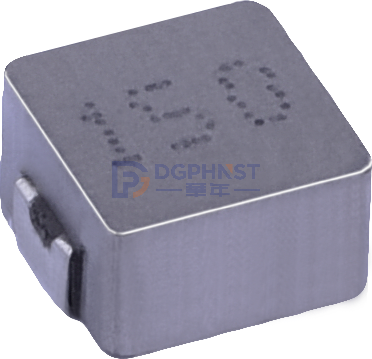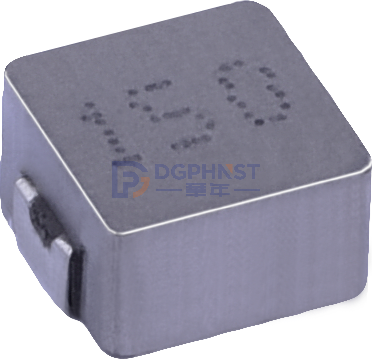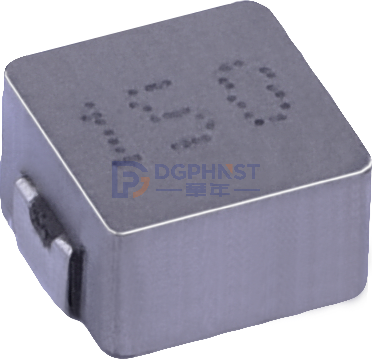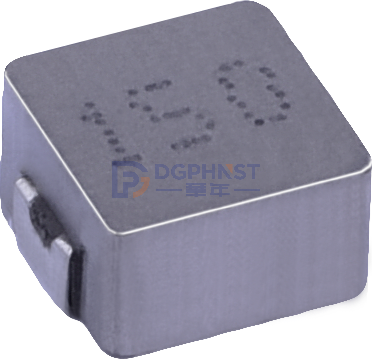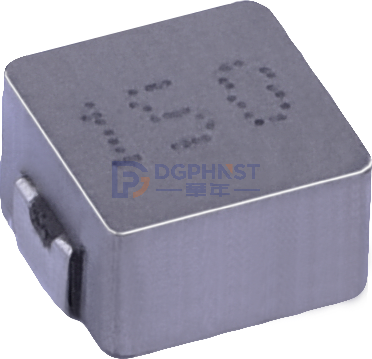
In electronic circuits, high-power alloy resistors are a common component, particularly suitable for scenarios that require handling high currents and high power. Choosing high-power alloy resistors can bring multiple advantages, helping to improve the overall performance and reliability of the system. Let's explore these benefits in detail below.
Firstly, high-power alloy resistors have excellent power handling capabilities. It can withstand high current and power loads without easily overheating or failure. This makes high-power alloy resistors very reliable in high load applications, such as power supplies or motor drive systems. By using high-power alloy resistors, engineers can design more efficient circuits and reduce the risk of faults caused by power fluctuations.
Another key advantage is the stability of high-power alloy resistors. In high temperature or high-power environments, many resistance components are prone to performance drift, but high-power alloy resistors can maintain stable resistance values, ensuring the consistency of long-term circuit operation. This stability stems from the characteristics of alloy materials, making high-power alloy resistors highly favored in fields such as industrial automation and automotive electronics.
In addition, the durability of high-power alloy resistors is very outstanding. It is made of sturdy alloy material that can resist mechanical impact and vibration, extending the service life of the components. Compared with ordinary resistors, high-power alloy resistors are less prone to damage in harsh environments, thereby reducing maintenance costs and replacement frequency. This is an important consideration for equipment that requires long-term reliable operation.
Thermal performance is also a major highlight of high-power alloy resistors. It usually has good heat dissipation design, which can quickly dissipate heat and avoid local overheating problems. Meanwhile, the temperature coefficient of high-power alloy resistors is relatively low, which means that the resistance value changes less with temperature, further improving the accuracy and efficiency of the circuit. In high-power applications, this thermal management capability is crucial to effectively prevent safety issues caused by overheating.
Finally, high-power alloy resistors have high accuracy and small deviation in resistance values, making them suitable for applications with strict requirements for circuit parameters. Whether used for measuring instruments or communication equipment, high-power alloy resistors can provide reliable performance support. Overall, choosing high-power alloy resistors can not only improve power processing capabilities, but also enhance stability, durability, and thermal performance, making it a wise choice for optimizing electronic system design. By using high-power alloy resistors reasonably, users can enjoy a more efficient and safe circuit operation experience.