Selection Guide for Self healing Fuses and Disposable Fuses
In electronic circuit design, fuses are crucial protective components that can promptly cut off the circuit in case of abnormal current, preventing equipment damage. At present, common fuses in the market are mainly divided into two categories: self recovering fuses and disposable fuses. Choosing the appropriate fuse is crucial for ensuring system safety and reliability. This article will provide a detailed introduction to the characteristics of these two types of fuses and offer practical selection recommendations to help you make informed decisions in your project.
Self recovering fuses, also known as resettable fuses, are made of polymer materials. When the current exceeds the set value, the resistance of this fuse will sharply increase, thereby limiting the flow of current. Once the fault is resolved, the fuse can automatically return to a low resistance state and continue working after cooling down. The outstanding advantage of self-healing fuses is that they can be reused, reducing the trouble and maintenance costs of replacing fuses. However, the response speed of this fuse is relatively slow and may not be suitable for circuits that require quick protection. In addition, the performance of self-healing fuses may be unstable in high-temperature or high-frequency environments, so careful evaluation is necessary in precision systems.
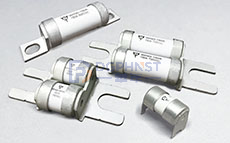
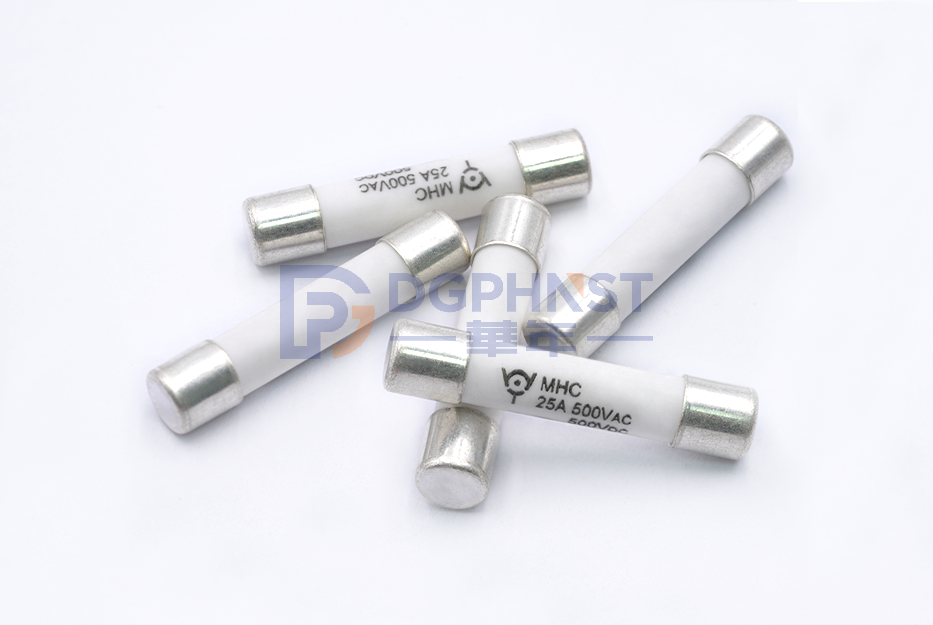
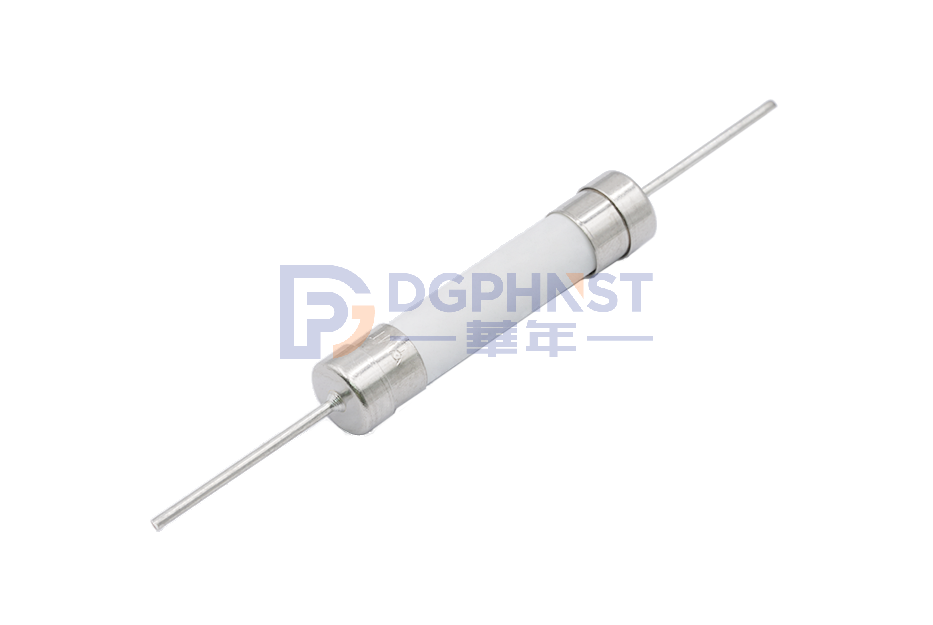
A disposable fuse, also known as a traditional blown fuse, is composed of metal wires or sheets. When the current exceeds the rated value, the metal components inside the fuse will melt, permanently disconnecting the circuit. Disposable fuses respond quickly, providing absolute protection and ensuring circuit safety. But after the fuse is blown, it must be manually replaced, which increases the maintenance workload. Disposable fuses typically have lower costs and are suitable for budget sensitive applications with strict protection requirements.
When selecting fuses, the specific protection requirements of the circuit should be considered first. If the circuit allows for brief overcurrent and minimizes maintenance intervention, self recovering fuses are an ideal choice. For example, in consumer electronics or car devices, self recovering fuses can provide convenient and economical protection. On the contrary, for systems with extremely high safety requirements, such as industrial controls or medical instruments, disposable fuses can better ensure reliable protection and avoid the risks that may arise from automatic reset.
Secondly, cost factor is an important basis for selecting fuses. The initial cost of self recovering fuses is relatively high, but in the long run, they may be more economical because fuses can be reused and do not require frequent replacement. The initial cost of disposable fuses is low, but replacing fuses can accumulate labor and material expenses, especially in circuits with frequent failures where the overall cost may increase.
Environmental conditions also directly affect the selection of fuses. Self recovering fuses are temperature sensitive and their performance may decrease at extreme temperatures; Disposable fuses are usually more stable, but after the fuse is blown, it needs to be replaced in a suitable environment. In addition, space constraints also need to be considered: the self recovery fuse has a small volume and is suitable for compact design; Disposable fuses may require more installation space.
Reliability requirements are also the key to selecting fuses. After a one-time fuse is blown, it can clearly indicate the fault, making it easy to diagnose and maintain; After the self recovery fuse is restored, it may mask intermittent issues, which is not conducive to fault tracing. Therefore, in situations where strict fault recording is required, disposable fuses are often more suitable.
In short, both self-healing fuses and disposable fuses have their own advantages and disadvantages. The selection of fuses should comprehensively evaluate circuit characteristics, cost budget, environmental factors, and reliability standards. Choosing the right fuse can not only improve system safety, but also optimize maintenance efficiency and economy. In practical applications, it is recommended to refer to the fuse specification book in detail and combine it with actual testing to ensure proper selection and provide solid guarantees for circuit protection.
HNST WELCOME! 0755-23173910
English |中文

Cart
{{cartCount}}
你当前的浏览器版本过低或不支持。请升级或更换浏览器。推荐浏览器 Chrome Edge。