Self healing fuses and disposable fuses: are they really the same?
In the field of electronic circuit protection, fuses play a crucial role. Many people are curious: are self recovering fuses and disposable fuses the same thing? Actually, they are not the same. Although both are used for overcurrent protection, there are significant differences in their working principles and applications.
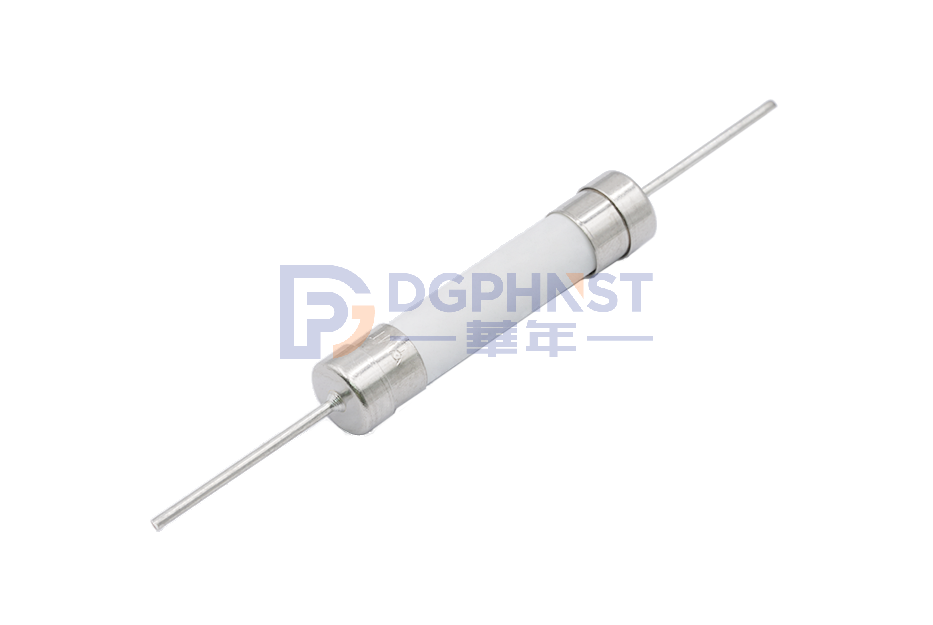
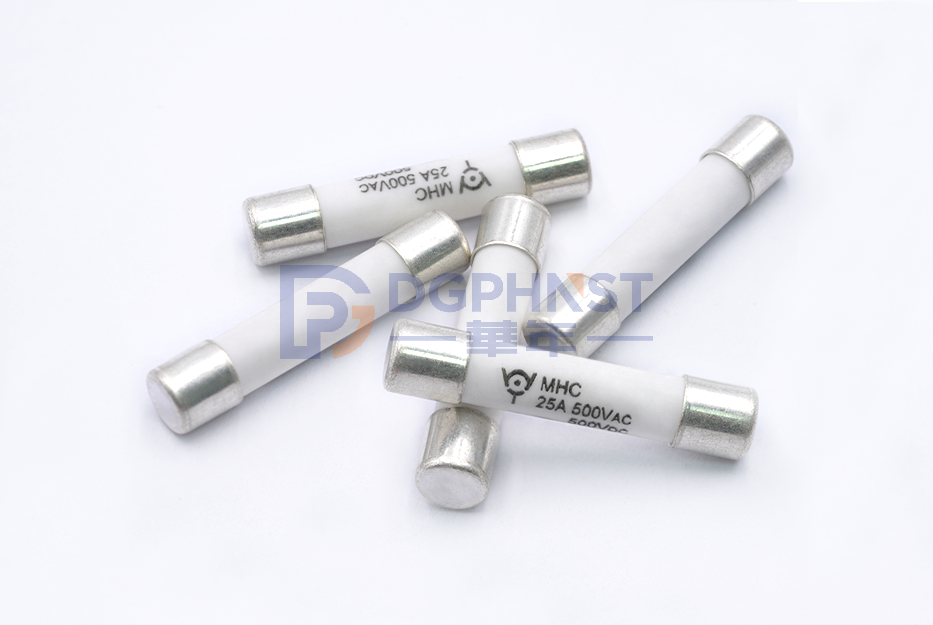
Let's talk about disposable fuses first. This type of fuse is usually made of metal wire, which will melt when the current is too high, thereby cutting off the circuit. Once blown, this type of fuse cannot be used anymore and must be replaced. So it's called a disposable fuse. This type of fuse is commonly found in household appliances and industrial equipment, providing stable protection. Due to its one-time nature, replacement costs may accumulate, but in high reliability scenarios, this type of fuse is still the preferred choice.
And the self-healing fuse is made of polymer positive temperature coefficient material. When the current is abnormal, its resistance will increase, limiting the flow of current. After the fault is resolved, the current is normal and it can be restored to its original state, making it reusable. Because of this characteristic, self recovering fuses are very popular in situations where repeated protection is required. However, this type of fuse may have a slightly slower response speed and is suitable for dealing with momentary overcurrent.
So, are self recovering fuses the same as disposable fuses? Of course it's different. Although they are both fuses, the biggest difference lies in whether they can be restored. A one-time fuse is useless when it melts, but a self recovering fuse can be used multiple times. In addition, the self recovering fuse automatically resets after a fault, saving maintenance trouble; Disposable fuses provide a more thorough circuit breaker, suitable for absolute safety requirements. From a cost perspective, disposable fuses are usually cheaper, but frequent replacement may increase expenses; Self recovery fuses require high initial investment but are suitable for long-term use.
In terms of application, disposable fuses are often used in places with high safety requirements and easy replacement, such as power sockets or industrial controllers; Self recovering fuses are suitable for embedding in systems, automotive electronics, and other difficult to maintain equipment. The choice of fuse depends on the requirements: if you want to save maintenance trouble, choose to restore the fuse; If cost and reliability are important, disposable fuses are better. Regardless of the type of fuse, correct installation is necessary to provide protection.
Overall, although both self-healing fuses and disposable fuses are called fuses, their design, usage, and lifespan are different. Understanding these differences is essential for selecting the right fuse in circuit design. No matter which type of fuse is used, the core goal is to ensure circuit safety. Although the fuse is small, it has a great effect. Choosing the appropriate fuse according to the actual situation can ensure the stable operation of the equipment. Remember, the choice of fuse is related to overall performance, and the more you understand, the more safe you are.
HNST WELCOME! 0755-23173910
English |中文

Cart
{{cartCount}}
你当前的浏览器版本过低或不支持。请升级或更换浏览器。推荐浏览器 Chrome Edge。