What is the difference between self-healing fuses and disposable fuses?
In the field of circuit protection, fuses are key components that prevent overcurrent damage to equipment. Common types of fuses include self-healing fuses and disposable fuses, which have essential differences in their working principles, usage methods, and application scenarios. Understanding these differences can help select appropriate fuses based on actual needs, improving circuit safety and reliability.
Self recovering fuse, also known as resettable fuse, is made of polymer positive temperature coefficient material. When overcurrent occurs in the circuit, the internal resistance of this fuse will sharply rise, thereby cutting off the flow of current. Once the fault is resolved and the current returns to normal, the fuse can automatically return to a low resistance state and continue to conduct the circuit. This reusable feature allows self recovering fuses to be replaced without the need for manual intervention, making them particularly suitable for equipment that requires frequent protection or unmanned operation.
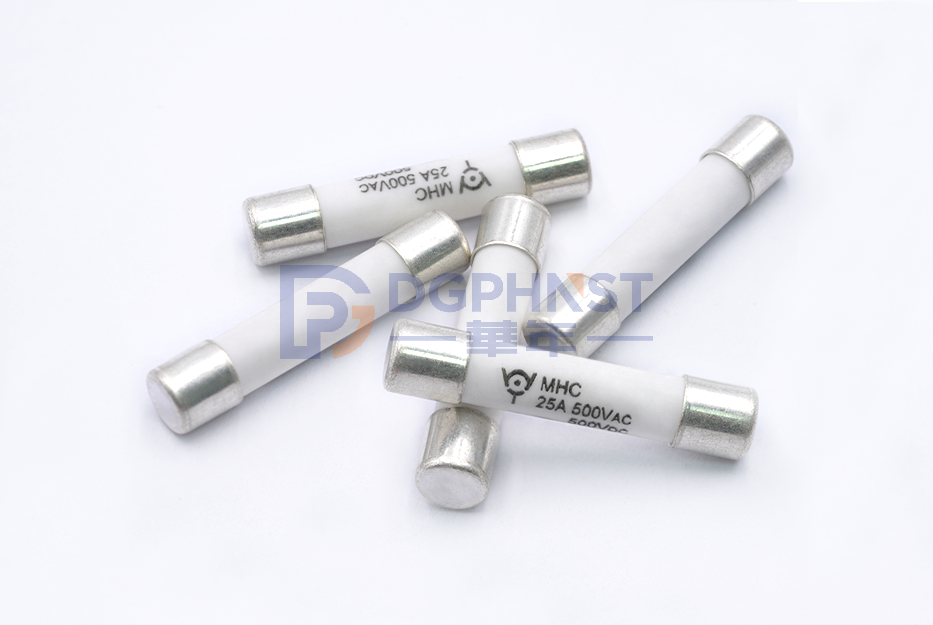
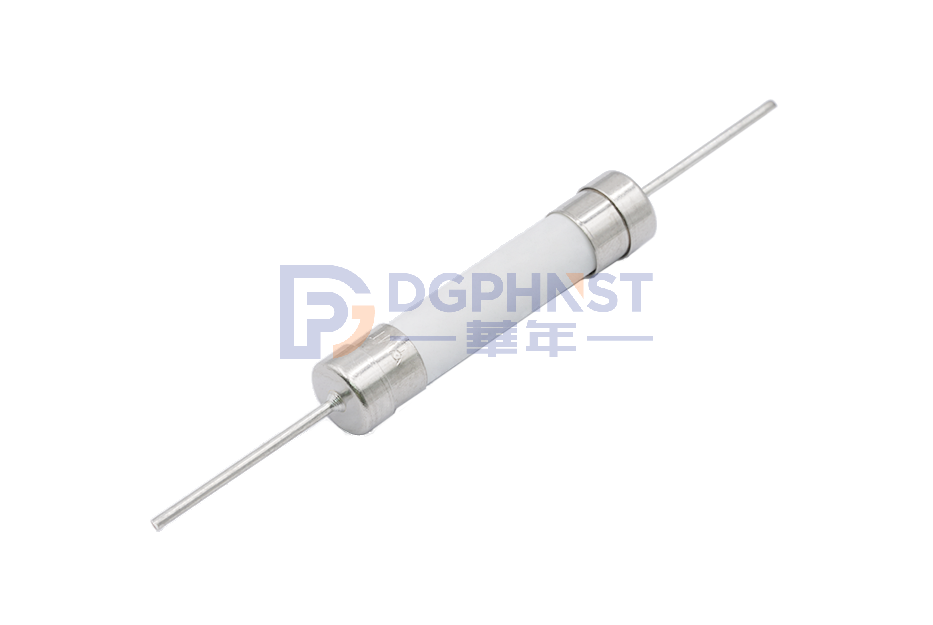
In contrast, disposable fuses are traditional forms of fuses, typically composed of metal fuses. When the current exceeds the rated value, the fuse will melt due to overheating, permanently disconnecting the circuit. After the fuse is blown, it must be manually replaced with a new one in order for the circuit to restore its function. This type of fuse has a simple structure and low cost, but can only provide one-time protection, making it suitable for cost sensitive or maintenance free situations.
From the perspective of core differences, the advantage of self recovering fuses is that they can be used multiple times, reducing long-term maintenance costs; Disposable fuses are cost-effective and suitable for one-time protection needs. In terms of response speed, the self recovery fuse can automatically reset after action, but the reset time may vary depending on the design; A disposable fuse melts quickly, but it is inconvenient to replace. In addition, self-healing fuses are commonly used in fields such as electronic devices and communication equipment that are susceptible to transient overcurrent effects; Disposable fuses are commonly found in scenarios such as power adapters and industrial control systems.
When choosing a fuse, it is necessary to consider the circuit characteristics, cost budget, and maintenance requirements comprehensively. Self recovering fuses are suitable for applications that emphasize convenience and reusability, while disposable fuses are suitable for simple and economical protection solutions. Regardless of the type of fuse, selecting the correct one can effectively prevent equipment damage and ensure stable system operation.
In short, self-healing fuses and disposable fuses each have their own characteristics, with the main differences being their resettability, maintenance methods, and cost-effectiveness. By selecting the appropriate type of fuse, more efficient and reliable circuit protection can be achieved.
HNST WELCOME! 0755-23173910
English |中文

Cart
{{cartCount}}
你当前的浏览器版本过低或不支持。请升级或更换浏览器。推荐浏览器 Chrome Edge。