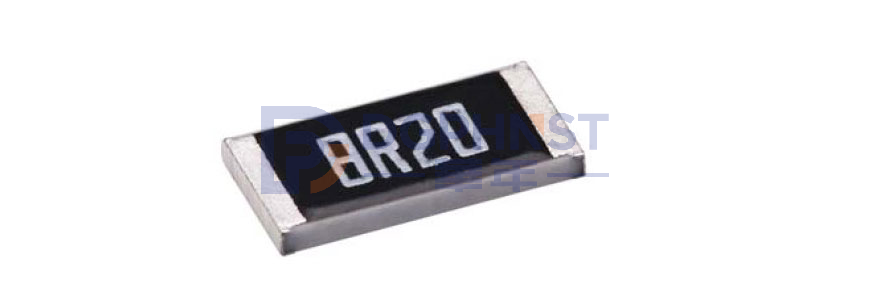
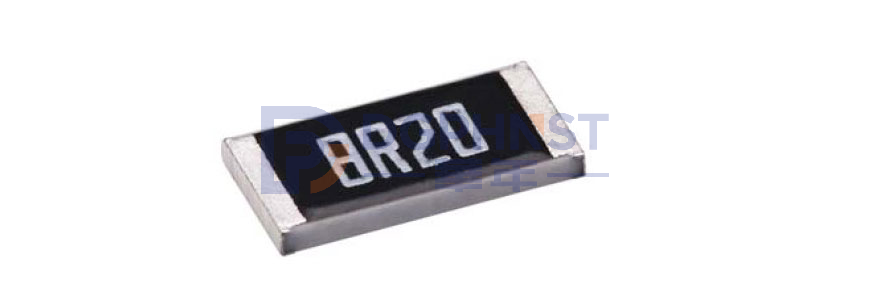
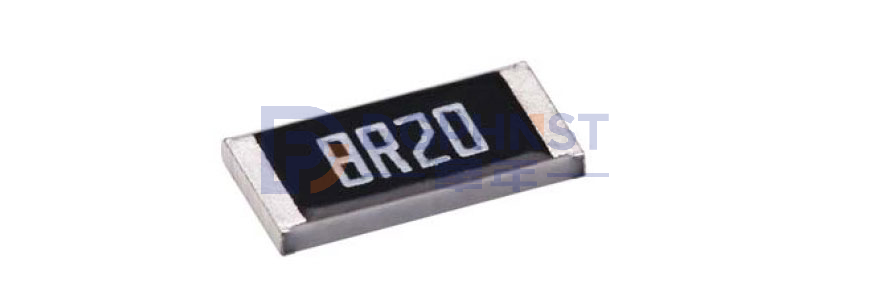
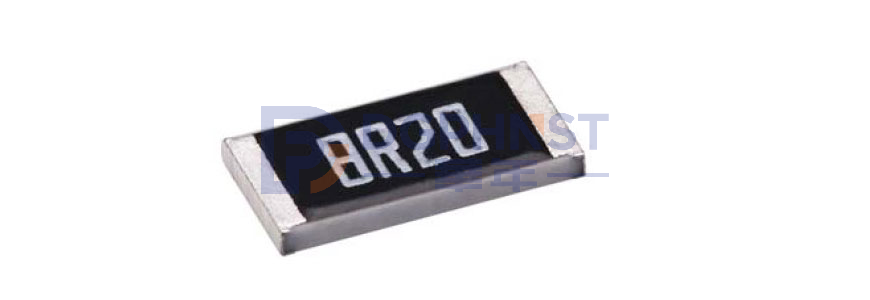
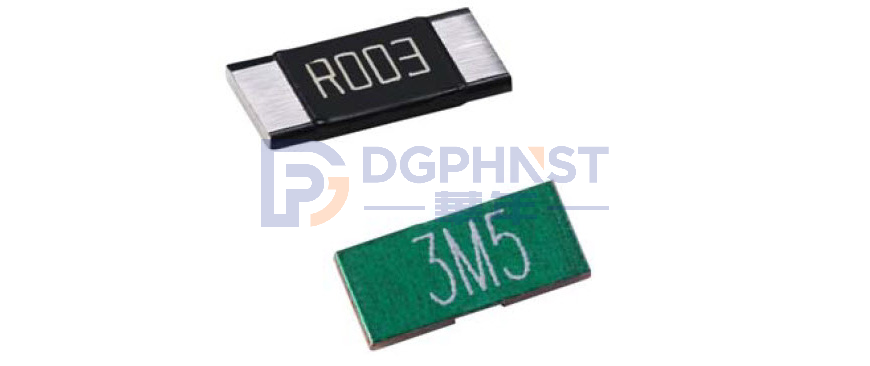
Viking thin film resistors, as key components in high-performance circuit design, play an important role in various precision electronic devices due to their excellent accuracy, stability, and reliability. The following will provide a detailed introduction to its technical characteristics, core advantages, and typical applications.
1、 Technical characteristics and manufacturing process
Viking thin film resistors use advanced vacuum sputtering or evaporation processes to form an extremely thin and uniform metal or alloy film layer on a ceramic substrate. The thickness of this thin film is usually only in the nanometer to micrometer range, and then patterned through precise photolithography technology to form the required resistance circuit. This process enables Viking thin film resistors to have an extremely low temperature coefficient (TCR), typically ranging from ± 5 ppm/° C to ± 25 ppm/° C, which means that their resistance values change very little with ambient temperature. Meanwhile, its tolerance accuracy can reach up to ± 0.01%, providing extremely high signal processing and voltage division accuracy for the circuit.
2、 Core performance advantages
1. Excellent stability and low noise: Thanks to the uniform thin film structure and stable material system, Viking thin film resistors exhibit excellent long-term stability with minimal resistance drift after long-term operation or exposure to environmental stress. Its current noise is also much lower than that of thick film resistors, making it very suitable for high-sensitivity analog signal links and front-end amplification circuits.
2. Excellent high-frequency characteristics: Due to the extremely thin film layer and compact structure, its parasitic inductance and distributed capacitance are very small, which makes Viking thin film resistors outstanding in high-frequency and ultra-high frequency applications, maintaining accurate impedance characteristics and widely used in radio frequency (RF) communication and testing measurement equipment.
3. Wide range of resistance values and power: Viking offers a wide range of choices from extremely low resistance values (such as below 1 ohm) to ultra-high resistance values (tens of megaohms), and can achieve relatively high power density in small volume packages to meet the needs of different circuit designs.
3、 Main application areas
With the above advantages, Viking thin film resistors have become an indispensable component of many high-end electronic devices. Its main application scenarios include:
Precision measuring instruments, such as digital multimeters, source meters, data acquisition systems, etc., require extremely high measurement accuracy and stability.
Medical electronic devices: precision analog circuits in medical imaging (such as MRI, CT), vital sign monitoring, and other equipment.
Automotive electronics and industrial control: especially in situations where reliability and temperature stability are strictly required, such as engine management and sensor signal conditioning.
Communication infrastructure: RF power amplification, attenuation, and matching circuits in base stations and network equipment.
Aerospace and Defense Electronics: These fields have the highest standards for the performance and reliability of components in extreme environments.
In summary, Viking thin film resistors represent the high level of current resistance technology and are the preferred choice for engineers when designing circuits that pursue precision, stability, and high-frequency performance. Its precise manufacturing process and strict quality control ensure that it can provide long-lasting and reliable services in critical applications.
HNST WELCOME! 0755-23173910
English |中文

Cart
{{cartCount}}
你当前的浏览器版本过低或不支持。请升级或更换浏览器。推荐浏览器 Chrome Edge。