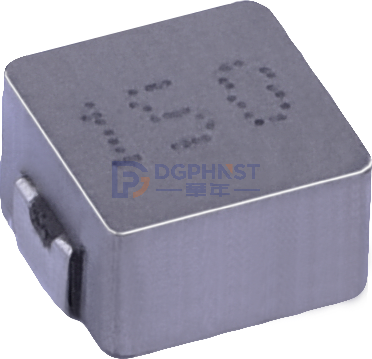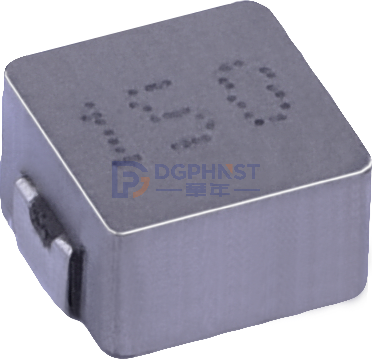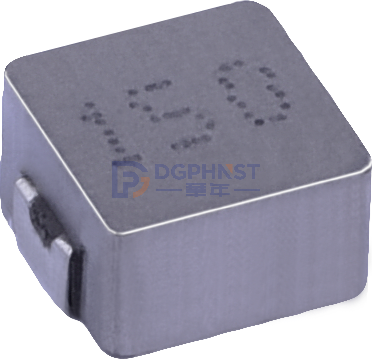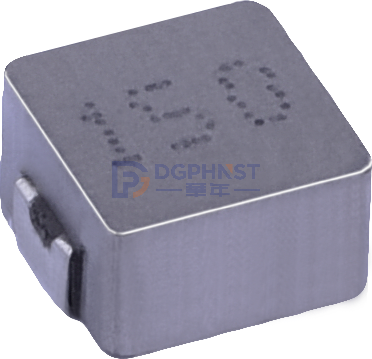
Impact of Current Surges on Resistors and Advantages of Alloy Resistors
Power supplies, motor controllers, new energy vehicles, energy storage equipment and industrial automation devices do not operate with constant current. Instant high surge currents are generated upon equipment startup, load switching and short-term overload operation. Such abrupt heavy currents subject resistors to severe thermal loads, so their capacity to withstand pulse surges must be a key consideration during resistor selection.

Performance Advantages of Alloy Resistors
Compared with conventional thick-film resistors, alloy resistors adopt specialized materials and internal structures that deliver superior heat dissipation and thermal resistance. They exhibit greater durability and stability under pulse surges, making them critical components for current sensing and power management.
Definition of Pulse Withstanding Capability
Pulse Withstanding Capability refers to a resistor’s ability to endure short-duration high-power surges under standardized pulse conditions without sustaining damage or abnormal electrical performance.
Key Indicators for Evaluating Resistor Pulse Resistance
Four core metrics determine how well a resistor withstands pulse surges:
- Whether resistance drift exceeds the specified allowable tolerance range;
- Whether the resistor body suffers scorching, cracking or fusing;
- Whether cracks or detachment occur on terminal electrodes and solder joints;
- Whether the equipment’s long-term service life is drastically shortened.
Simply put, this metric reflects a resistor’s overall robustness against instantaneous high-current and high-energy shocks.
Why Alloy Resistors Deliver Superior Pulse Resistance
1. Alloy Materials Feature Outstanding Surge Resistance
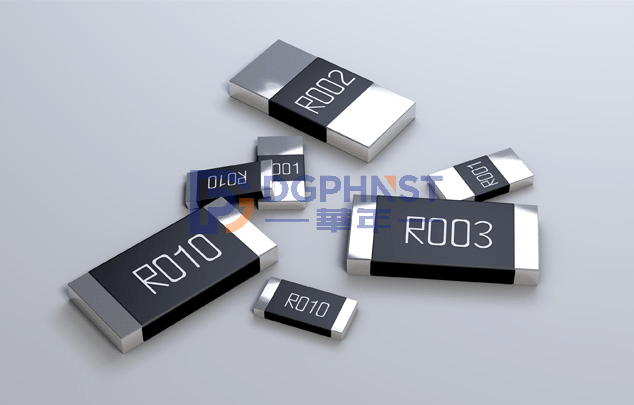
Alloy resistors are generally manufactured from low-resistance alloys such as Manganin and Cupronickel.
In contrast to the resistive paste structure of traditional thick-film resistors, alloy materials boast the following merits:
- Higher melting point
- Lower coefficient of thermal expansion
- Superior thermal conductivity
- Greater mechanical structural strength
Instant heat builds up the moment pulse current flows through the component. Alloy substrates rapidly dissipate heat, suppress local hot spot formation and drastically boost tolerance against instantaneous heavy current surges.
2. Monolithic Metal Structure Reduces Thermal Stress
Alloy resistors utilize a solid block of metal alloy as the primary conductive path, bringing structural benefits including:
- Uniform current flow paths
- Optimized current density distribution
- Minimal heat concentration
- Reduced risk of local overheating
Under identical pulse conditions, alloy resistors see far lower overall temperature rise and less thermal stress than standard thick-film resistors, making them resistant to cracking and burnout.
3. Low Resistance Reduces Heat Generation
In accordance with Joule’s Law \(P = I^2R\): when subjected to identical pulse current, resistors with lower resistance generate less instantaneous thermal power and experience milder temperature spikes. This significantly extends the number and duration of tolerable pulse surges — a core reason alloy resistors are widely deployed for milliohm-level current sensing.
Damages Caused by Pulse Surges to Resistors
- Resistance drift: Instant high temperatures alter the alloy crystal structure, leading to resistance deviation.
- Solder joint fatigue: Repeated pulse cycling subjects solder points to cyclic thermal expansion and contraction stress, potentially causing solder failure over long-term operation.
- Resistor body cracking: When pulse energy exceeds the material’s limit, microcracks or even open circuits may form.
- Accelerated thermal aging: Prolonged exposure to pulse conditions shortens component service life.
A resistor surviving a single pulse surge does not mean it sustains no internal damage. Internal deterioration is irreversible, continuously degrading long-term operational reliability.
Core Factors Affecting Pulse Withstanding Capability
1. Resistor Package Size
Package dimensions directly dictate heat dissipation area and tolerable pulse energy. Larger packages feature more effective heat radiating surfaces, capable of dissipating and bearing higher total pulse energy per unit time. For instance, large-size packages such as 3920 and 5930 far outperform compact 1206 resistors in pulse resistance.
2. Pulse Duration
With constant peak current, longer pulse duration accumulates more thermal energy inside the component and aggravates thermal damage. Damage severity ranks as: 10μs pulse < 100μs pulse < 1ms pulse.
3. Pulse Repetition Frequency
The damage level differs drastically between isolated single pulses and high-frequency continuous pulses. When the interval between consecutive pulses is short, residual heat from the prior pulse cannot fully dissipate, leading to continuous heat buildup, elevated average power consumption and sharply higher thermal failure risks.
4. PCB Thermal Layout Design
Optimized circuit board thermal design often delivers greater improvements to pulse performance than resistor selection alone:
- Widen and thicken copper foil thermal conduction zones
- Adopt thick copper substrate PCBs
- Add thermal vias for auxiliary heat dissipation
- Optimize internal air ducts and airflow cooling paths for complete equipment
How to Select Alloy Resistors with Excellent Pulse Resistance
Engineers should prioritize the following parameters when screening high pulse-withstand alloy resistors:
1. Pulse Curve
This is the most critical reference dataset. The pulse derating curve reveals:
- Maximum allowable pulse power
- Maximum allowable pulse current
- Permissible load capacity under different pulse widths
2. Power Rating
Resistors with higher rated power feature greater internal thermal storage capacity, offering two major advantages:
- Enhanced tolerance against instantaneous heavy current surges
- Extended service life under long-term repeated pulse operating conditions
3. TCR (Temperature Coefficient of Resistance)
Prioritize low temperature drift specifications: ±50ppm/℃, ±75ppm/℃ and ±100ppm/℃. Pulse surges trigger short-term temperature spikes; low-TCR resistors exhibit minor resistance deviation, consistently preserving the precision of current sensing and detection.
4. AEC-Q200 Certification
For automotive electronics applications, select products certified to AEC-Q200 standards, which impose stricter reliability testing requirements covering pulse resistance, vibration, thermal shock and more.
Closing Remarks
Featuring ultra-low resistance, high power density, stable thermal characteristics and excellent anti-pulse performance, alloy resistors are widely integrated into current sensing circuits of new energy vehicles, energy storage equipment, industrial drives, switching power supplies, photovoltaic inverters and other devices, serving as the mainstream industry solution for current sampling.
A resistor’s maximum tolerable instantaneous pulse current depends not only on its material and internal structure. Package size, pulse duration, pulse repetition frequency and PCB thermal layout all exert substantial impacts on its surge endurance. When sourcing components, engineers must comprehensively reference the manufacturer’s pulse withstand curves and derating standards in combination with the actual operating conditions of end equipment, to guarantee long-term stable operation at the component level.
The pulse withstanding capability of alloy resistors is the cornerstone of highly reliable circuit design. Precise component selection, rational PCB layout and strict brand control can drastically mitigate risks of pulse-induced component failure. Backed by authorized genuine brands, ample spot inventory and professional technical support, Shunhai Technology / Huanian Mall delivers a full lineup of alloy resistor matching solutions, catering to high-current pulse application scenarios including automotive-grade electronics, industrial power supplies, energy storage, lithium BMS and fast charging.