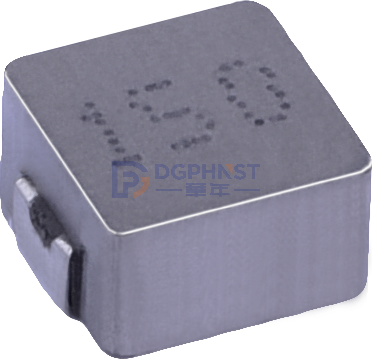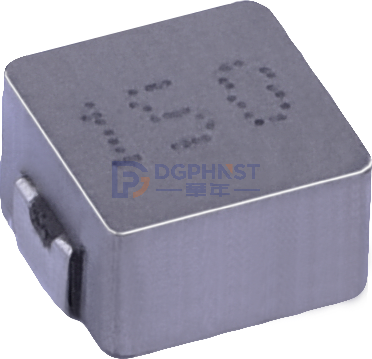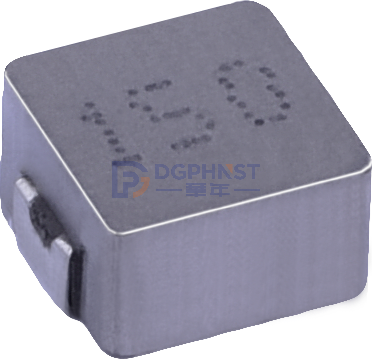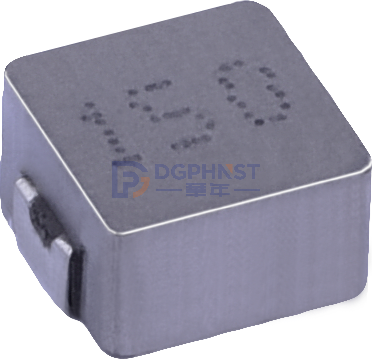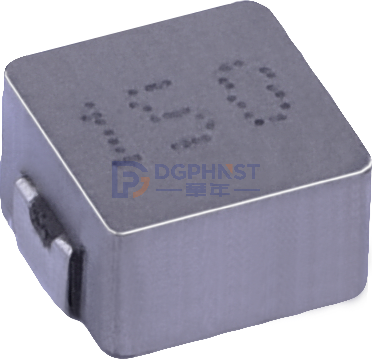
Comprehensive Introduction of 3920 0.0005R(0.5m Ohm) 9W High-Precision Metal Shunt Chip Resistor
In today’s trend toward miniaturized and high-performance electronic devices, current-sensing resistors are core components in power management, battery protection, motor control, and other critical circuits. Their performance directly affects the stability and accuracy of the entire system. This article details a premium product designed for high‑power, high‑precision current sampling – the 3920 0.0005R(0.5m Ohm) 9W 1% ESR39D9W0M50M02G Metal Shunt Chip Resistor. With its ultra‑low resistance, high power rating, excellent temperature coefficient, and environmental compliance, this model has become an ideal choice for engineers developing high‑current detection circuits.
1. Product Overview and Key Parameters
The 3920 0.0005R(0.5m Ohm) 9W belongs to the metal shunt chip resistor series, housed in a standard 3920 imperial package (9.8mm × 5.0mm) for easy automated surface‑mount assembly. Its nominal resistance is as low as 0.0005Ω (0.5mΩ), while the rated power reaches 9W – far exceeding that of traditional thick‑film or thin‑film resistors in the same size. The tolerance is ±1%, ensuring minimal deviation during mass production. The full ordering code ESR39D9W0M50M02G encodes package, power, resistance, tolerance and other information for convenient procurement and traceability.
2. Core Material: Advantages of Manganese Copper (MnCu)
The key conductor material of this resistor is manganese copper (MnCu) alloy. MnCu is a copper‑manganese‑nickel alloy known for its extremely low temperature coefficient of resistance (TCR) and excellent long‑term stability. Compared to ordinary copper or constantan, MnCu maintains minimal resistance change over a wide temperature range (typically -40℃ to +125℃), which directly gives the 3920 0.0005R(0.5m Ohm) 9W its “low temperature drift” characteristic. Moreover, the thermoelectric voltage of MnCu against copper is very low, so parasitic thermoelectric effects during high‑current flow are negligible, further improving signal purity. MnCu also offers good tensile strength and corrosion resistance, ensuring reliable operation in humid or salt‑spray environments.
3. Low Temperature Drift & High Accuracy for Measurement Fidelity
For current detection, resistance drift with temperature directly causes measurement error. Thanks to the MnCu alloy, the 3920 0.0005R(0.5m Ohm) 9W achieves a typical TCR below ±50ppm/℃ (consult datasheet for exact values). This means that when the ambient temperature changes by 100℃, the resistance varies by less than 0.005% – a significant advantage over common metal‑film resistors (±200~±500ppm/℃). Combined with ±1% factory accuracy, this resistor meets the stringent long‑term consistency requirements of industrial and automotive‑grade current monitoring modules. Whether used for charge/discharge current sampling in a battery management system (BMS) or phase current detection in a servo motor driver, the 3920 0.0005R(0.5m Ohm) 9W delivers stable, trustworthy voltage drop signals.
4. 9W High Power and Strong Surge Withstand Capability
In the same 3920 package, traditional thick‑film resistors typically handle only 1‑2W. The 3920 0.0005R(0.5m Ohm) 9W raises the rated power to 9W through optimised electrode structure, thick copper terminations, and the excellent thermal conductivity of the MnCu body. This allows it to safely handle continuous currents up to 134 amperes (from P=I²R: I = sqrt(9/0.0005) = sqrt(18000) ≈ 134.16A). In practice, PCB heat dissipation must be considered – enlarge solder pads, use thermal vias, etc.
Beyond steady‑state power, this model features strong surge withstand capability. Shunt resistors are often placed directly in the power path; during system startup or load transients, surge currents can be several times the normal value. The 3920 0.0005R(0.5m Ohm) 9W, with its low inductance (<5nH typical) and rugged structure, can absorb pulse energy lasting tens of milliseconds without shifting resistance or failing open. This makes it especially suitable for inverters, switched‑mode power supplies, and pre‑charge circuits in automotive electronics.
5. Environmental Compliance: RoHS, REACH, Lead‑Free
Global electronics products must strictly follow environmental regulations. The 3920 0.0005R(0.5m Ohm) 9W fully complies with the EU RoHS directive (restriction of hazardous substances) and REACH regulation (registration, evaluation, authorisation and restriction of chemicals). Its terminations use a lead‑free plating process, providing a smooth, flat tin layer compatible with high‑temperature lead‑free reflow soldering (peak 260℃). The product also contains no halogens, red phosphorus or other sensitive substances, meeting green partner requirements of many brand owners. For end‑equipment sold in Europe, North America, Japan, Korea and other markets, choosing this resistor simplifies compliance certification.
6. Typical Applications
-
Battery Management Systems (BMS): In power tools, energy storage stations, and EVs, the 3920 0.0005R(0.5m Ohm) 9W detects high charge/discharge currents for coulomb counting and overcurrent protection.
-
Power Modules: Primary‑side current sampling in server and telecom power supplies, feeding the voltage control loop via an op‑amp.
-
Motor Drives: Phase current feedback in inverters, stepper motors, and servo drives to improve torque control accuracy.
-
Power Adapters: Input/output current monitoring in laptop adapters and fast chargers.
-
Instrumentation: Current readout resistors in precision DC power supplies and electronic loads.
7. Usage Notes
-
Heat Dissipation – The 9W rating relies on effective PCB thermal management. Use 2oz or thicker copper, large copper areas around the pads and via arrays; add a heatsink if necessary.
-
Kelvin Connection – With a resistance of only 0.5mΩ, lead and solder resistances are not negligible. Always use a four‑wire Kelvin sense layout, connecting the voltage sensing traces directly to the dedicated sense pads at each end of the resistor, avoiding unwanted voltage drops from the current path.
-
Operating Temperature – Although MnCu has low drift, ensure the resistor body temperature does not exceed 125℃ (derate per the datasheet curve if needed).
-
Soldering – Follow the recommended reflow profile per J‑STD‑020; avoid overheating that could oxidise the terminations.
8. Summary
The 3920 0.0005R(0.5m Ohm) 9W 1% ESR39D9W0M50M02G metal shunt chip resistor, with its low temperature drift, high accuracy, strong surge immunity (thanks to MnCu alloy) and 9W ultra‑high power density, perfectly solves the problems of excessive drift and insufficient power found in traditional low‑ohmage resistors used in high‑current applications. It also fully meets RoHS, REACH and lead‑free environmental requirements, making it an ideal current‑sensing component for next‑generation green electronic designs. For engineers needing precise measurement of hundred‑ampere currents, the 3920 0.0005R(0.5m Ohm) 9W is a reliable choice.