
In various circuits with batteries or requiring current sampling, such as battery protection boards, industrial PLCs, IGBTs, and servo inverters, a certain component is indispensable —— alloy resistors, often referred to in the industry as current detection resistors, sampling resistors, or milliohm resistors.
With the core advantages of low resistance value, high precision, low temperature drift, high power, and high reliability provided by the alloy base material, they have become the standard component for current sampling applications.
Five Major Types of Alloy Resistors Detailed Parameter Comparison
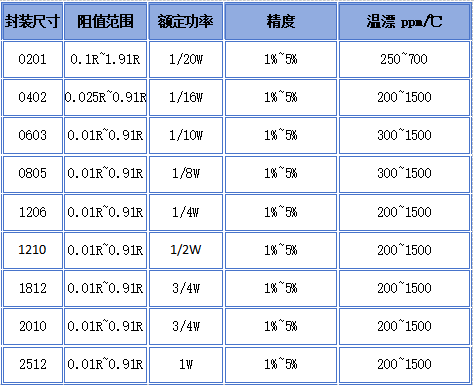
(1) Ordinary Low Resistance Resistor
It is suitable for common consumer power supply scenarios where precision and temperature drift are not highly required, and cost is the main concern;
Features: low price, higher temperature drift, mainly small power, suitable for low-precision current sampling.
(2) High-Power Ordinary Low Resistance
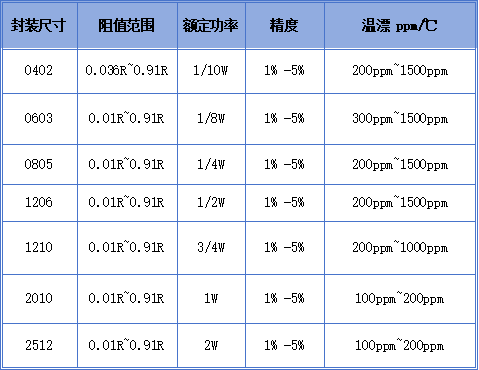
Under the same package, it can carry higher power than ordinary low-value resistors, with optimized temperature drift, balancing cost and current carrying capacity;
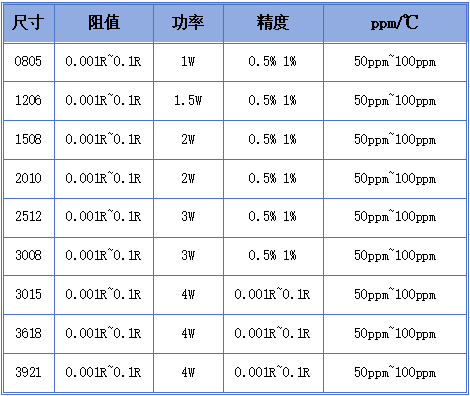
Features: large package models have significantly reduced temperature drift, with 2W high power achievable in 2512 packages.
(3) Alloy Resistor
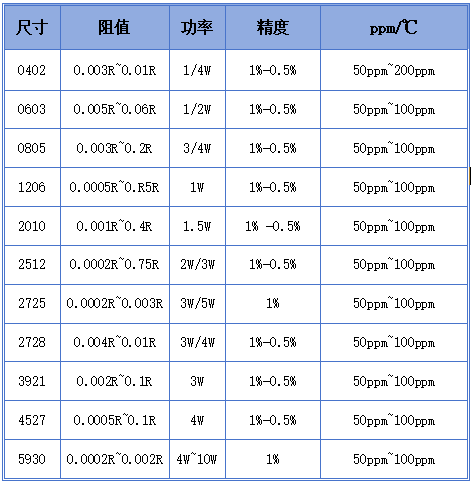
A true alloy-based sampling resistor, with extremely low temperature drift and high precision, commonly used in industrial and new energy applications;
Core advantage: temperature drift is stably controlled within 50~100ppm, with the highest precision reaching 0.5%, covering milliohm-level ultra-low resistance values, making it the preferred choice for most industrial control and power projects.
(4) Long Electrode Ceramic Low Resistance
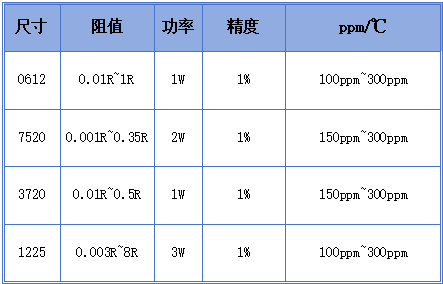
Optimized heat dissipation with a long electrode structure and ceramic base, moderate stability, with cost between ordinary low resistance and long electrode alloy resistors.
Drawback: ceramic base stability is weaker than alloy base material, with higher temperature drift, not recommended for long-term use in high-end industrial equipment.
(5) Long Electrode Alloy Resistor
The top-tier sampling resistor in the industry, combining long electrode heat dissipation and alloy base material, with stability more than ten times higher than ceramic ones, specifically designed for servos, inverters, and automotive electronics control.
In Conclusion
Current sampling is a core part of power supplies and industrial control devices. The selection of sampling resistors directly determines the overall precision, stability, and service life of the system. From process type, manufacturing tolerance, temperature coefficient, to power derating, pulse capability, and long-term stability, every parameter can affect the final design outcome.
If you have any questions about resistors, feel free to post them in the comments section, and we can discuss and learn together.