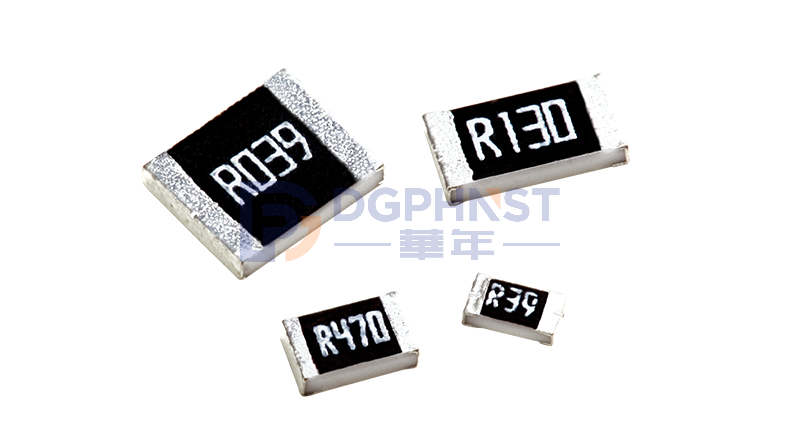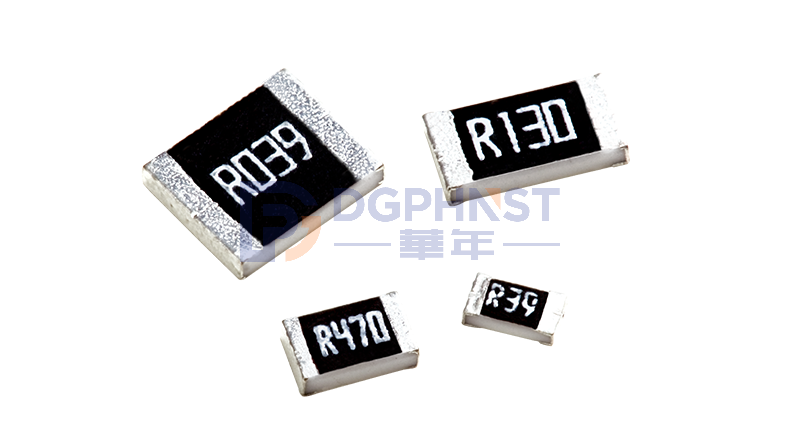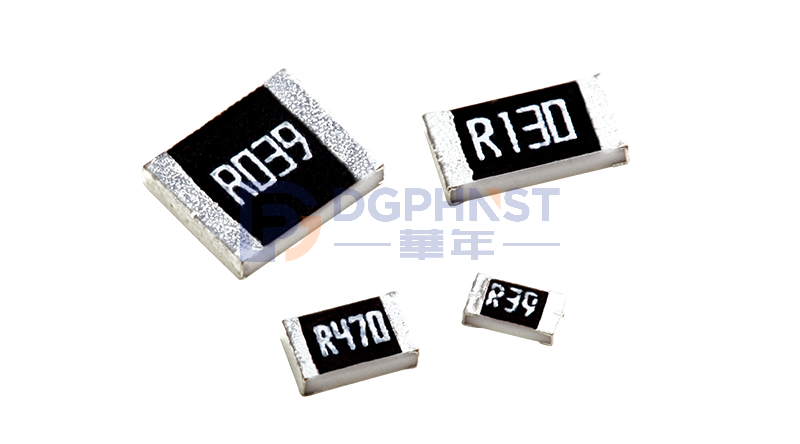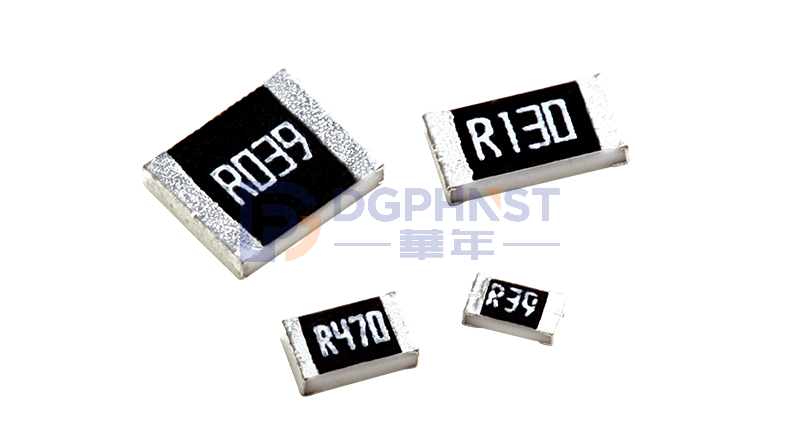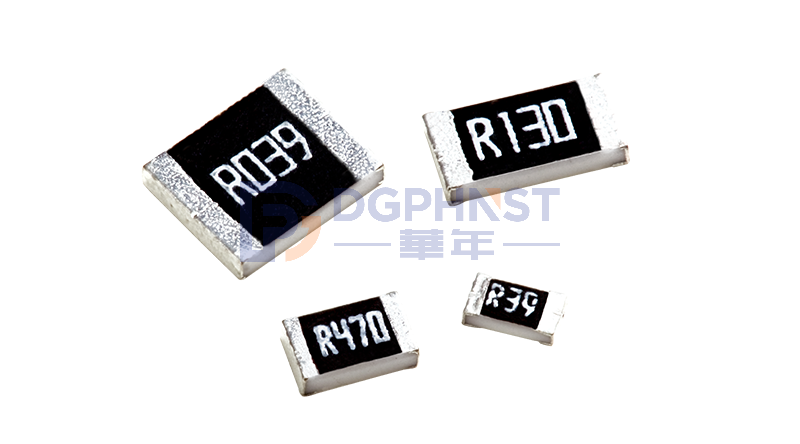
Abstract: When resistance, tolerance, TCR, material, and physical size are held constant, increasing a resistor’s power rating does not alter circuit logic but significantly affects thermal behavior and safety margins. If the size is fixed while the power rating is raised, the resistor typically employs a more robust resistive film or superior substrate design, leading to lower operating temperatures and enhanced pulse-withstanding capability. However, in fusing or precision protection circuits, oversizing power can defeat intended safety functions.
Thermal Stress and Long-Term Reliability
The power rating of a resistor is fundamentally a thermal limit. With identical physical dimensions and unchanged actual dissipation, a higher-rated resistor operates at a lower surface temperature relative to its maximum limit. Since failure rate correlates exponentially with temperature, a reduction in temperature rise of 10°C to 15°C can extend service life by several times. For power supplies or industrial boards under continuous load, this thermal margin directly translates to lower field failure rates. For instance, when specifying ELLON precision metal film or thick film resistors, even in compact 0805 or 1206 packages, the derating curve provides a sensible safe operating area, preventing resistance drift caused by prolonged operation near the limit.
Pulse and Surge Tolerance
In switching power supplies, motor drives, or capacitor charging circuits, resistors often face transient peaks rather than average power. With identical size, a higher power rating generally implies a thicker resistive layer or greater thermal mass, resulting in a superior pulse limit power curve. This means the resistor is less susceptible to film ablation or permanent open-circuit failure during startup inrush or short-circuit spikes. If periodic pulses are present, sizing solely by average power is risky; an appropriate power margin provides essential surge buffer.
Potential Side Effects in Precision and Protection Circuits
Oversizing power is not universally beneficial. In fusible resistors or protection circuits, increasing power rating can directly disable the safety function. Fusible resistors are designed to open rapidly when overloaded because their power dissipation capability is intentionally limited. Substituting a higher-wattage resistor of the same ohmic value means fault current may not generate enough heat to blow it, allowing fault energy to propagate to more expensive downstream components. Similarly, in precision dividers or sense circuits, a thicker film (often accompanying higher power in the same size) may slightly alter voltage coefficient or thermal EMF; even with identical nominal resistance, actual error in microvolt-level signal chains should be re-verified.
Practical Selection Guidance
For most general-purpose current limiting, pull-up, or damping applications, a power margin of 1.5× to 2× the calculated dissipation is standard practice. If the original design was space-constrained and ran with tight power margin, switching to a higher-rated model in the same footprint is an effective reliability upgrade. In practical procurement, Shenzhen Shunhai Technology Co., Ltd. and Huanian Mall typically stock ELLON resistors across the full power range, from 1/10W to 1W in both SMD and through-hole formats, enabling engineers to optimize reliability by adjusting only the power rating while keeping resistance and package unchanged.