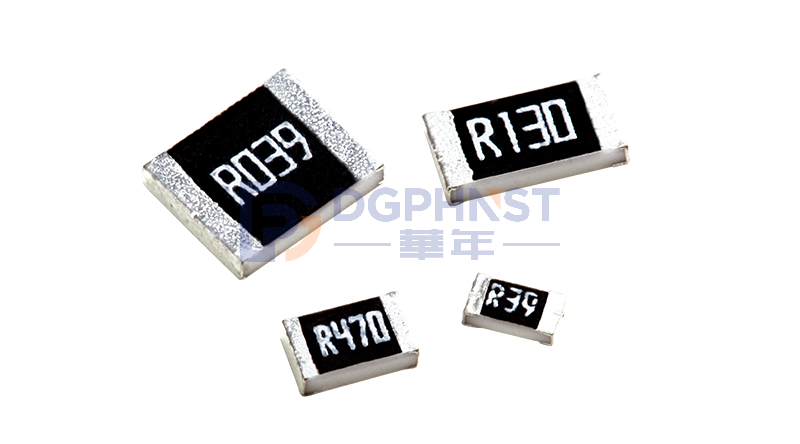
——This article is edited by Shenzhen Shunhai Technology Co., Ltd. (a high-precision thin-film resistor supplier) and Hanian Mall.
In the R&D and mass production of general-purpose precision instruments, temperature drift (TCR) is a persistent technical pain point. Devices calibrated to meet accuracy standards at room temperature often exhibit reading offsets when subjected to high or low temperature conditions. Large individual accuracy dispersion within the same batch leads to prolonged calibration times on the production line. Furthermore, heat generated during long-term operation can cause reference source drift, resulting in measurement errors exceeding specifications. These issues are primarily related to the Temperature Coefficient of Resistance (TCR) of core sampling and voltage divider resistors in the circuit.
As precision instruments evolve towards higher accuracy and reliability, high-precision thin-film resistors with TCR ±25ppm are transitioning from optional high-end components to standard selections for precision sampling and reference voltage divider circuits.
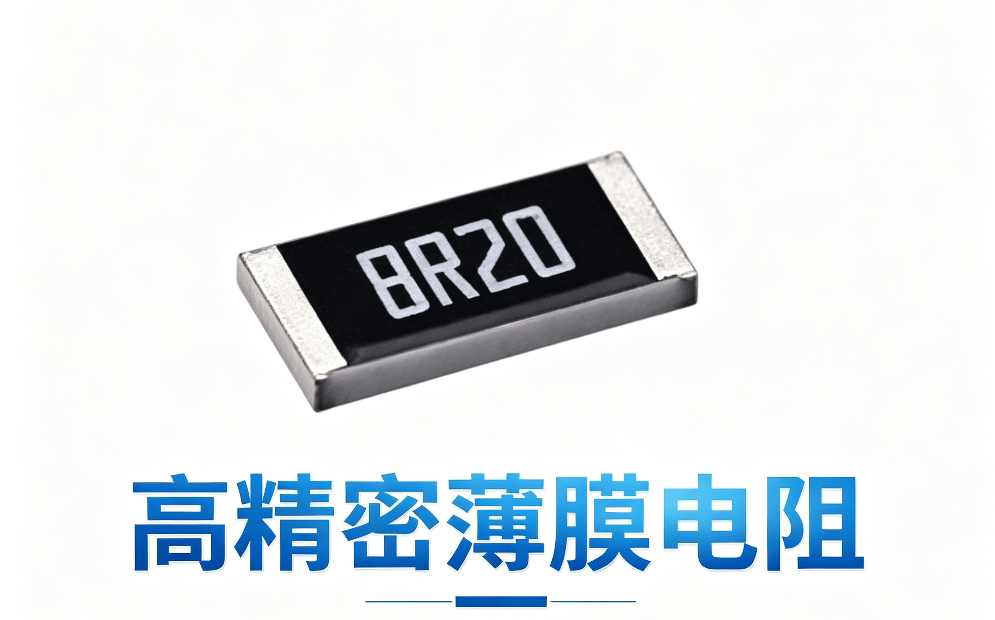
1. Actual Impact of TCR Parameters: Temperature Drift Constraints in Precision Instrument Error Budgets
TCR (Temperature Coefficient of Resistance) refers to the relative change in resistance value per 1°C change in ambient temperature, measured in ppm/°C. A nominal TCR of ±25ppm means that for every 1°C fluctuation in temperature, the change in resistance value does not exceed 25 parts per million.
Taking a 10kΩ resistor as an example, within the common industrial temperature range of -40°C to 85°C (a temperature difference of 125°C), the deviation in resistance value varies significantly across different TCR grades:
- Standard Thick-Film Resistors (TCR ±200ppm): Maximum resistance deviation can reach 250Ω
- High-Precision Thin-Film Resistors (TCR ±25ppm): Maximum resistance deviation is only 31.25Ω
For precision instruments with accuracy classes of 0.1% or 0.05%, the temperature drift of standard thick-film resistors can consume most of the error budget, directly limiting overall device accuracy. Therefore, the higher the precision requirement, the more critical it is to include resistor TCR as a core selection metric.
2. Process Foundations for Low Temperature Drift in Thin-Film Resistors
Although both are surface-mount resistors, thick-film resistors struggle to stably control TCR within ±50ppm, whereas thin-film resistors can easily achieve ±25ppm, ±10ppm, or even lower temperature drift. This fundamental difference stems from distinct manufacturing processes and material systems.
High-precision thin-film resistors utilize vacuum sputtering technology to deposit metal alloy films with nanometer-level thickness onto high-purity ceramic substrates. The uniformity and density of these films are far superior to those of thick-film resistors formed via printing and sintering. Subsequent laser trimming allows for precise correction of resistance values, ensuring ultra-high accuracy of ±0.1% or ±0.05% while maintaining consistent and precise control over the temperature coefficient.
Additionally, the material characteristics of thin-film resistors are better suited for precision applications:
- The inherent noise of metal alloy films is significantly lower than that of glass-glaze pastes used in thick-film resistors, making them suitable for weak signal acquisition circuits;
- The dense film structure offers strong resistance to aging and load shocks, resulting in minimal long-term resistance drift and ensuring accuracy reliability after years of instrument use.
From a process principle perspective, thin-film technology is the mainstream mature route for achieving high-precision, low-temperature-drift resistors.
3. Practical Applications of TCR 25ppm Thin-Film Resistors in Precision Instruments
For general-purpose precision instruments, selecting high-precision thin-film resistors with TCR ±25ppm goes beyond improving parameter specs; it also optimizes cost and efficiency throughout the product lifecycle.
1. Controllable Accuracy Across Full Temperature Range, Reduced Environmental Dependency
From laboratory constant-temperature environments to industrial sites with fluctuating temperatures, low-TCR resistors ensure the stability of sampling and voltage divider circuits. This allows instruments to maintain rated accuracy over a wide temperature range, reducing reading errors caused by temperature changes and lowering field calibration and debugging costs.
2. Excellent Batch Consistency, Compressed Mass Production Calibration Time
Parameter dispersion in high-precision thin-film resistors is much lower than in standard resistors, with highly consistent TCR and tolerance values within the same batch. During mass production, there is no need to individually screen and pair resistors or perform separate calibrations for unit-specific variations, significantly boosting production efficiency and reducing manufacturing costs.
3. Strong Long-Term Stability, Reduced After-Sales Maintenance Costs
After shipment, long-term resistance drift directly impacts device accuracy. TCR 25ppm grade thin-film resistors offer excellent load stability, moisture resistance, and aging resistance, maintaining stable resistance values over time. This effectively extends equipment calibration cycles and lowers costs associated with repairs and calibration services.
4. Suitable for Weak Signals, Improved Detection Resolution
Combined with low-noise characteristics, low-temperature-drift thin-film resistors are ideal for front-end small-signal acquisition circuits in precision instruments. They reduce baseline drift caused by temperature fluctuations, thereby enhancing detection resolution and signal-to-noise ratio.
TCR ±25ppm thin-film resistors can be applied in general measuring instruments like multimeters and oscilloscopes, industrial sensing devices such as pressure and temperature transmitters, and medical testing equipment including biochemical analyzers and ECG devices, providing foundational component support for overall system accuracy.
4. How to Select Low Temperature Drift Resistors?
Key considerations when selecting low temperature drift resistors include:
- Confirm TCR Operating Temperature Range: Even if nominally marked as ±25ppm, some products only cover the 25°C~75°C room temperature range, while others cover the full -55°C~125°C range. For instruments used in industrial-grade or outdoor scenarios, verify TCR metrics under wide temperature conditions.
- Match Resistance Accuracy with TCR: If the resistor's initial tolerance is ±1%, even with a TCR of ±25ppm, the initial accuracy may not meet high-precision requirements. It is recommended to select resistors with ±0.1% or better accuracy for high-precision instruments to form a complete accuracy assurance solution.
- Focus on Long-Term Stability: Meeting initial parameters does not guarantee long-term reliability. Pay attention to reliability indicators such as load life and moisture resistance, which directly affect the instrument's ability to maintain accuracy over time.
- Avoid Self-Heating Induced Drift: Choose the appropriate package size based on actual circuit power requirements to prevent self-heating during operation, which combines with ambient temperature to create additional resistance drift.
In Conclusion
The overall accuracy of precision instruments is limited by the performance ceiling of each basic component. High-precision thin-film resistors with TCR ±25ppm serve as essential passive components in circuits, playing a critical role in ensuring system accuracy and reliability.
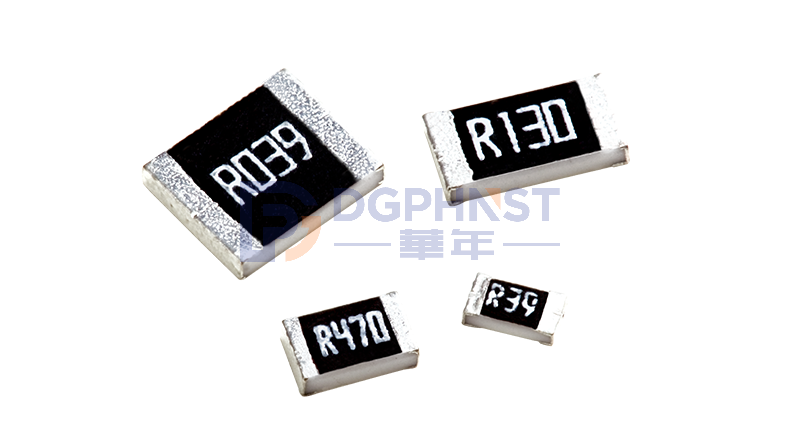
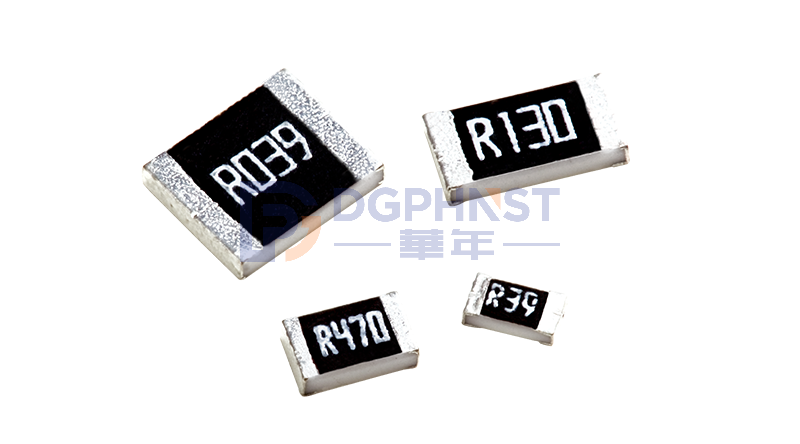
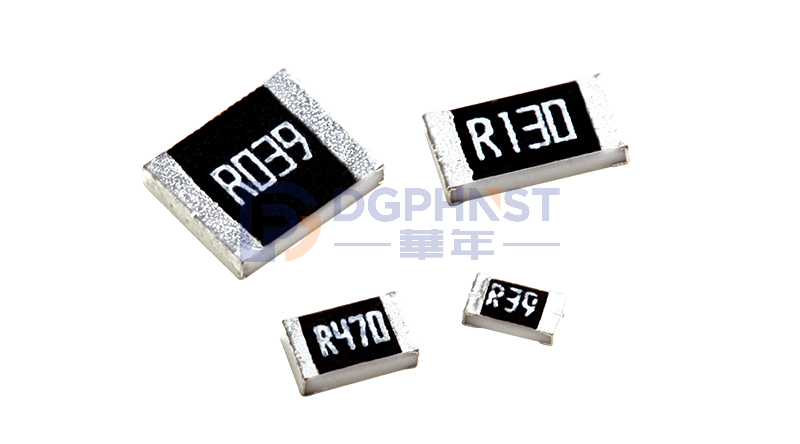
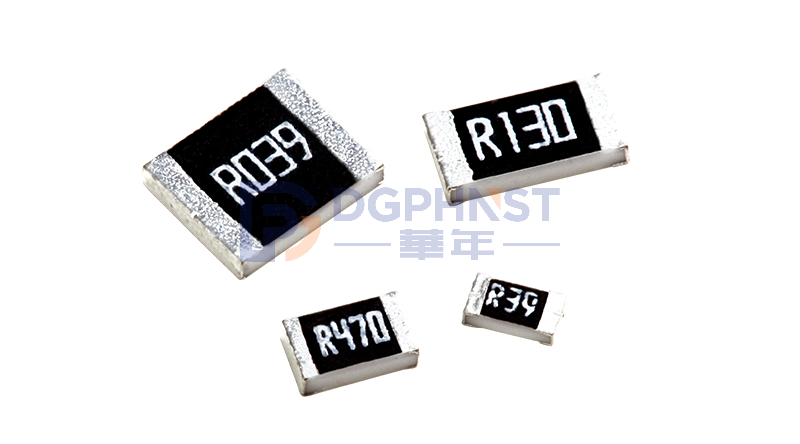
Shunhai Technology specializes in high-precision passive components, offering a full series of TCR ±25ppm high-precision thin-film resistors. Products cover mainstream packages such as 0402, 0603, and 0805, featuring wide resistance ranges and comprehensive reliability metrics. They have been widely applied in general precision instruments, industrial sensing, and medical testing fields.
If you encounter accuracy issues caused by resistor temperature drift, contact Shunhai Technology for detailed datasheets, free samples, and technical selection support.