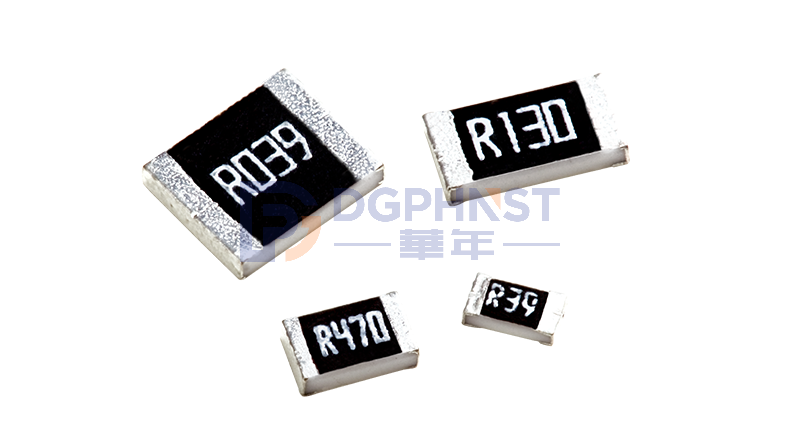
In electronic components, carbon film resistors and metal film resistors are two common types, but when it comes to the most widely used and cost-effective resistor types, thick film surface mount resistors (such as 0805 and 0603 packages) and metal film direct insertion resistors have more advantages. The following is a specific analysis:
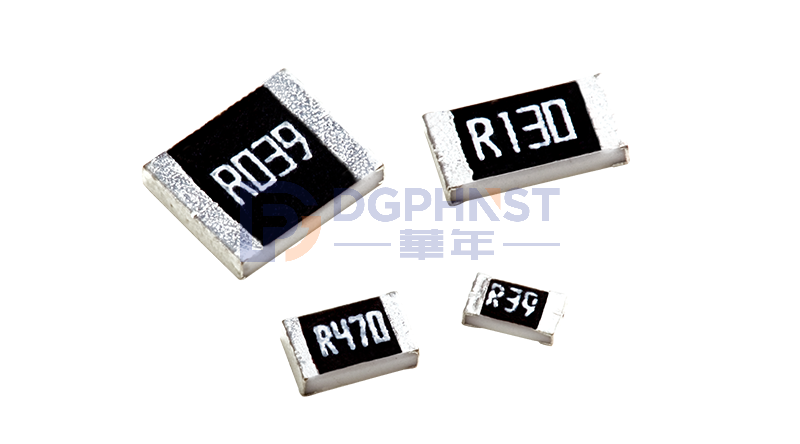
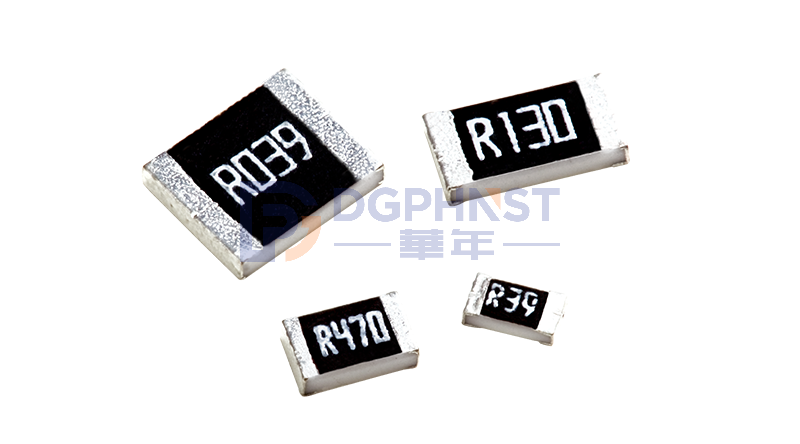
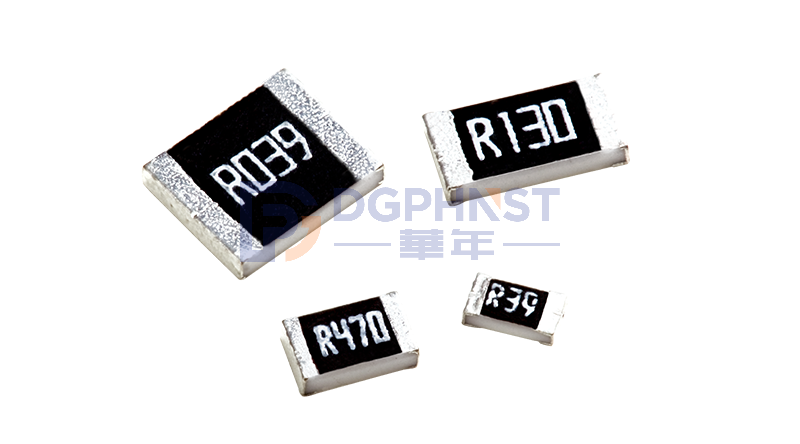
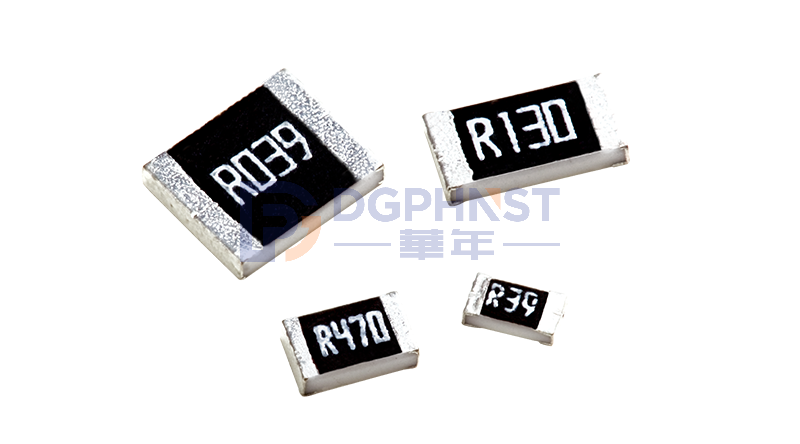
Thick film surface mount resistor (mainstream choice)
Application scenarios: Modern high-density circuits such as smartphones, computer motherboards, and consumer electronics products.
Advantages:
Extremely low cost: using screen printing technology, high material utilization rate, suitable for large-scale production.
Small size: Surface mount packaging (such as 0603/0402) saves circuit board space and is suitable for automated soldering.
Performance balance: Accuracy can reach 1%~5%, temperature coefficient within ± 200ppm/℃, meeting the needs of most scenarios.
Adequate supply: The global annual usage exceeds one trillion pieces, the industrial chain is mature, and the unit price is as low as 0.001 yuan (1 centimeter) or less.
Limitations: Low power (commonly 1/16W~1/4W), weaker high-frequency performance than thin film resistors.
Metal film direct insertion resistor (classic and practical)
Application scenarios: power circuits, industrial control equipment, instruments and meters, and other scenarios that require high precision and stability.
Advantages:
High precision: The error can be controlled within 0.5%~1%, and the temperature coefficient is as low as ± 50ppm/℃.
Low noise: Compared to carbon film resistors, metal film materials have lower current noise.
Outstanding cost-effectiveness: The price is slightly higher than that of carbon film resistors (about 0.1-0.5 yuan/piece), but the performance improvement is significant.
Limitations: Direct insertion packaging occupies a large PCB area and is gradually being replaced by surface mount resistors.
Why not choose other types?
Carbon film resistor: Although the cost is low (about 0.05 yuan/piece), the accuracy is low (5%) and the temperature coefficient is poor (± 500ppm/℃), which has gradually withdrawn from the mainstream market.
Wire wound resistor: High power but bulky in size, expensive, only used in high current scenarios.
Precision thin film resistor: Excellent performance but high cost (tens of yuan/piece), limited to high-end instrument use only.
Preferred thick film surface mount resistor: Its extremely low cost and adaptability to automated production make it the most widely used and cost-effective choice in consumer electronics and general circuits.
Alternative metal film direct insertion resistor: If the design requires compatibility with manual welding or precision requirements, metal film resistors are still a cost-effective choice.
Two types of resistors occupy over 80% of the global market share, covering requirements ranging from low cost to medium to high performance, and are the "universal default options" for engineers.