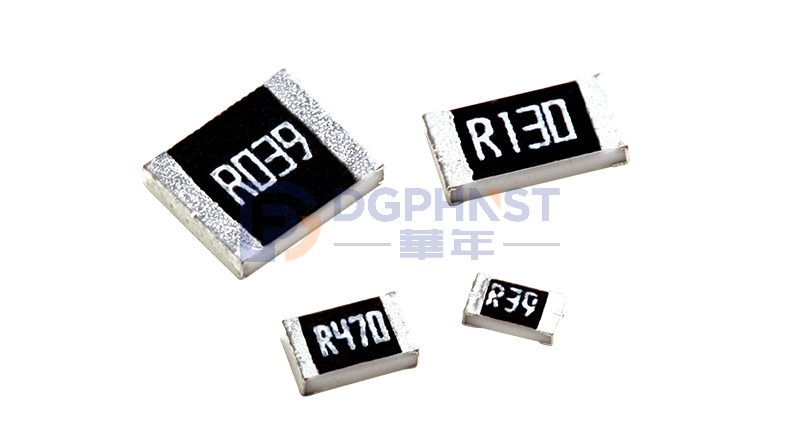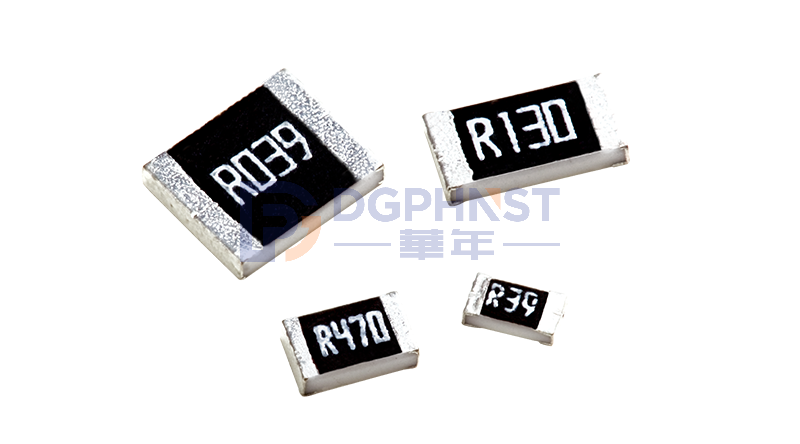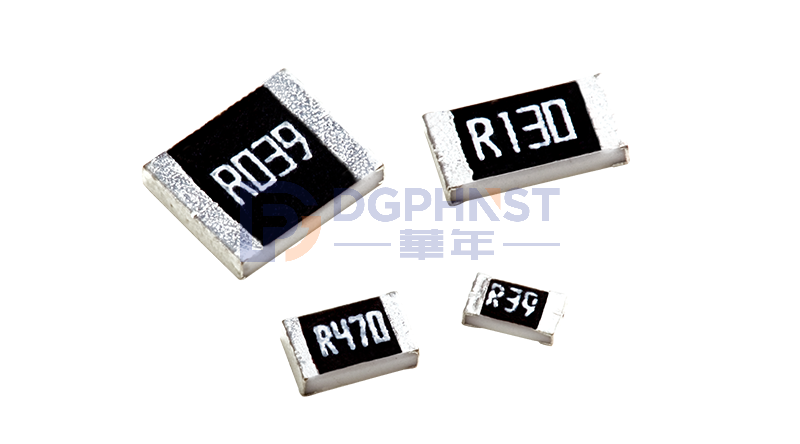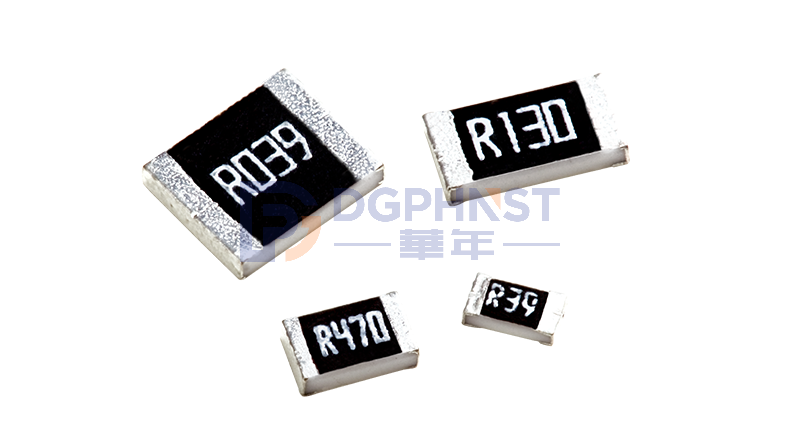
The following is an analysis of the application scenarios of low resistance sampling resistors made of different materials, combined with material characteristics and industry requirements for comprehensive explanation:
1. Manganin alloy
Characteristics: The resistivity is about 0.45 μ Ω· m, the temperature coefficient is extremely low (below ± 20 ppm/℃), the long-term stability is excellent (annual drift rate<0.1%), and the resistance to sulfide corrosion is strong.
Application scenarios:
Electric vehicle BMS system: Due to the need for high-precision current monitoring (resistance 0.1m Ω -10m Ω), the low-temperature drift characteristics of manganese copper can adapt to temperature fluctuations in the vehicle, ensuring safe battery charging and discharging.
Precision instruments and meters, such as high-precision multimeters and oscilloscopes, rely on their stability to achieve small current sampling (typical resistance of 2m Ω -1 Ω).
Medical equipment power management: used for current feedback control in MRI equipment and monitors to avoid temperature drift interference with vital sign data.
2. Constantan alloy
Characteristics: resistivity 0.49 μ Ω· m, temperature coefficient ± 50 ppm/℃, strong resistance to high current impact (power density up to 5W/1206 package), but high thermoelectric potential.
Application scenarios:
Industrial frequency converters and servo motors: withstand instantaneous current surges during motor start stop (resistance value 1m Ω -500m Ω), such as phase current sampling in PLC control systems.
Power management system: used for current sharing control in communication base station power supply and server power supply, reducing heat dissipation design pressure due to high power density.
Consumer Electronics Fast Charging Circuit: Suitable for high current scenarios with fast charging heads above 20A, with a cost lower than manganese copper and meeting basic accuracy requirements.
3. Iron chromium aluminum alloy (FeCrAl)
Characteristics: Outstanding high temperature resistance (working temperature 500 ℃), but with a large temperature coefficient (± 100 ppm/℃), and resistance values often higher than 0.5m Ω.
Application scenarios:
DC side detection of photovoltaic inverter: able to withstand outdoor high temperature environment and DC arc impact, combined with a four terminal structure to reduce inductance effect.
Industrial electric furnaces and heating equipment: Replace traditional resistors in high-temperature furnace current monitoring to avoid thermal failure.
Electric vehicle motor controller: used for overcurrent protection of motor drive bridge, with better resistance to instantaneous current than ceramic resistors.
4. Ceramic based composite materials (such as Al ₂ O ∝ based)
Features: Temperature coefficient as low as ± 5 ppm/℃, support ultra-low resistance (below 0.2m Ω), corrosion resistance, and sulfur resistance.
Application scenarios:
Vehicle electronic harsh environment: such as engine ECU and brake system sensors, maintain stability in oil and vibration environments.
Aerospace equipment: resistant to extreme temperature cycling (-55 ℃~200 ℃), used for satellite power supply current sampling.
High frequency switching power supply: low parasitic inductance characteristics suitable for MHz level switching frequencies, such as data center server power supply.
5. Nickel chromium alloy film (NiCr)
Features: The vacuum sputtering process achieves a precision of ± 0.01%, with a resistance range of 1 Ω -10k Ω and low power density.
Application scenarios:
Medical precision equipment, such as blood analyzers and ventilators, relies on high precision for voltage sampling to avoid medical errors.
Laboratory testing equipment: used for voltage reference division in high-precision ADC front-end circuits.
Summary of selection logic
Precision and temperature drift priority: Manganese copper or ceramic based materials are preferred for medical and automotive BMS;
Power and cost balance: Choose Kangtong for industrial high current scenarios and iron chromium aluminum for high-temperature environments;
Environmental adaptability: Ceramic substrates are used for corrosion/vibration scenarios, and low inductance design is required for high-frequency circuits.
Note: The actual selection requires comprehensive dimensions (such as 1206 package power of 1W), accuracy (± 0.5% - ± 1%), and installation method (optimized thermoelectric potential with four terminal structure).