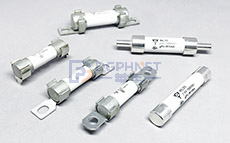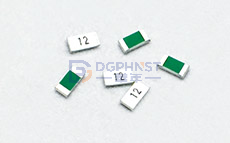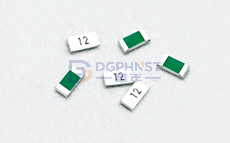
When the current in a circuit abnormally increases, the fuse will melt to cut off the current and protect the downstream equipment.
Why can a fuse melt? Joule heating effect
The melting of a fuse is not a mechanical break but a purely thermal process. Its core physical principle is Joule's law: Q=I²Rt.
When current passes through the fuse (a conductor), electrical energy is converted into thermal energy. The fuse is made of low-melting-point metal materials (such as silver, copper, zinc, or their alloys) and its cross-sectional area has been precisely calculated.
Normal operation: The heat generated by the current is dissipated to the environment through the housing and leads, achieving thermal equilibrium, and the fuse remains conductive.
Failure occurs: When the current exceeds the rated value (such as short circuit or severe overload), the heat generated increases sharply, and the rate of heat generation far exceeds the rate of heat dissipation. The accumulated heat rapidly raises the metal temperature to the melting point, causing the metal to change from solid to liquid, and eventually separate due to gravity or surface tension (melting), cutting off the fault current.
Three main causes of melting: Not just short circuits
Many people mistakenly believe that only "short circuits" can burn out fuses. In fact, according to the fault conditions, current characteristics, and damage mechanisms, the melting behavior can be divided into three categories:
1. Overload melting caused by time-current characteristics
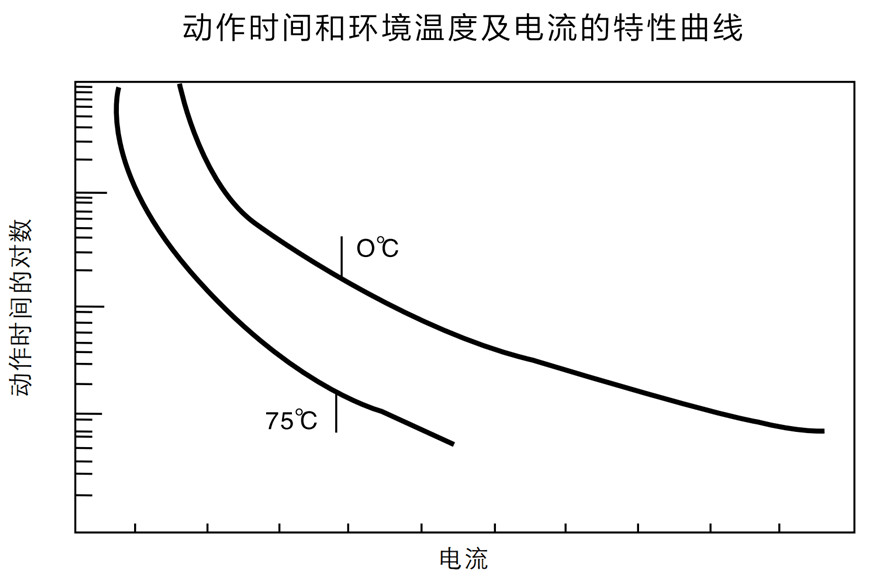
This is the most common non-short-circuit melting. When the power of the load in the circuit exceeds the rated value (such as motor jamming, excessive lamp power), the current slowly increases. Although it does not reach the level of short-circuit current, long-term heat accumulation exceeds the thermal tolerance threshold of the fuse, causing the fuse element to fatigue and melt.
2. Instantaneous melting caused by short-circuit faults
This is the most core and fastest protection method of the fuse. When the live wire comes into direct contact with the neutral wire (or ground wire), a huge impact short-circuit current (more than 10 times the rated current) is generated. At this time, the fuse melts rapidly within a few milliseconds, which is the fuse's "main task", preventing the line from catching fire.
3. Surge and pulse fatigue
This type of melting is not an emergency situation, but rather a melting caused by long-term operational wear. The surge current at the moment of circuit startup (such as switch power supplies, capacitive loads) itself does not directly melt the fuse, but frequent and high-intensity cold and hot shocks accelerate the thermal aging and mechanical fatigue of the internal metal structure of the fuse. Once cracks or grain coarsening occur inside the metal, even if the subsequent current is normal, it may cause abnormal melting due to increased resistance.
Fundamental principles and practical applications of fuses
Different specifications and types of fuses achieve different protective functions such as fast melting, delay, and current limiting through differentiated designs in structural design, material technology, and parameter standards.
1. Core structure of fuses
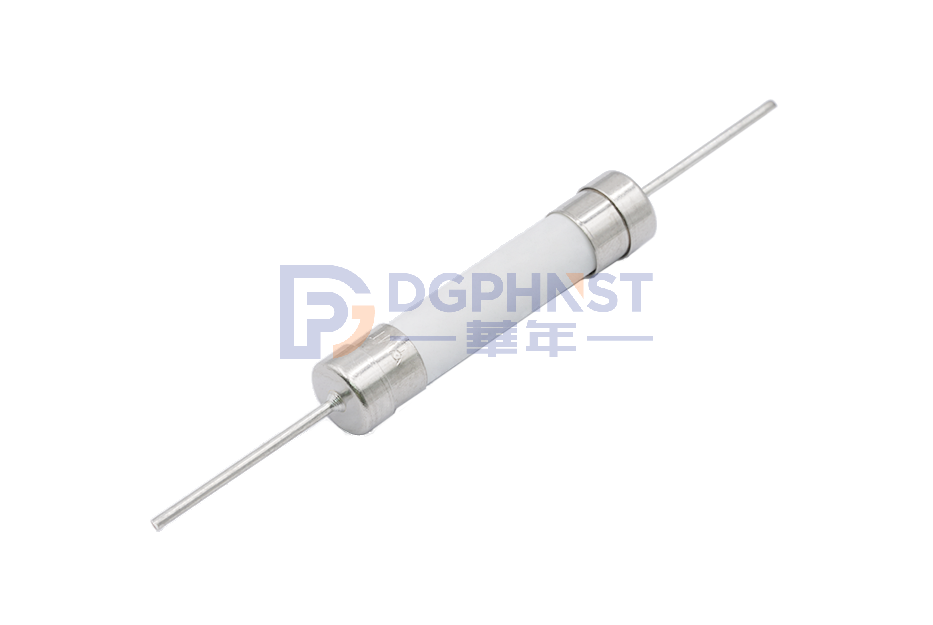
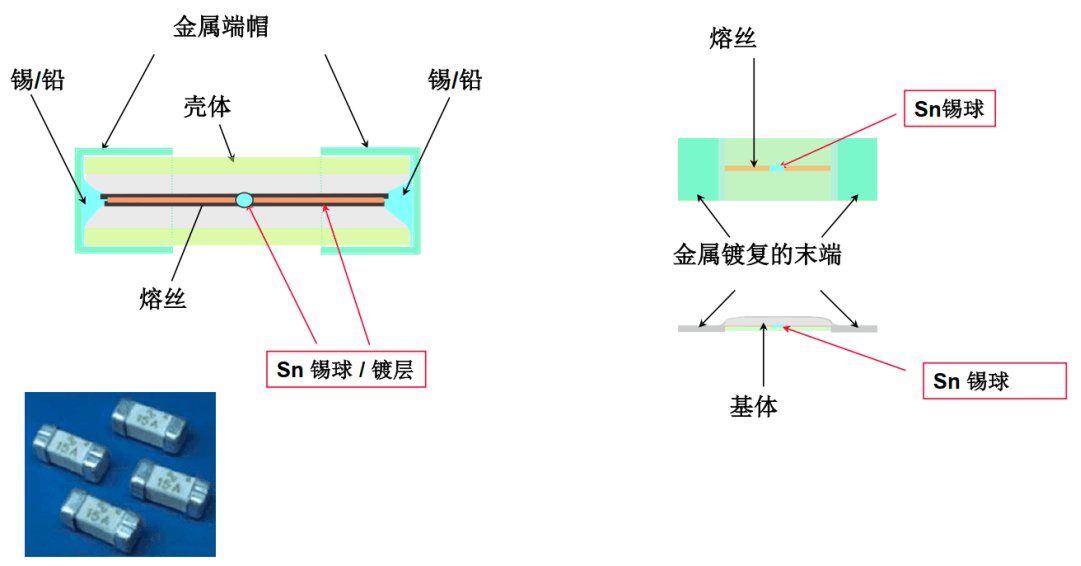
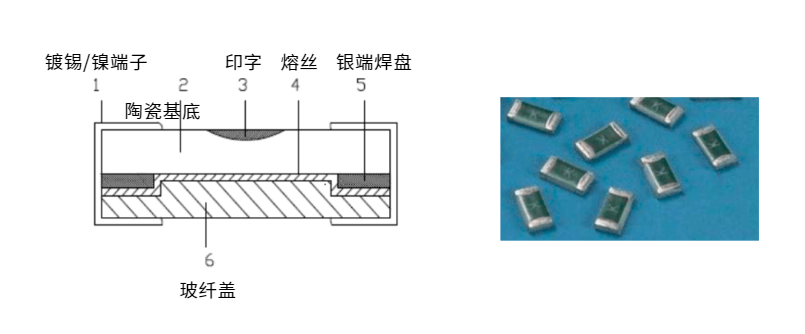
It consists of a fuse element, terminal electrodes, housing, and filling medium. Different structures determine their action characteristics and breaking capacity.
The fuse element is the core carrier for realizing thermal melting protection, directly determining the melting threshold and action speed; the terminal electrode ensures stable circuit conductivity; the housing and filling medium serve to insulate, extinguish arcs, and provide protection.
2. Melting process of fast-acting fuses
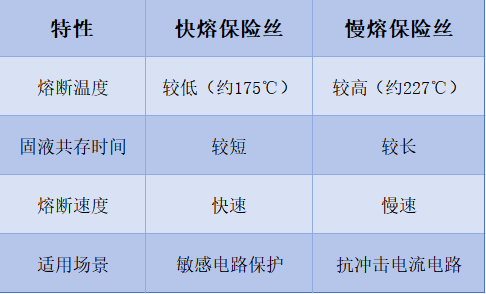
Fast-acting fuses do not have tin balls or coating structures internally, so due to their structural characteristics, they cannot work for a long time above 175~225°C, otherwise they are prone to oxidation of the fuse and degradation of material properties, leading to failure of protection.
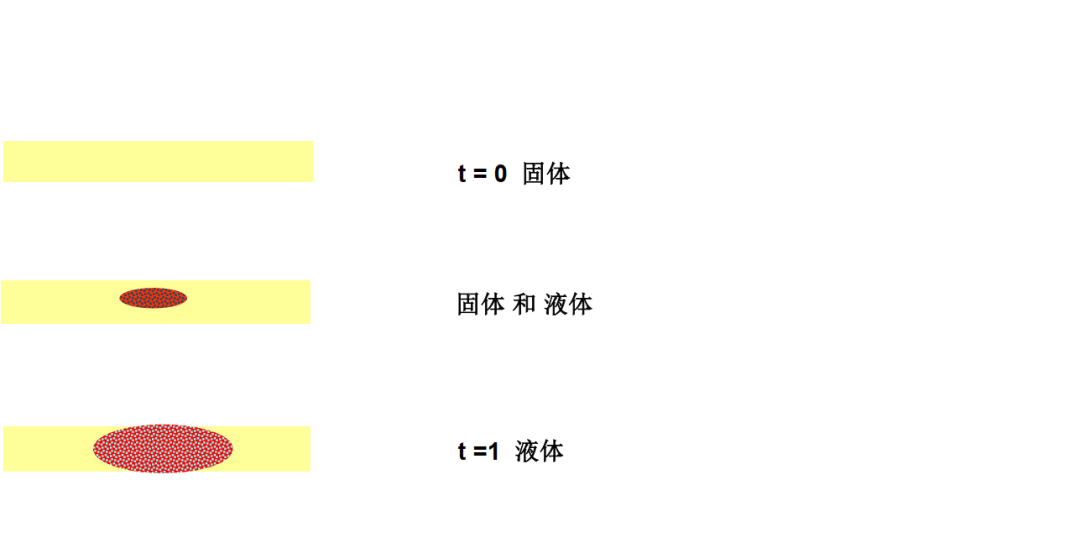
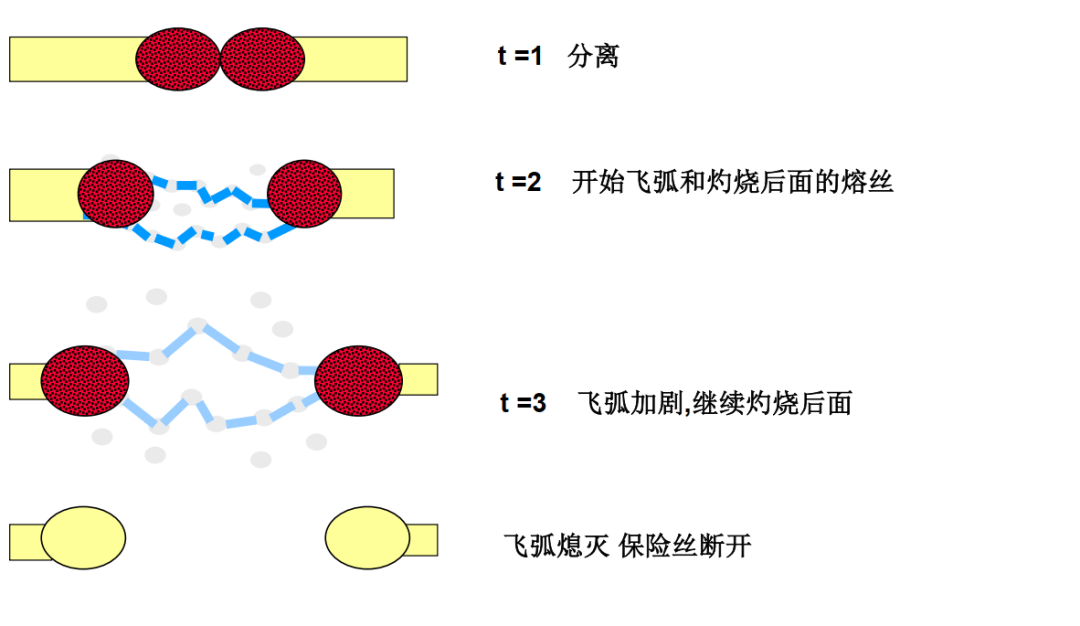
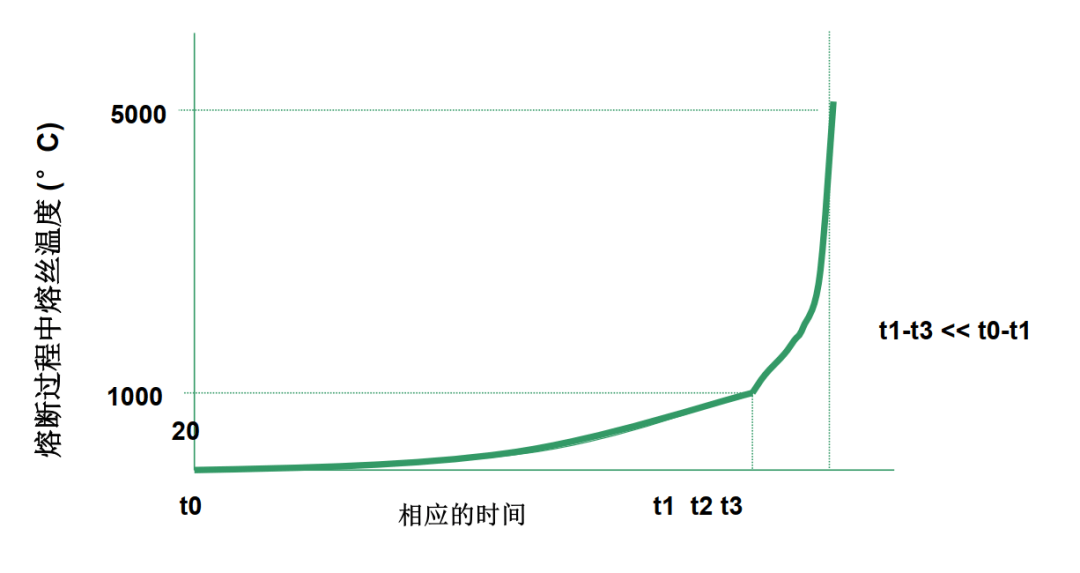
3. Melting process of delay fuses
Differing from fast-acting fuses, delay (slow-acting) fuses are designed for normal circuit startup surges and short-term minor overloads, featuring pulse resistance and delayed melting. Their delay mechanism relies on the principle of material diffusion: within the temperature range of 150~170°C, the diffusion mechanism of the fuse material starts, delaying the accumulation of heat and the melting speed of the fuse element, thereby achieving a delayed effect.
However, under extreme overload conditions, the heat accumulation is too fast for the diffusion mechanism to take effect, and the delay fuse will act quickly like a fast-acting fuse, cutting off the faulty circuit, thus fulfilling both anti-mis-triggering and fault protection. To slow down material aging and extend service life, the long-term operating temperature of slow-acting fuses should be kept below 150°C.
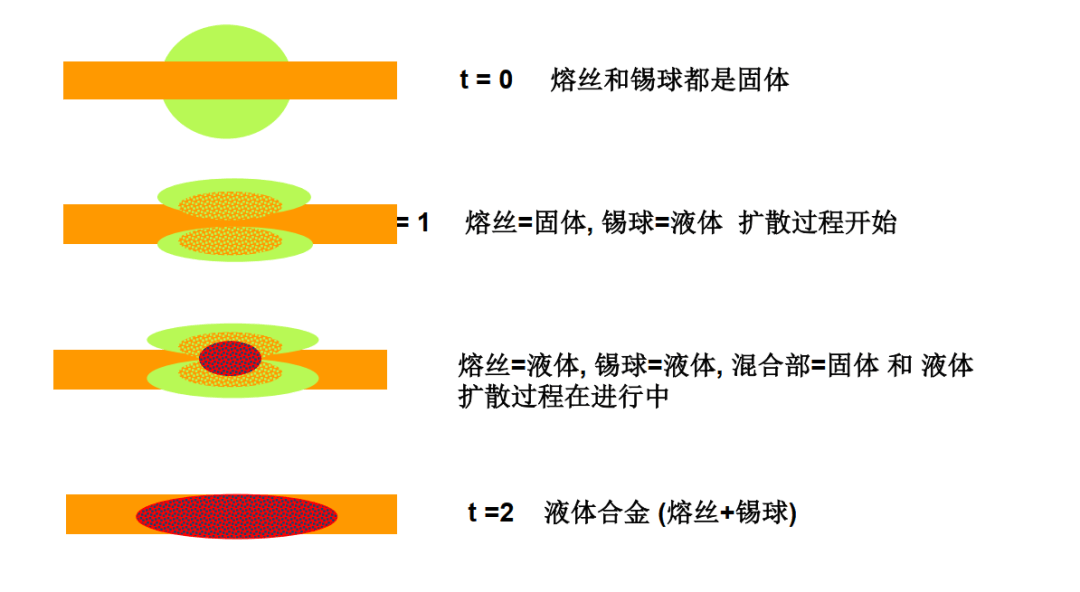
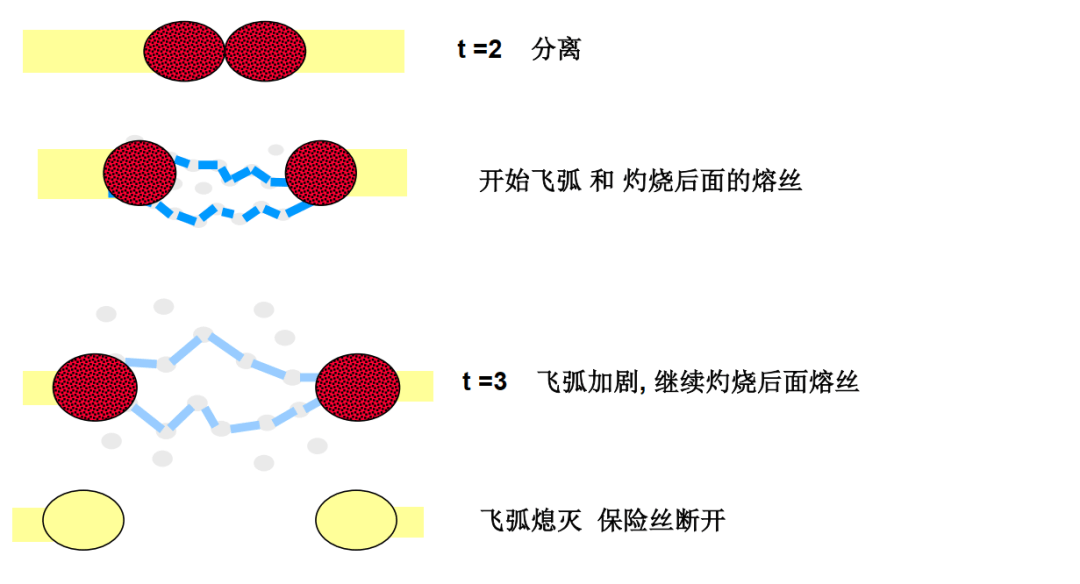
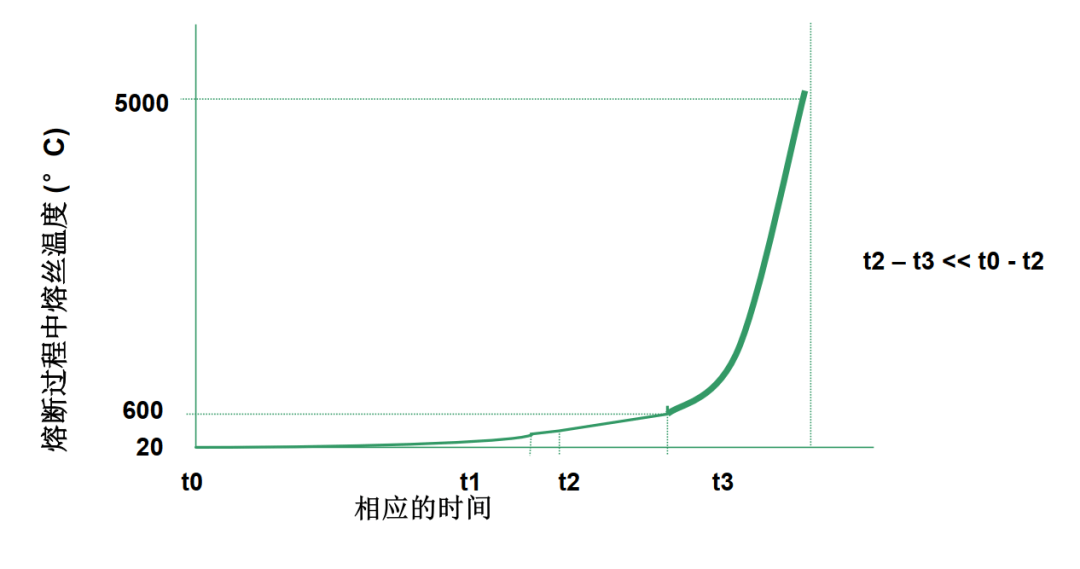
Comparison between fast-acting and slow-acting fuses:
4. Current-limiting fuses
Based on different melting action characteristics, current-limiting fuses have unique advantages in adapting to different working conditions.
Ordinary fuses need to wait until the current peak reaches the threshold before melting, while current-limiting fuses can quickly suppress the continuous increase of the peak current during the initial stage of the fault current, significantly reducing the pressure load on the circuit lines and electrical equipment, and reducing system fault stress. This characteristic makes them the preferred solution for harsh working conditions such as high-voltage circuits and high short-circuit capacity scenarios.
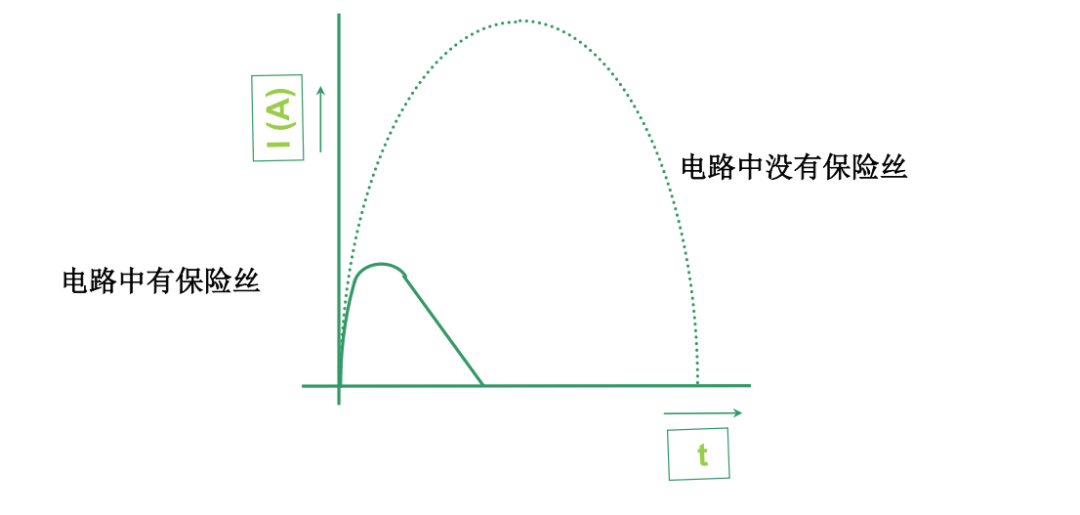
With each upgrade in power technology, the simultaneous evolution of circuit protection components is essential. As high-voltage and intelligent devices become widely adopted, the requirements for the accuracy, response speed, and durability of overcurrent protection will only continue to rise.
As an irreplaceable basic protective component, the fuse industry still has ample room for technological upgrades and market expansion, continuously supporting the electrical safety of the entire industry chain with small components. Shunhai Technology is the core authorized agent of three major fuse brands: Huade, Luhai, and Liangsheng, providing original factory technical support, sufficient inventory, and professional FAE one-on-one selection solutions. If you have any needs for component selection or supply, please consult us.