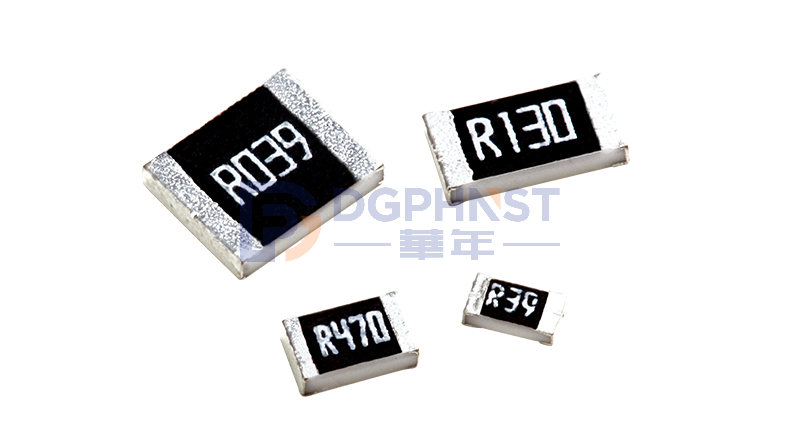
Humidity is a critical environmental factor affecting the performance and lifespan of alloy resistors during electronic device operation. Enhancing moisture resistance in alloy resistors is essential for ensuring the reliability and stability of electronic equipment. As a leading agent in the alloy resistor industry, Shenzhen Shunhai Technology Co., Ltd. has a deep understanding of the key factors in improving moisture resistance. Huannian Mall, as a professional online platform, also helps customers obtain alloy resistor products with excellent moisture resistance.
Material selection is the foundation
Alloy Composition: Certain alloys inherently possess superior moisture resistance. For instance, alloys rich in elements like nickel and chromium readily form a dense oxide layer on their surface. This protective oxide layer acts as a natural barrier, effectively preventing moisture penetration and reducing the likelihood of chemical reactions between water vapor and the alloy's internal metals. Consequently, this enhances the moisture-resistant properties of alloy resistors. Nickel-chromium alloy resistors, for example, maintain better performance stability in humid environments compared to conventional alloy resistors.
Impurity content: Impurities in raw materials pose a significant threat to moisture resistance. These contaminants can disrupt the alloy's original microstructure, creating microscopic voids or defects that allow water vapor to penetrate. Moreover, impurities may participate in electrochemical corrosion reactions, accelerating the degradation of electrical resistance. Therefore, selecting high-purity alloy materials and minimizing impurity levels are crucial steps to enhance the moisture resistance of alloy resistors.
Packaging Technology is the Key
Encapsulation Material Properties: The selection of encapsulation materials directly determines their moisture barrier performance. Epoxy resin, a widely used encapsulation material, offers excellent sealing and moisture resistance. It tightly encases alloy resistors, forming a robust barrier that effectively prevents moisture contact with the resistor core. Additionally, ceramic encapsulation materials excel in moisture resistance due to their high hardness, low water absorption, and chemical stability, making them ideal for electronic devices with stringent moisture-proof requirements.
Encapsulation Integrity: Even with premium encapsulation materials, moisture may still penetrate the resistor's interior if defects like bubbles, cracks, or poor sealing occur during encapsulation. Therefore, ensuring encapsulation integrity is critical. Advanced encapsulation equipment and rigorous process control can significantly reduce defects and maintain airtightness, thereby enhancing the moisture resistance of alloy resistors. For instance, vacuum encapsulation effectively eliminates air during the process, minimizes bubble formation, and improves encapsulation quality.
Surface treatment is a supplement
Moisture-proof coating application: Applying a moisture-resistant coating to alloy resistors is an effective method to enhance their moisture resistance. This coating forms a continuous and uniform protective layer on the resistor surface, significantly improving its barrier against water vapor. Common materials include silicone-based coatings and acrylic paints. These coatings not only provide excellent moisture resistance but also offer insulation and wear resistance, ensuring no adverse effects on the electrical performance of the resistors.
Chemical plating treatment: This process applies a moisture-resistant metal or compound layer to alloy resistors, serving as a key method to enhance moisture-proof performance. For instance, the nickel plating forms a dense metallic film on the resistor surface, effectively blocking water vapor penetration. Additionally, the nickel layer improves the resistor's oxidation resistance, thereby enhancing its stability in humid environments.
Production environment control is the guarantee
Humidity and Cleanliness Control: During the production of alloy resistors, the humidity and cleanliness of the manufacturing environment significantly impact their moisture resistance. High humidity can cause water vapor to adhere to the surface or penetrate the interior during production, while dust particles and other impurities may act as condensation centers, accelerating corrosion. Therefore, maintaining strict humidity control at low levels and ensuring environmental cleanliness in the workshop effectively reduces the adverse effects of moisture and impurities on resistors, thereby enhancing their moisture resistance.
Drying Treatment: Throughout the resistor manufacturing process, implementing proper drying procedures for raw materials, semi-finished products, and finished components effectively removes moisture. For instance, pre-packaging high-temperature baking of resistors eliminates water vapor, followed by immediate packaging to prevent moisture ingress. This in-process drying treatment serves as a critical safeguard to enhance the moisture resistance of alloy resistors.
Moisture-proof Advantages of Shenzhen Shunhai Technology Co., Ltd.
As a leading distributor in the alloy resistor industry, Shenzhen Shunhai Technology Co., Ltd. has a deep understanding of the key factors for enhancing moisture resistance. The company collaborates with premium suppliers, rigorously controlling every aspect from material selection and packaging techniques to surface treatment and production environment management. All alloy resistor products undergo meticulous selection and quality testing, ensuring exceptional moisture resistance. Shunhai Technology's professional technical team provides customized moisture-proof solutions tailored to specific application scenarios, helping customers select the most suitable alloy resistor products to ensure stable operation of electronic devices in humid environments.
Huannian Mall helps to obtain moisture-proof alloy resistance
As a professional online platform for electronic components, Huannian Mall showcases a wide range of moisture-resistant alloy resistors from Shenzhen Shunhai Technology Co., Ltd. On the platform, customers can explore detailed information about each product, including its moisture resistance features, technical specifications, and real-world applications. The mall provides user-friendly search and filter tools, enabling customers to quickly find suitable products based on their specific requirements for moisture resistance levels and applicable humidity ranges. Additionally, Huannian Mall's comprehensive after-sales service system ensures a worry-free shopping experience, giving customers peace of mind when purchasing these moisture-resistant alloy resistors.
Summary
Enhancing the moisture resistance of alloy resistors requires addressing multiple critical factors, including material selection, packaging techniques, surface treatment, and production environment control. As electronic devices expand their application scenarios, the demand for superior moisture resistance in alloy resistors continues to rise. Leveraging its professional expertise and the streamlined procurement platform of Huannian Mall, Shenzhen Shunhai Technology Co., Ltd. is poised to play a pivotal role in meeting the market's growing need for moisture-resistant alloy resistors. With ongoing advancements in material science and manufacturing processes, more sophisticated and effective methods to improve moisture resistance are expected to emerge, enabling these components to better withstand complex and ever-changing humid environments.