Title: Can the 1% resistor of 1206 1R directly replace the 5% resistor of 1206 1R? The key is here
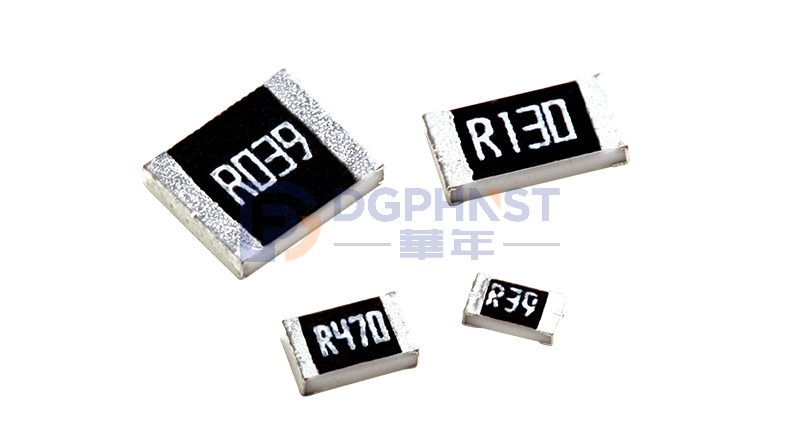
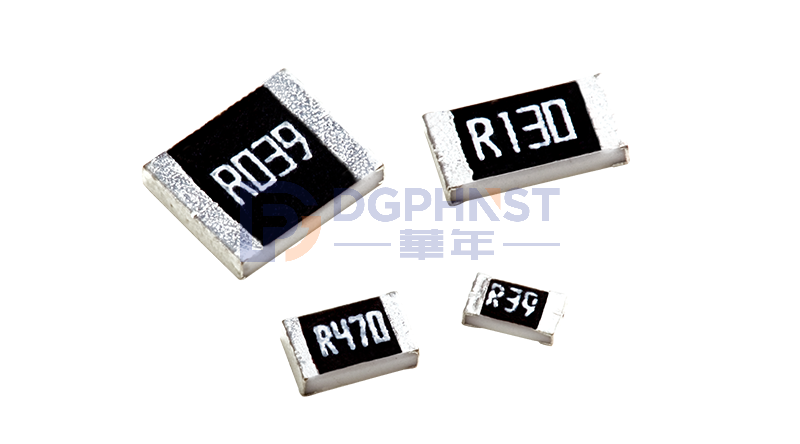
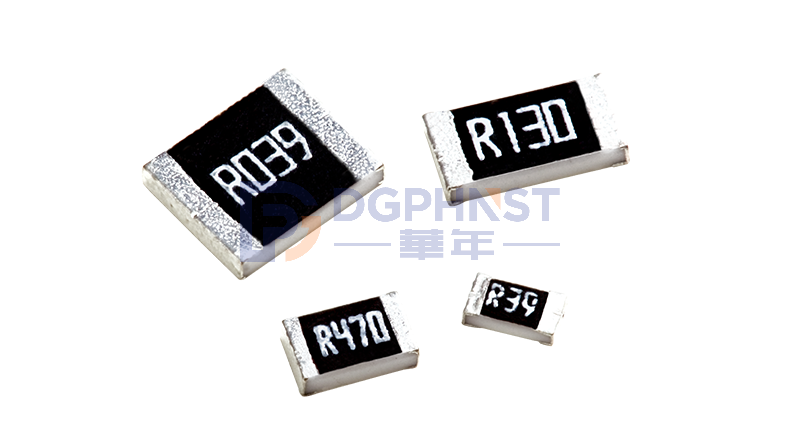
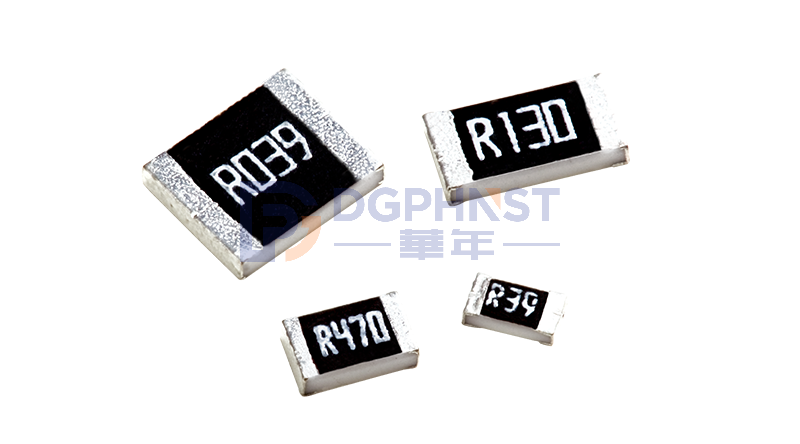
In electronic maintenance or project production, we may not have identical components on hand. A common question is: can the 1% resistor of 1206 1R be used to replace the 5% resistor of 1206 1R? On the surface, they are all 1 ohm 1206 package resistors, which seem interchangeable. But in reality, this replacement is not always' worry free '.
To answer the question of whether 1% of 1206 1R can replace 5% of 1206 1R, we need to deeply understand the core difference between the two - accuracy.
Core difference: What does precision represent?
The precision (or tolerance) of a resistor indicates the allowable range within which its actual resistance deviates from the nominal resistance.
1206 1R 5%: indicates that the actual resistance of this resistor may be between 0.95 ohms and 1.05 ohms.
1206 1R 1%: indicates that the actual resistance of this resistor is more strictly controlled between 0.99 ohms and 1.01 ohms.
Obviously, the 1% precision 1206 1R resistor has much better resistance accuracy than the 5% precision version. So, does this mean that high-precision can unconditionally replace low precision?
The answer is: in the vast majority of cases, 1% of 1206 1R can directly replace 5% of 1206 1R.
Why can it be replaced?
1. Performance compatibility: Using a 1206 1R 1% resistor with higher accuracy and usually better quality to replace a 1206 1R 5% resistor with looser requirements will only make the circuit more precise and stable in terms of electrical performance. It ensures that the calculated value of the current is closer to the theoretical value.
2. Physical compatibility: Both are packaged in "1206", which means their size and pad footprint are exactly the same and can be directly soldered onto existing PCB pads without any circuit board modifications.
Exceptions to be noted
Although replacement is usually feasible, in certain specific scenarios, we need to consider one more step:
1. Cost considerations: Typically, a 1% precision 1206 1R resistor is slightly more expensive than a 5% precision 1206 1R resistor. If your application scenario is completely insensitive to resistance accuracy (such as ordinary LED current limiting, pull-up/pull-down resistors), then using a cheaper 5% resistor is a more economical choice. Replacing with high-precision ones may result in unnecessary cost waste, although the functionality is not a problem.
2. Special circuit applications: There are very few very special circuit designs whose stability may depend on the inherent "imprecision" of the components. For example, some old-fashioned analog circuits or circuits that intentionally exploit component errors. But in the vast majority of modern digital and conventional analog circuits, this situation is extremely rare.
Conclusion
In summary, when you have a 1206 1R 1% resistor on hand and need a 1206 1R 5% resistor on the circuit board, you can confidently replace it. This replacement from low precision to high precision is safe and reliable, does not have a negative impact on circuit functionality, but instead improves the accuracy of parameters.
However, when making bulk purchases for new projects, if the circuit design does not have strict requirements for the accuracy of 1 ohm resistors, choosing the lower priced 1206 1R 5% resistor is undoubtedly a more cost-effective solution. I hope this analysis can help you better understand the replacement issue of the 1206 1R resistor.