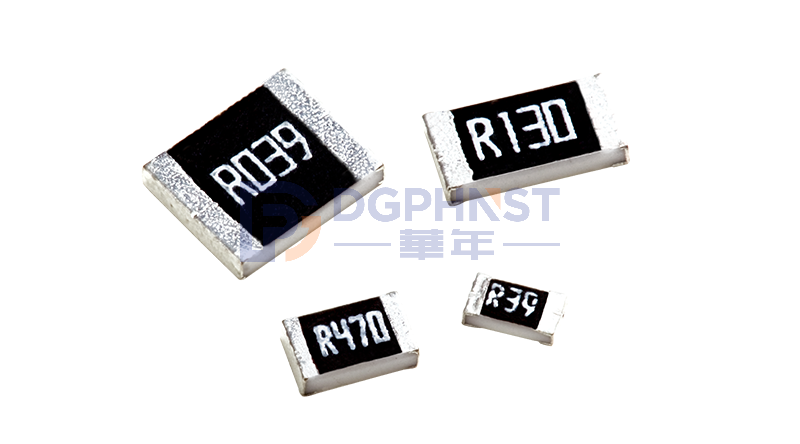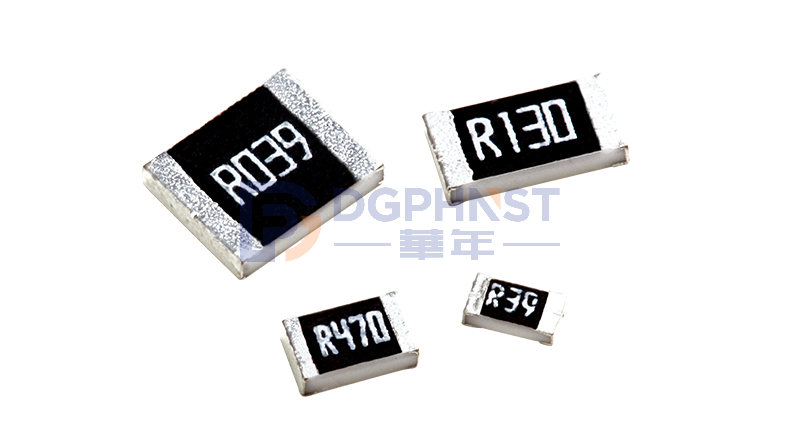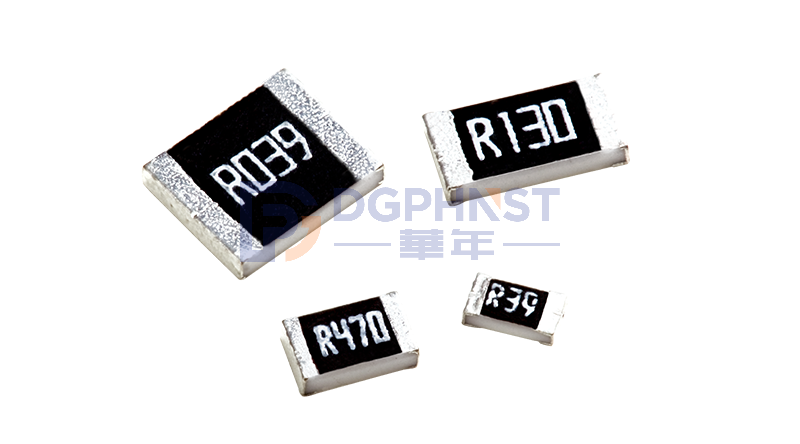
In fields requiring extreme precision in electronic circuits—such as precision measurement instruments, high-end medical equipment, and aerospace electronics—high-precision alloy resistors are indispensable. Their accuracy directly determines the system's reliability and performance. As a leading distributor in the alloy resistor industry, Shenzhen Shunhai Technology Co., Ltd. possesses specialized expertise in precision control. Meanwhile, Huannian Mall, a professional e-commerce platform, streamlines access to these high-precision components.
Measurement Standard of High Precision Alloy Resistance
The accuracy of high-precision alloy resistors is typically measured by the percentage deviation between their actual resistance value and the nominal value. For example, a resistor with a nominal resistance of 100Ω and an accuracy of ±0.1% will have an actual resistance ranging from 99.9Ω to 100.1Ω. A smaller deviation range indicates higher precision, making it more suitable for circuit designs requiring extremely high resistance accuracy.
Common High-Precision Alloy Resistors and Their Achievable Accuracy Levels
±0.1% accuracy rating: Alloy resistors with ±0.1% precision are widely used in industrial-grade precision measurement equipment. For example, in high-precision electronic balances, the internal circuitry requires accurate measurement of minute current variations to determine object mass. In such scenarios, ±0.1% precision alloy resistors effectively minimize measurement errors and ensure result accuracy. This level of precision is achieved through strict control of material purity, manufacturing processes, and rigorous quality screening during production.
±0.05% Precision Rating: In high-end medical equipment such as MRI systems, alloy resistors with ±0.05% precision are commonly employed. Given the stringent signal accuracy requirements of MRI devices, even minor resistance deviations can compromise imaging quality. The manufacturing process for these precision-grade alloy resistors demands rigorous material consistency and process stability, often utilizing advanced production techniques and quality control methods to ensure high resistance accuracy.
±0.01% Precision: Aerospace and aerospace electronic systems demand near-perfect reliability and accuracy from electronic components. Alloy resistors with ±0.01% precision are widely used in this field. For instance, signal processing circuits in satellite communication equipment require these ultra-precision alloy resistors to ensure accurate signal transmission and processing. Achieving ±0.01% precision depends not only on high-quality raw materials and advanced manufacturing techniques but also on production in ultra-clean environments, followed by multiple high-precision inspection processes to eliminate substandard products.
Factors Affecting the Accuracy of High-Precision Alloy Resistors
Material factors: The purity and compositional uniformity of alloy materials significantly affect resistance accuracy. High-purity alloys contain fewer impurities, effectively reducing resistance fluctuations caused by impurities. Moreover, consistent composition ensures uniform electrical performance across all resistance components, thereby enhancing precision. For instance, using ultra-pure manganese-copper alloy in resistance manufacturing can effectively improve accuracy.
Manufacturing Process: Every step from resistor molding, sintering to final packaging impacts precision. For instance, improper process control during molding may cause dimensional deviations, which in turn affect resistance accuracy. Sintering temperature and duration are equally critical—improper parameters can alter the alloy's microstructure, leading to unstable resistor performance.
Environmental factors: Temperature and humidity can affect the accuracy of high-precision alloy resistors. Temperature fluctuations may alter the resistance value, as even high-precision resistors exhibit temperature coefficients. Humidity can cause moisture accumulation within the resistor, impairing its electrical performance and reducing accuracy. Therefore, in high-precision applications, temperature compensation and moisture-proofing treatments are typically required.
Advantages of High Precision Alloy Resistance of Shenzhen Shunhai Technology Co., Ltd.
As a leading distributor in the alloy resistor industry, Shenzhen Shunhai Technology Co., Ltd. partners with renowned brands to deliver high-precision alloy resistors across multiple accuracy classes. The company maintains rigorous quality control throughout the entire production process, from raw material procurement to final product delivery, adhering to stringent quality standards. With specialized technical expertise in high-precision alloy resistors, Shunhai Technology provides customized selection guidance and technical support tailored to client requirements. Whether for cutting-edge research projects demanding exceptional precision or industrial applications requiring exacting accuracy, the company delivers reliable high-precision alloy resistor solutions that meet all specifications.
Hua Nian Mall helps to choose high precision alloy resistance
As a professional online platform for electronic components, Huannian Mall showcases the extensive high-precision alloy resistor product line of Shenzhen Shunhai Technology Co., Ltd. On the platform, customers can easily access detailed specifications of alloy resistors across various precision grades, including resistance ranges, temperature coefficients, and power ratings. The mall features an intuitive product comparison tool to help users quickly identify the most suitable high-precision alloy resistors. Additionally, Huannian Mall provides convenient online transaction services and comprehensive after-sales support, ensuring customers obtain high-quality high-precision alloy resistor products.
sum up
High-precision alloy resistors can achieve accuracy levels of ±0.01% or even higher, meeting the stringent precision requirements of various high-end applications. Their accuracy is influenced by multiple factors including material quality, manufacturing processes, and environmental conditions. Shenzhen Shunhai Technology Co., Ltd. leverages its professional expertise to provide premium high-precision alloy resistor products and technical support, while Huannian Mall streamlines the customer selection process. With continuous technological advancements, the demand for higher precision in alloy resistors is expected to rise. Future innovations in materials, manufacturing techniques, and advanced testing technologies will enable the production of even more precise alloy resistors, driving the electronics industry toward higher precision standards.