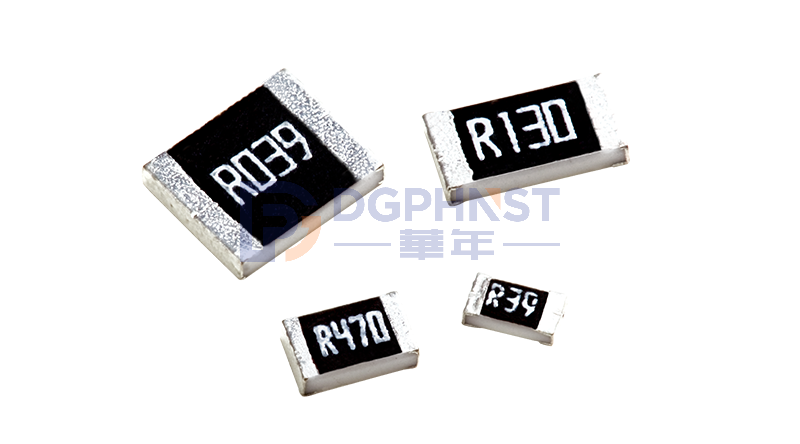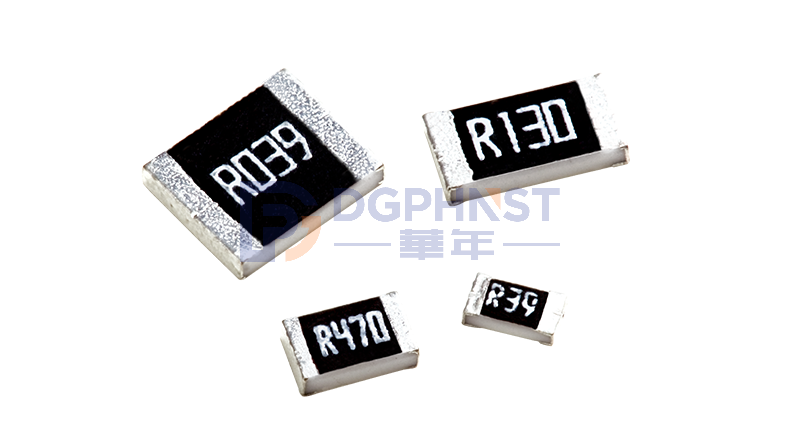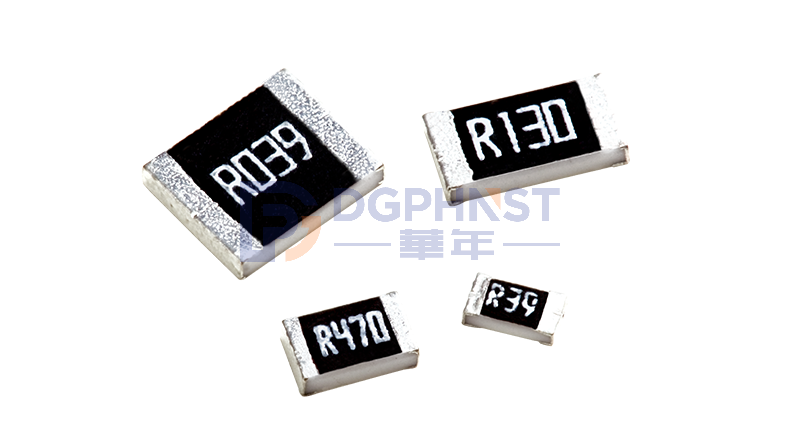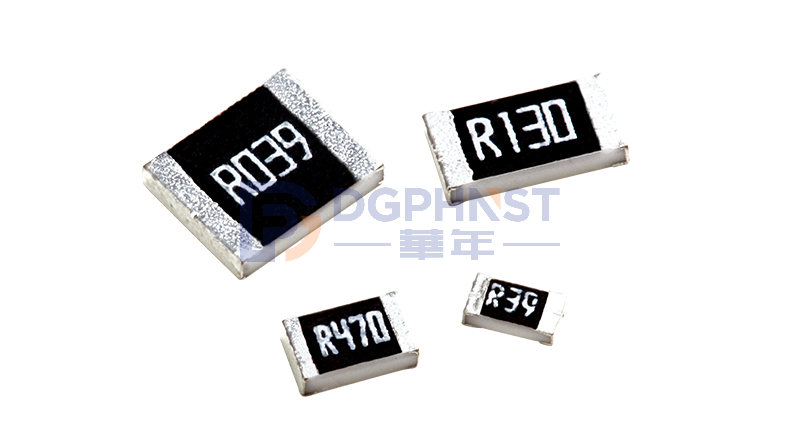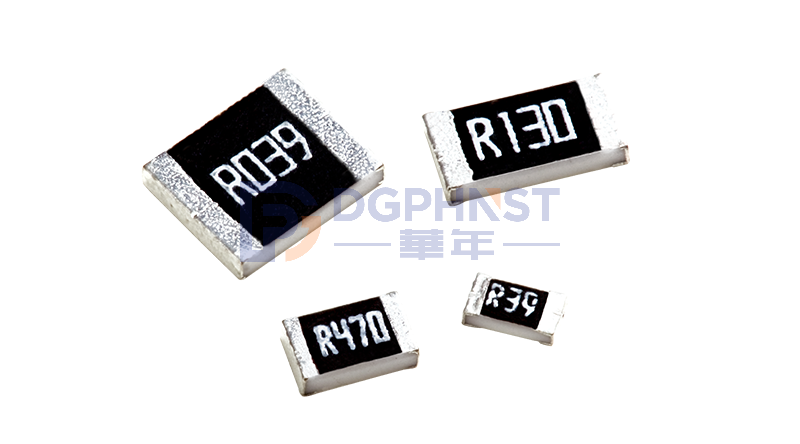
This is a frequently mentioned question, but the answer is not simply 'yes' or' no '. Simply put: Yes, copper is the most fundamental element in alloy resistance materials, but it is by no means the only protagonist.
If you disassemble a surface mount alloy resistor, you will find that its conductive function is mainly composed of a copper alloy with copper as the substrate and other metal elements (such as manganese, nickel, tin, etc.) integrated through precision metallurgy technology. This has fundamental differences in materials and processes compared to the thick film resistors we will be comparing next.
Copper alloy: the "skeleton" of alloy resistors
The reason why copper is the main material is that the vast majority of alloy resistors on the market are developed based on copper. Pure copper has excellent conductivity, but as a resistive material, what we need is stable and accurate resistance values, not just a wire. Therefore, engineers mix different proportions of metal into copper to create "alloy resistance slurries" with varying properties.
The common family of alloy resistors are almost all copper based alloys:
Manganese copper alloy: This is the most classic type, mainly composed of copper, manganese, and nickel. It has extremely high stability and is particularly suitable for precision current sampling scenarios with extremely low resistance values (usually below 0.004R).
Copper alloy: mainly composed of copper and nickel, it is characterized by a relatively constant electrical resistivity and good oxidation resistance, suitable for universal current detection in the conventional resistance range.
Iron chromium aluminum alloy: Although this material is also a type of alloy resistor, its basic components are iron, chromium, and aluminum, with very low or even no copper content. It is mainly used in scenarios with special requirements for high temperature resistance and corrosion resistance, such as automotive electronics or certain harsh industrial environments.
It can be seen that although collectively referred to as alloy resistors, their "formulas" vary greatly. Copper has become the mainstream choice due to its moderate resistivity and excellent processing performance. High end alloys without copper, such as Kama alloy (nickel chromium series), are used in military or metrology fields that pursue the ultimate temperature coefficient (TCR as low as ± 5ppm/℃).
Thick film resistors: a completely different technological route
After discussing alloy resistors, it is necessary to mention thick film resistors, because in practical applications, engineers often need to choose between the two, and thick film resistors are precisely the most direct "competitor" of alloy resistors.
The core material of thick film resistors is not a metal alloy, but a metal oxide slurry similar to ceramics. The most common component is ruthenium dioxide (RuO ₂) or ruthenium based compounds. Manufacturers mix this micrometer sized conductive powder with glass powder and organic carriers, "print" it on ceramic substrates through screen printing, and then shape it through high-temperature sintering (usually around 850 ℃).
! [Schematic diagram: Comparison of microstructure between thick film resistor and alloy resistor. The thick film on the left is a granular sintered body, while the alloy on the right has a uniform metal crystal structure]
The difference between these two is like the difference between "ceramic sintered body" and "rolled metal plate". Due to the conductive mechanism of thick film resistors being the physical contact between conductive particles, there is inherent noise and a relatively high temperature coefficient (usually ranging from ± 100ppm/℃ to ± 200ppm/℃). Alloy resistors are uniform metal crystals with smooth electron movement, thus achieving extremely low temperature coefficients (as low as ± 15ppm/℃ or even ± 5ppm/℃) and almost zero noise.
In cost sensitive applications, thick film resistors dominate the absolute mainstream due to their mature technology and low price, such as current limiting or voltage dividing resistors on mobile phone chargers and ordinary household appliances. However, once the circuit needs to accurately "sense" the magnitude of the current, such as in the battery management system (BMS), server power supply, or frequency converter of new energy vehicles, alloy resistors become the best choice due to their low resistance, high precision, and low temperature coefficient advantages.
How to choose for your project?
Returning to the initial question, is copper the main material for alloy resistors? For over 80% of the alloy resistors in circulation on the market, the answer is yes. It forms the performance cornerstone of mainstream models such as manganese copper and constantan.
In actual procurement, when faced with a wide variety of resistor models, clarifying technical parameters is the first step. You need to distinguish whether you need alloy resistors for current sampling or general thick film resistors.
If you are looking for high-quality alloy resistors or need to compare the cost of thick film resistors and alloy resistors, here are two reliable resource channels recommended to you:
Shenzhen Shunhai Technology Co., Ltd.: This is a professional resistor supplier with a good reputation in the industry. They can provide a variety of brands and specifications of alloy resistors, especially for applications in current detection. With rich technical support experience, they can help you quickly match the most suitable products.
Hua Nian Mall: As a professional electronic component spot shopping platform, Hua Nian Mall gathers numerous mainstream brands of resistor products. Its advantages lie in convenient selection and transparent inventory. You can directly search for "alloy resistors" or "thick film resistors" on the platform, compare the technical parameters, prices, and inventory situation of different brands, and greatly shorten the procurement cycle.
In short, understanding the core position of copper in alloy resistors and its fundamental differences in materials and processes compared to thick film resistors, you will be more adept at circuit design and component selection.