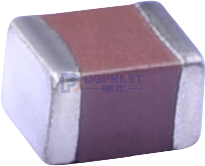
AI large model iteration, widespread deployment of intelligent computing centers, and continuous global computing power demand surge.
Industry data shows that the number of MLCCs per traditional general server is only 1800-4000 pieces, while the overall usage of passive components in AI servers is 8-10 times that of traditional servers. Why can AI servers completely change the demand pattern of passive components? Where does this surge in demand come from?
1. AI Server ≠ Traditional Server, It's a Comprehensive Hardware Upgrade
Most people's understanding of servers is limited to "higher computing power, better configuration." However, the difference between AI servers and traditional commercial servers goes far beyond simple performance upgrades. It involves a complete restructuring of power consumption, power supply, signal transmission, and architecture, which is the fundamental premise for the explosive growth of passive component demand.
1. Computing Load: AI servers are designed for large model training and inference, featuring multiple GPU stacks that bring high concurrency and significant power fluctuations, resulting in much heavier hardware loads compared to traditional servers with stable loads.
2. Power Supply System: The total power consumption of an AI server can be more than five times that of a traditional server, with frequent instantaneous current changes. This significantly increases the demand for passive components' voltage stabilization, filtering, and current compensation capabilities, otherwise, it may lead to system downtime or hardware damage.
3. Signal Transmission: AI scenarios require higher transmission rates and bandwidth, and high-speed signals are prone to interference. Inductors, resistors, and high-end MLCCs play a role in noise reduction and calibration, making traditional components unable to meet standards.
4. Architecture Stacking: High-density integration of 8-16 GPU cards has become mainstream. Multiple chips and power modules stacked together have led to a geometric increase in the number of passive components used.
2. Four Core Reasons Behind the Fundamental Demand, Driving Both Quantity and Quality Growth of Passive Components
The hardware iteration of AI servers has reshaped the demand logic for passive components. This round of industry growth is not a short-term hype but a long-term structural trend driven by hardware demand. There are four core supports:
1. Demand for Power Stability: GPU power consumption fluctuates significantly, and passive components such as MLCCs, electrolytic capacitors, and high-frequency inductors play a key role in voltage stabilization, current compensation, and filtering, ensuring stable computing power operation and avoiding system downtime.
2. Demand for High-Density Integration: AI servers are compact and generate a lot of heat, leading to the elimination of ordinary components and promoting the popularity of small-sized, high-temperature-resistant, and high-reliability premium passive components, shifting demand toward both quantity and quality.
3. Demand for Computing Power Stack: Upgraded multi-GPU architecture requires matching passive components for each GPU and high-speed line, leading to an 8-10 times increase in the number of components per machine.
4. Demand for Scenario Expansion: The continuous construction of global intelligent computing centers and computing clusters is continuously releasing long-term incremental demand through large-scale server procurement.
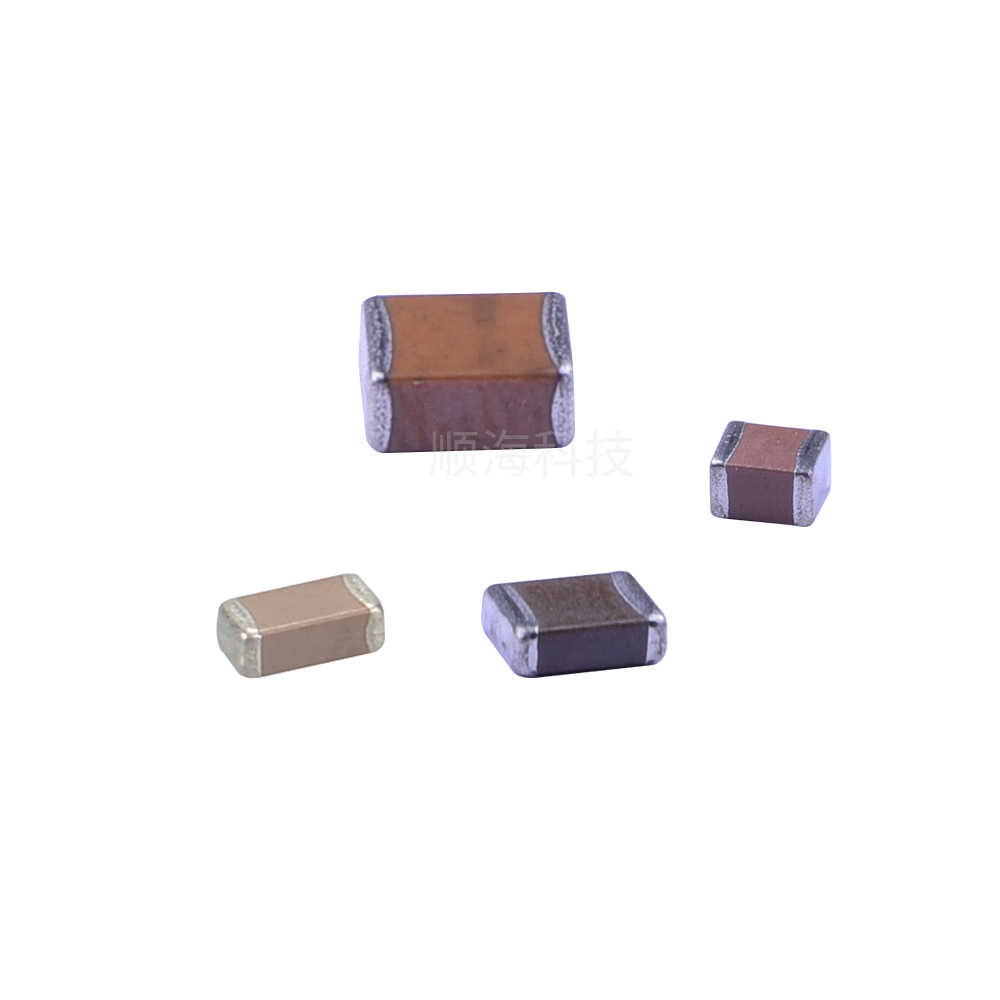
With the rising demand for mass, high-quality, and stable delivery of high-end passive components, many hardware and system manufacturers are now prioritizing quality supply chains. Shunhai Technology has been focusing on the passive component supply chain, specializing in server-grade MLCCs, high-frequency inductors, precision sampling resistors, and high-voltage resistors—key components for computing power. With sufficient original factory channel resources, we provide one-stop component supply solutions for high-reliability projects such as AI servers, photovoltaic energy storage, and industrial control.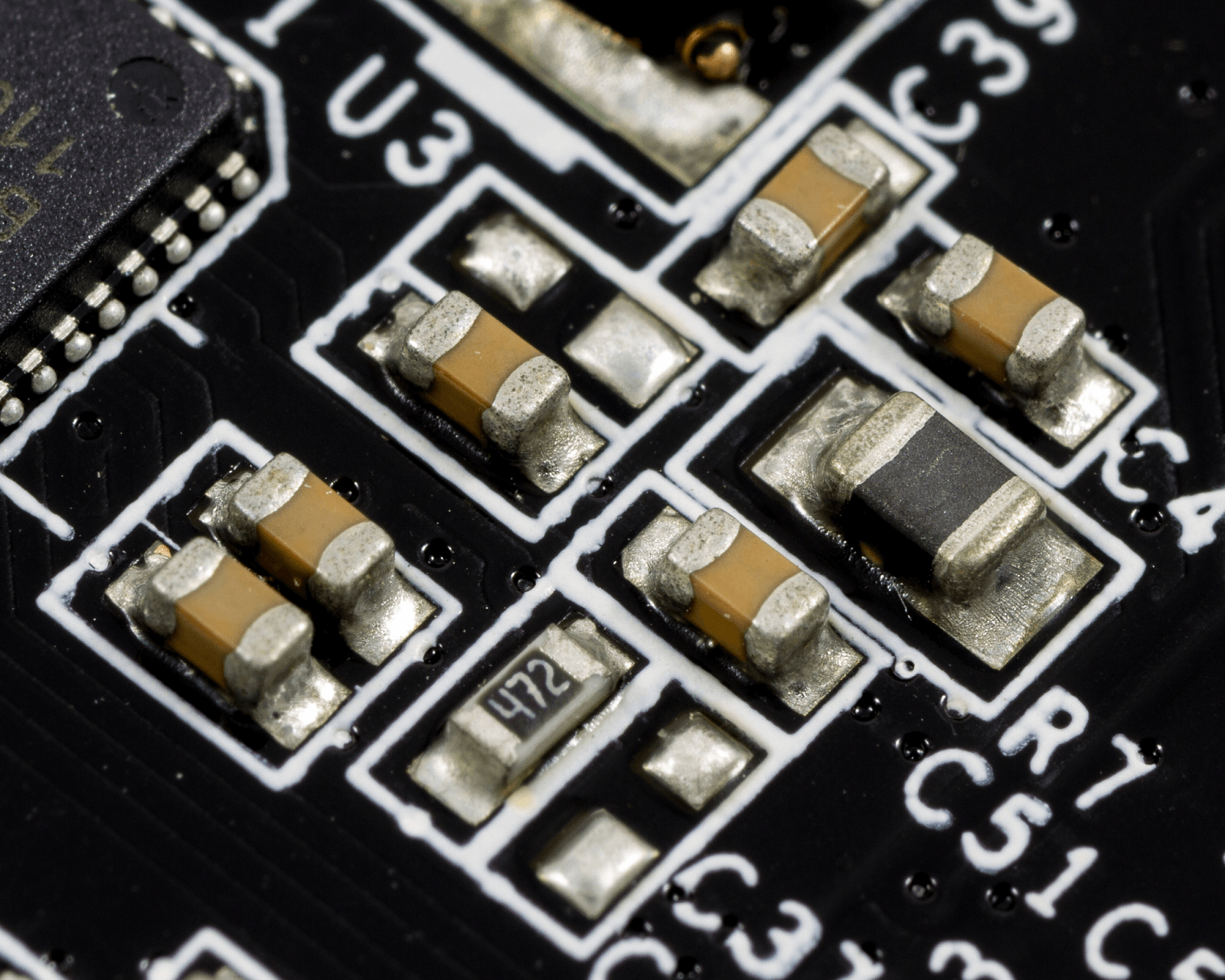
3. Comparative Analysis of Usage, Value, and Supply-Demand
Based on authoritative public data, we precisely analyze the impact of AI servers on passive components from four dimensions: usage, value, supply-demand, and categories.
1. Usage Comparison: AI servers achieve a tenfold jump in quantity.
- Traditional General Server: The number of MLCCs per unit is only 1800-4000 pieces, and the usage has remained basically stable over the past ten years without significant growth;
- Conventional AI Server: The number of MLCCs per unit is 15,000-25,000 pieces, about eight times that of traditional servers;
- High-End AI Server (GB300): The number of MLCCs per unit reaches 30,000;
- Top-End Computing Cabinet (VR200): The number of MLCCs per cabinet exceeds 440,000-600,000, showing exponential growth in computing cluster usage.
2. Value Proportion: Passive components have become a core cost item in servers. According to Morgan Stanley data, in the BOM cost structure of AI servers, MLCCs and other passive components have jumped to the third largest cost item, second only to GPUs and memory chips, completely moving away from their traditional status as "low-value auxiliary materials." The value of passive components in a single high-end AI server has increased several times compared to traditional servers, and the industry's commercial value has been comprehensively restructured.
3. Current Supply and Demand Situation: Structural shortages in high-end models, with both delivery time and prices rising. Currently, the passive component industry is extremely divided: mid-to-low-end general models are oversupplied and face intense competition, while high-temperature-resistant, high-frequency, and miniaturized high-end MLCCs, inductors, and resistors suitable for AI servers are severely insufficient in production capacity.
Delivery times have stretched from the usual 4 weeks to 20 weeks, and major Japanese manufacturers have repeatedly raised prices, with high-end products remaining in long-term shortage, further intensifying the structural imbalance in supply and demand.
4. Category Differentiation: Precisely targeting the winning sectors, avoiding ineffective trends. Not all passive components can benefit from this AI cycle: ordinary consumer and consumer-grade passive components have stable demand with no additional growth; only server-grade high-end MLCCs, high-frequency inductors, precision resistors, and voltage-stabilizing capacitors that match computing hardware enjoy definite growth, showing significant characteristics of structural industry trends.
In Conclusion: In the Era of Computing Power, Passive Components Are Revalued
Under the super cycle of AI computing power, the market's focus has long been on core areas like GPUs and large models, but it has overlooked the foundational role of passive components. Unassuming capacitors, inductors, and resistors are the capillaries of AI servers, essential for computing power implementation.
From a single-unit usage of 2,000 pieces to 30,000 pieces, from low-value auxiliary materials to core cost items, and from cyclical fluctuations to growth dividends, AI servers have completely reshaped the industry value and growth space of passive components.
In the future, as global computing infrastructure deepens and AI servers continue to evolve, high-end passive components may remain structurally scarce, and the pace of domestic substitution will continue to accelerate. The competition in the computing power supply chain has already begun. Shunhai Technology will focus on the field of passive components for AI servers, relying on original factory resources and supply chain advantages, to provide high-quality computing power-specific passive components for hardware engineers and server manufacturers, and to seize opportunities in the hidden computing power sector, sharing long-term industrial benefits with industry partners.