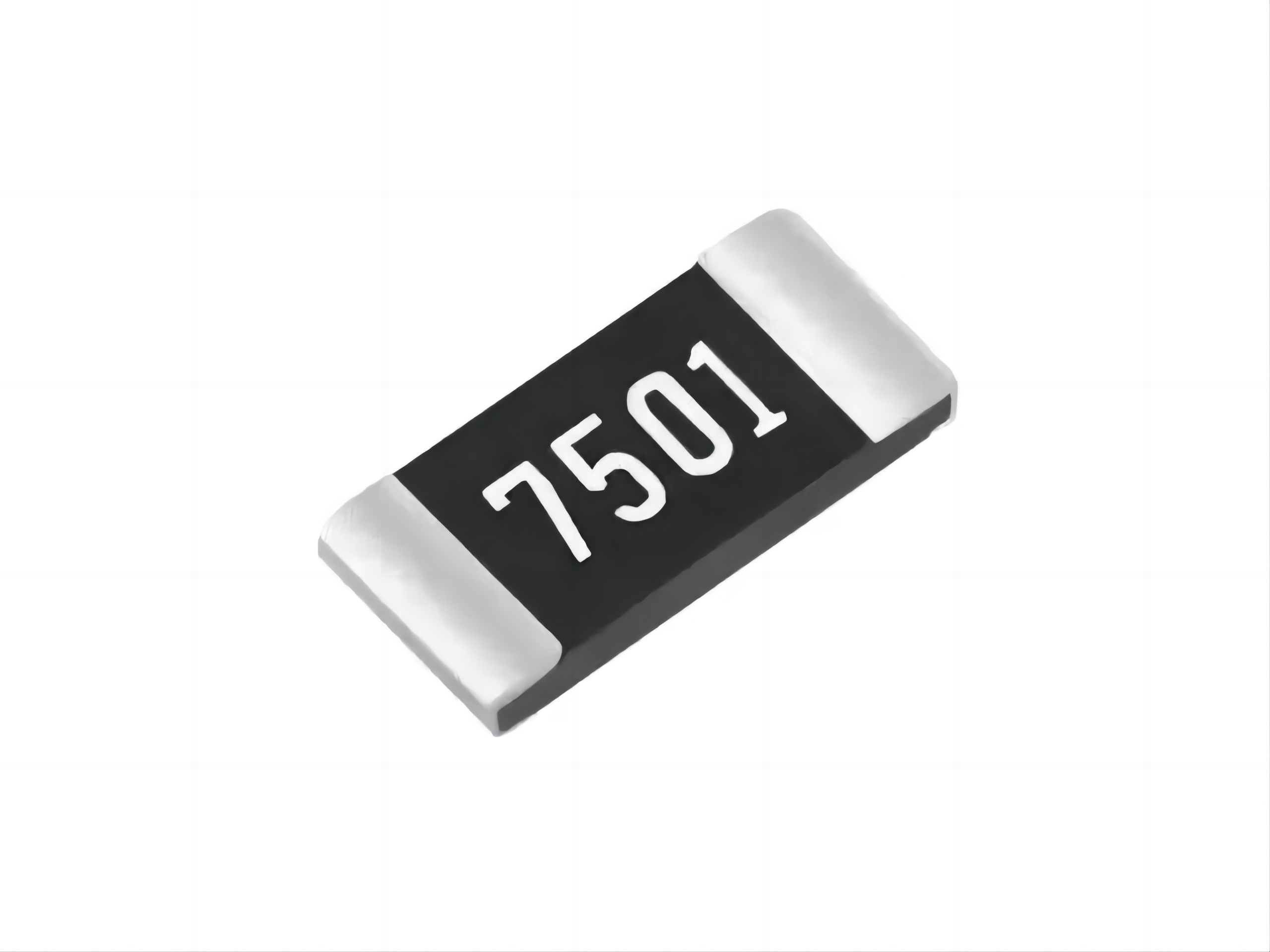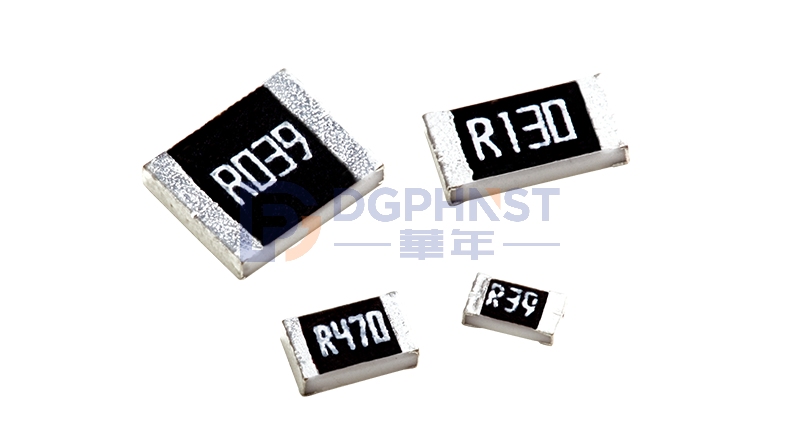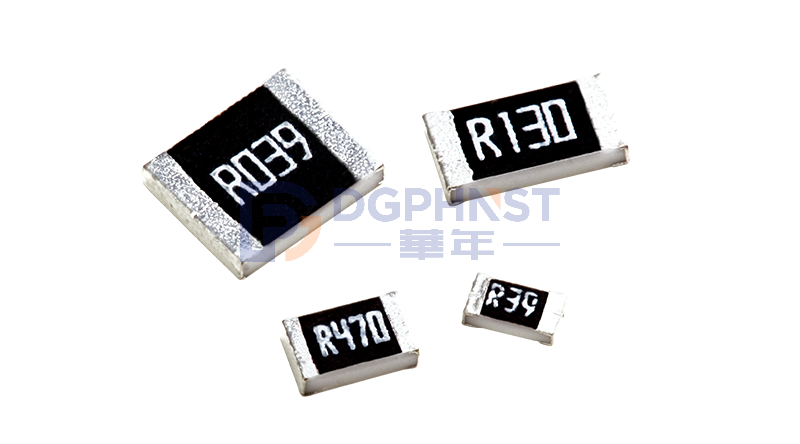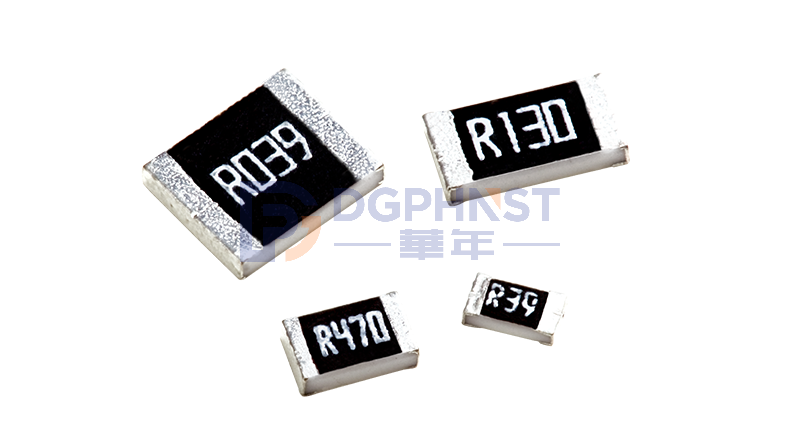
Anti-sulfurization resistors are also commonly known as anti-sulfur surface mount resistors, which are high-precision passive electronic components specifically developed for complex working conditions such as high sulfur, humidity, and corrosion. Unlike conventional surface mount resistors, they use dual technical upgrades of material improvement and structural optimization to completely solve the problem of traditional resistor sulfurization failure, effectively avoiding issues such as resistance value drift and open circuit faults.
Anti-sulfurization Resistor
One, Core Pain Points of Sulfurization Failure in Electronic Devices
In the long-term operation of various industrial and outdoor electronic devices, resistor sulfurization failure is the most common and often overlooked cause of circuit faults. According to statistical data, in high-sulfur scenarios such as outdoor, chemical, and mining environments, more than 35% of circuit faults caused by surface mount resistors are due to electrode sulfurization corrosion.
Conventional surface mount resistors usually use pure silver electrode materials. Silver ions have active chemical properties. When the device is in an environment with sulfur gas, humidity, or dust corrosion, silver ions in the electrodes will continuously react chemically with sulfur ions in the environment, forming black silver sulfide insulating precipitates.
This reaction gradually leads to a decline in the conductivity of the resistor's electrode, resulting in problems such as significant resistance value drift, parameter deviation, and poor contact. As corrosion intensifies, it eventually causes resistor open circuits and circuit breakage, directly leading to equipment shutdown, malfunction, and production downtime. Especially in scenarios with excessive sulfur content such as mines, chemical plants, hot springs, vehicle exhaust, and outdoor pollution, the service life of ordinary resistors is shortened by 50%-70%, and the repair rate and maintenance costs of equipment continue to rise, affecting product stability and lifespan.
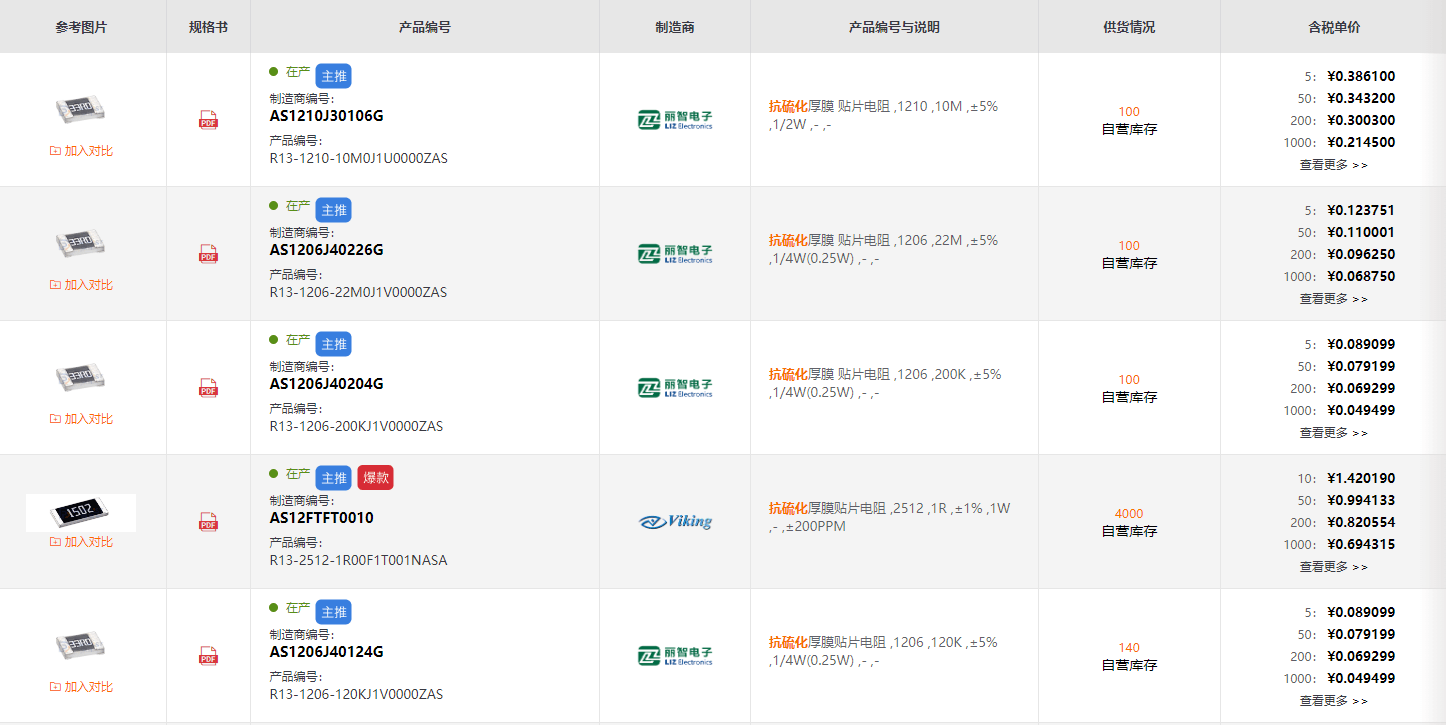
To address this industry-wide challenge, anti-sulfurization resistors, with their dedicated anti-sulfur protection technology, block sulfurization reactions from the source at the material and structure level, becoming the core solution for replacing conventional surface mount resistors under harsh working conditions. Shunhai Technology has been deeply involved in the passive component supply chain for many years and can provide multiple mature anti-sulfur surface mount resistor stock solutions, covering all mainstream package specifications from 1210 to 2512.
The following are the reference models available in stock:
Two, Core Anti-Sulfur Technology Principles of Anti-Sulfur Resistors
Anti-sulfur surface mount resistors are an upgraded version of conventional thick film surface mount resistors. They abandon the traditional single-layer protective mode and adopt two core technologies: material modification + physical barrier, comprehensively resisting sulfur ion corrosion and eliminating sulfurization failure at its root. The core technical solutions are divided into two categories.
First, optimization of electrode paste material. By precisely adding precious metals such as palladium and platinum to traditional silver electrode paste, the electrode material ratio is optimized, significantly improving the binding stability of silver ions, inhibiting the migration and release of silver ions, and reducing the reactivity of sulfur ions with silver electrodes. This enhances the electrode's anti-sulfurization and anti-corrosion capabilities at the material level, preventing the formation of silver sulfide precipitates.
Second, upgrade of multi-layer physical protection structure. A nickel barrier layer is added to the outer layer of the resistor electrode, and the glass glaze protective layer is thickened. At the same time, the resistor packaging seal structure is optimized, reducing structural gaps and forming a dense three-dimensional protective barrier. Through physical isolation, it effectively blocks external sulfur-containing gases, humid moisture, and corrosive dust from entering the resistor's interior, protecting the core electrode and resistor layer from corrosion. Some high-end anti-sulfur products also add specialized anti-sulfur coatings, achieving full coverage protection and further enhancing adaptability in harsh environments.
With the support of dual technologies, anti-sulfurization resistors have completely overcome the environmental adaptability limitations of conventional surface mount resistors. In high sulfur corrosion environments, they can maintain long-term stable parameters, eliminate faults such as resistance value drift and open circuit failure, and greatly extend the service life of components.
Three, Core Performance Advantages of Anti-Sulfur Resistors
Compared to conventional surface mount resistors, anti-sulfur surface mount resistors focus their core advantages on three dimensions: environmental adaptability, operational stability, and long-term reliability, perfectly meeting the circuit operation requirements of harsh working conditions. The core advantages are as follows:
1. Strong anti-sulfur and anti-corrosion performance. It can withstand harsh environments such as high sulfur, high humidity, dust corrosion, and acid-base fumes for a long time, effectively resisting the erosion of various sulfur media, thoroughly solving the problem of traditional resistor sulfurization failure, and adapting to most industrial corrosion scenarios. After passing the accelerated aging test of 85°C-85% RH humidity plus hydrogen sulfide, qualified anti-sulfur resistors show no sulfurization open circuit phenomenon.
2. High precision and stability of parameters. It retains the advantages of small size, high precision, and low temperature drift of traditional surface mount resistors. During long-term operation, the core parameters such as resistance value, accuracy, and temperature coefficient show no significant deviation, ensuring accurate circuit output and stable operation without contact problems or signal anomalies. High-reliability models can control resistance deviation within ±1%, ±0.5%, and temperature drift as low as ±50ppm/℃.
3. Extremely long service life. After professional field testing, anti-sulfur surface mount resistors can achieve hundreds to thousands of hours of sulfur-resistant endurance. Compared to conventional resistors, their service life in harsh environments is increased by 3-5 times, greatly reducing the cost of equipment replacement, maintenance, and downtime.
From a lifecycle cost perspective, using anti-sulfur resistors can reduce post-sales maintenance costs by up to 40% or more.
4. Strong versatility. It maintains the standard surface mount resistor package structure, requiring no changes to circuit design or soldering process, allowing direct replacement of conventional surface mount resistors. It is compatible with SMT automated assembly production, without increasing production steps or costs, making it suitable for various lightweight and integrated electronic devices.
In Conclusion
Anti-sulfur resistors have accurately solved the industry's pain points of sulfurization corrosion through dual technological innovations in materials and structures. On the basis of retaining the advantages of small size, high precision, and easy integration of surface mount resistors, they significantly enhance the equipment's environmental tolerance, effectively reducing electronic device failure rates, extending product life cycles, and reducing after-sales maintenance costs.
In high-end electronic fields such as industrial automation, new energy, Internet of Things, and security monitoring, anti-sulfur surface mount resistors have become key passive components that ensure circuit stability and enhance product core competitiveness, possessing extremely high industry popularization value and application prospects.
At present, in the context of fierce competition in industrial product reliability, choosing the right anti-sulfur resistor can often avoid millions of dollars in after-sales risks. Shunhai Technology specializes in passive component supply chain services, gathering multiple high-reliability anti-sulfur surface mount resistor stock resources, supporting small batch samples and large volume supply.