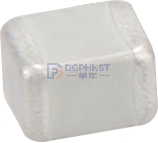
In 2026, the global MLCC market is undergoing structural adjustments. On the surface, this reflects industry competition over capacity allocation; at its core, it stems from the contradiction between growing AI computing power demand and insufficient supply of high-end capacity. This shift is driving realignments in the global electronic components industrial chain.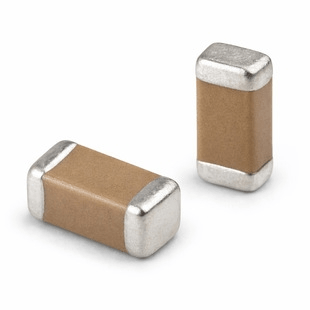
I. Supply-Demand Dynamics Among Leading Manufacturers Amid Tight High-End MLCC Supply
As a core player in the global consumer electronics sector, Apple possesses strong bargaining power within its supply chain. However, due to the current tight supply of high-end MLCCs, Apple has adopted a strategy of "securing capacity without signing long-term supply agreements (LTAs) and rejecting price increases."
This strategy is directly linked to Murata's business model. Murata has long implemented an LTA model that locks in volume and price, ensuring stable pricing and guaranteed supply during the contract period. While this model benefits long-term customer relationships, it makes it difficult for Murata to improve profitability through flexible pricing adjustments during periods of rapid AI demand growth, unlike Samsung Electro-Mechanics. Apple's aforementioned strategy aims to secure capacity supply while controlling procurement costs, based on the characteristics of this model.
In terms of actual capacity allocation, Murata currently prioritizes high-margin orders such as those for AI servers. Consequently, despite Apple's large procurement scale, its priority for capacity assurance has been downgraded, reflecting the current tight supply situation of high-end MLCCs.
II. Another 20% Cut in October! Chinese Smartphone Makers Face Dual Pressure
According to industry chain information, Murata plans to reduce MLCC supply quotas for the Chinese smartphone market by approximately 20% in a second adjustment in October 2026. This is a direct manifestation of the crowding-out effect on the consumer electronics sector caused by shifting capacity toward high-end AI applications.
1. Capacity Continues to Shift Toward the High-End AI Market
To meet the rapidly growing demand from AI servers for high-capacitance MLCCs such as 47μF and 100μF, Japanese and Korean manufacturers like Murata are gradually converting some capacity previously dedicated to consumer electronics to produce high-end products. This has led to a contraction in the production capacity for common standard high-capacitance MLCCs used in smartphones, such as 10μF and 22μF, resulting in continuously tightening supply.
2. Overall Weak Demand in Consumer Electronics
Meanwhile, overall demand in the global smartphone market in 2026 remains weak. Domestic manufacturers such as Xiaomi, OPPO, and vivo have all lowered their annual shipment forecasts. Affected by both weakening demand and rising procurement costs, smartphone makers have reduced their MLCC procurement volumes, creating market conditions for Murata to adjust supply quotas.
3. Accelerating the Process of Domestic Substitution
The continuous adjustment of supply quotas will drive domestic smartphone manufacturers to expand more supply channels, providing market opportunities for domestic MLCC manufacturers such as Fenghua Advanced Technology and Sunlord Group, thereby helping to accelerate the process of MLCC domestic substitution.
III. AI Applications Drive Upgrades in MLCC Product Specifications
If quota adjustments reflect changes in total supply, then upgrades in product specifications impose higher requirements on the supply structure. Currently, the main demand for MLCCs is upgrading from the standard 22μF to high-capacitance specifications such as 47μF and even 100μF, which is a supporting requirement driven by the upgrade of AI server architectures.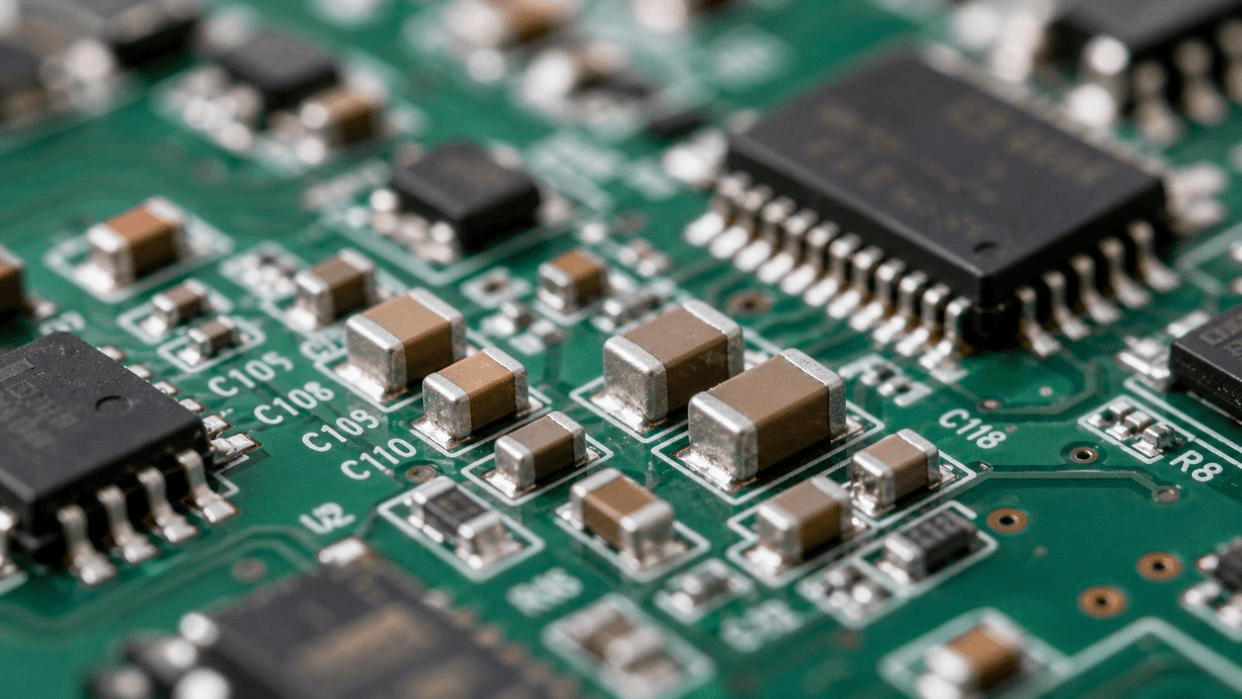
1. Increased GPU Power Consumption Drives Upgrades in Capacitor Specifications
As the computing power and power consumption of AI chips such as NVIDIA Vera Rubin and AMD MI450 increase, requirements for server power supply stability rise accordingly. High-capacitance MLCCs can better handle transient high currents, reduce voltage fluctuations, and ensure stable chip operation.
2. Significant Increase in MLCC Usage per Device
During the product validation phase of AI servers, to meet performance requirements, design solutions gradually replace traditional aluminum electrolytic capacitors and tantalum capacitors with MLCCs. Taking the AMD MI450 platform as an example, the usage of 47μF MLCCs per board increased from 1,440 units to 10,544 units, a growth of approximately 632%.
3. Expansion of High-End Capacity Constrained by Technical Conditions
The upgrade in product specifications further diverts medium-to-high capacitance MLCC capacity originally used for consumer electronics, exacerbating the tight supply of standard specifications such as 22μF. Meanwhile, production technology barriers for ultra-high capacitance MLCCs such as 47μF and 100μF are relatively high, with some products having a yield rate of only about 40%, making it difficult to rapidly expand capacity in the short term.
IV. Market Supply and Demand Trend Forecast
The core contradiction in the current MLCC market lies in the mismatch between the rapid growth of demand related to AI computing power and the limitations on expanding high-end capacity.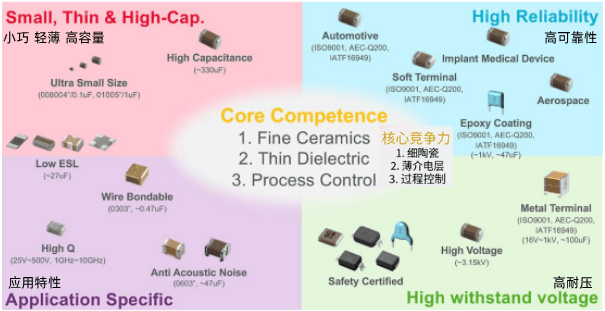
1. Short-term (Second Half of 2026 — 2027):The tight supply-demand situation for high-end MLCCs of 47μF and above is expected to persist, with potential for price increases. Capacity adjustments and quota reallocations by manufacturers such as Murata will become a regular occurrence during this phase, increasing supply pressure on the supply chains of domestic consumer electronics manufacturers, including those in the mobile phone sector.
2. Medium-term (2027—2028):As new facilities like Murata's Izumo plant gradually come online, combined with technological advancements by domestic manufacturers in the high-end product segment, supply-demand contradictions are expected to ease progressively. However, the market sentiment for high-end MLCCs is projected to remain positive through 2028.
V. Corporate Response Strategies Amid Supply Chain Volatility
Facing fluctuations in the MLCC market, electronic manufacturing enterprises must simultaneously address the dual challenges of tight high-end material supply and weak demand for consumer electronics. Selecting component supply partners that possess multi-brand authorization, stable supply capabilities, and technical support capabilities is a viable path to navigate supply chain volatility.
Shunhai Technology is an enterprise engaged in the distribution of electronic components. In response to current changes in the MLCC market, it can provide customers with the following supply chain support:
1. Multi-brand Supply Channels
Shunhai Technology holds official authorizations from multiple domestic and international brands, covering high-end Japanese and Korean brands as well as mainstream domestic brands. Through diversified channel deployment, it can mitigate supply risks caused by fluctuations in single-brand quotas and provide customers with multi-brand selection and alternative solutions.
2. Huanian Mall Online Procurement Services
The self-operated platform under its umbrella, Huanian Mall, provides online procurement services for electronic components, covering four procurement scenarios: small-batch prototyping for R&D, medium-batch pilot production, large-batch mass production, and long-term futures stock locking:
- Spot Supply: Mainstream MLCC specifications are kept in stock, supporting orders starting from a single piece for sampling, which meets the needs of R&D prototyping and urgent material replenishment.
- Specification Coverage: Covers mainstream package sizes from 0201 to 2225.
- Pricing System: Implements tiered pricing with transparent costs, offering competitive advantages for bulk procurement.
- Delivery Service: Prompt shipment after order placement, with fully traceable logistics information to ensure customer production schedules.
3. Technical Support and Component Selection Services
Shunhai Technology is equipped with a technical team familiar with the performance parameters and application scenarios of MLCCs from various brands. For situations where supply of certain specifications is tight, we provide alternative component selection suggestions based on customers' circuit design requirements, helping them optimize supply chain costs and stability while ensuring product performance.
In Conclusion
Structural adjustments in the MLCC industry continue, and supply chain stability directly impacts the market competitiveness of electronics manufacturing enterprises. Shunhai Technology will consistently focus on customer needs, leveraging our product resources, channel capabilities, and service systems to support electronics manufacturers in navigating industry cycles.