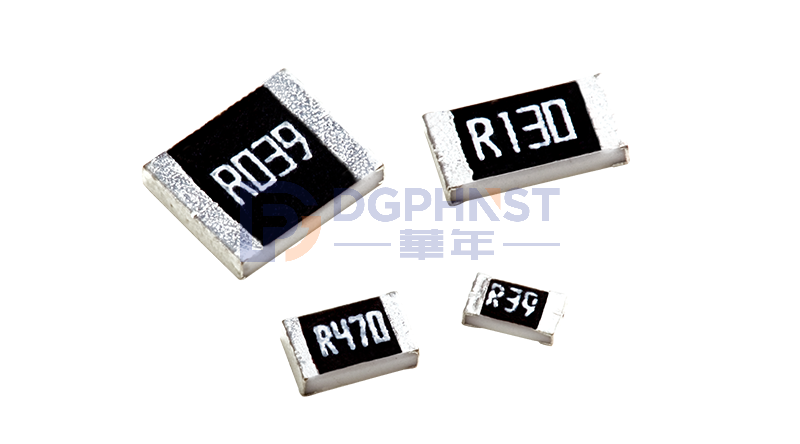
0402 Alloy Resistance Analysis: How Metal Foil Technology Achieve High Precision Circuit Core
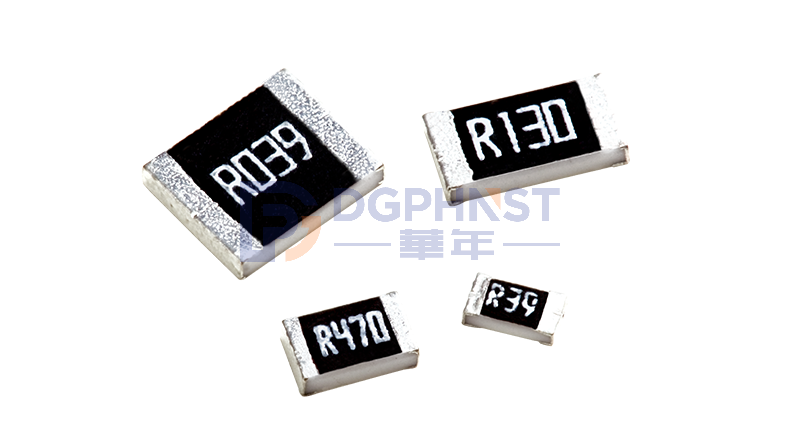
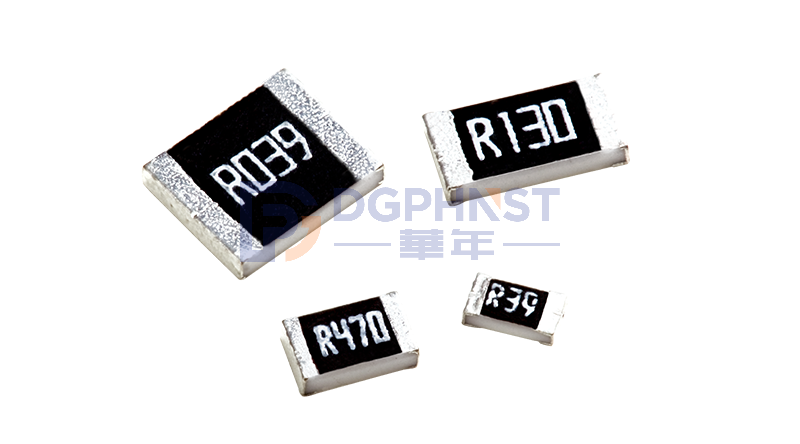
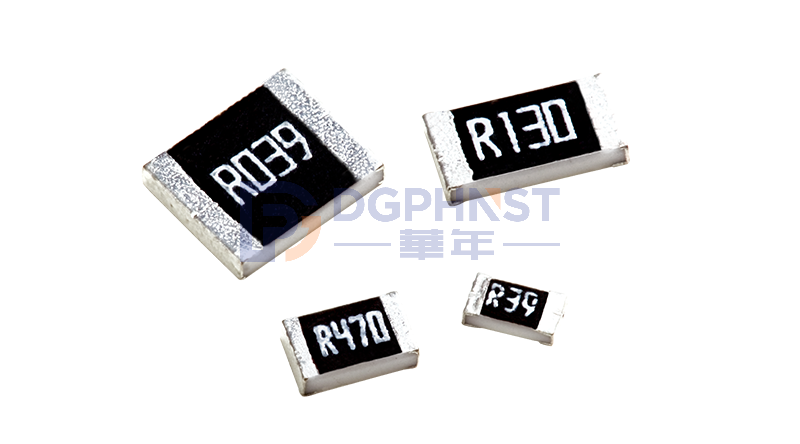
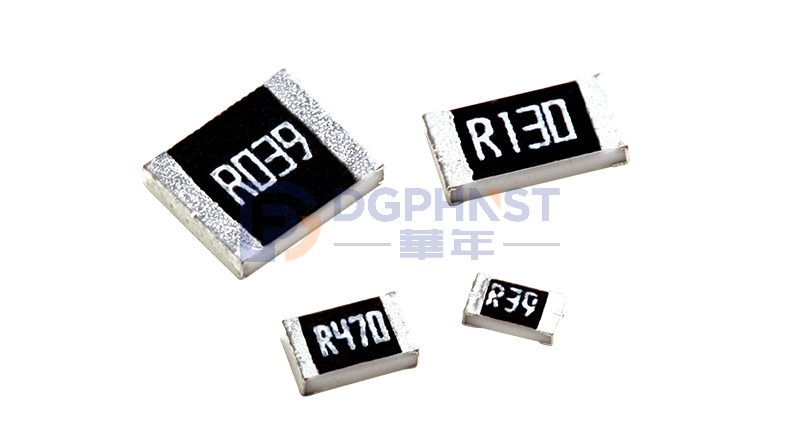
In the field of electronic components, 0402 alloy resistors have become an indispensable core component in high-precision circuit design due to their unique metal foil process. This article will delve into the prominent characteristics of 0402 alloy resistors in terms of material processing, performance advantages, and application scenarios.
1. Precision technology: innovative integration of metal foil and FR4 PCB
The core advantage of 0402 alloy resistor is first reflected in its precision manufacturing process. This type of resistor adopts the fusion design of metal foil technology and FR4 PCB board process, and achieves precise resistance control through laser resistance adjustment, with an error controlled within ± 1%.
The metal foil process involves attaching special alloy foil materials to the substrate and using advanced photolithography technology for patterning, forming extremely precise resistance patterns. The 0402 alloy resistor manufactured by this process has excellent stability and consistency. Compared with traditional thick film or thin film resistors, metal foil structures perform better in terms of thermal stability and electrical performance.
In the limited space of 0402 package size (1.0mm × 0.5mm), the metal foil process optimizes the material's thermal expansion coefficient to perfectly match the FR4 substrate with the metal foil, significantly reducing resistance drift caused by welding stress or temperature changes. This characteristic makes 0402 alloy resistors outstanding in high-density circuit design and an ideal choice for space limited applications.
2 Performance advantages: a comprehensive breakthrough beyond tradition
The performance advantages of 0402 alloy resistors are reflected in multiple dimensions, making it stand out among many types of resistors.
2.1 High power density and overload resistance
Under the miniaturized 0402 package, metal foil resistors have achieved astonishing power density. The rated power can reach 0.33W and withstand 23 times the instantaneous overload. This feature makes 0402 alloy resistors the preferred choice in applications with limited space and high power, such as automotive electronic modules and portable device power management.
By increasing the thickness of the copper foil to 2oz, setting up a thermal conductive via array, and optimizing the pad layout, engineers can further improve the power dissipation capacity of 0402 alloy resistors to over 0.5W. With appropriate heat dissipation design, its thermal resistance can be controlled below 50 ℃/W, effectively solving the thermal management problem in high-power scenarios.
2.2 Low temperature drift and high stability
The temperature coefficient of 0402 alloy resistor is extremely excellent, reaching a level of ≤ 50ppm/℃. This means that within a wide temperature range of 55 ℃ to 155 ℃, the resistance value changes very little, ensuring the stability of the circuit under various environmental conditions.
This feature is particularly important for application scenarios with large temperature changes in the working environment, such as automotive electronics and outdoor equipment. The low temperature coefficient ensures consistency in system performance and reduces measurement or control errors caused by temperature fluctuations.
2.3 Low parasitic inductance and high-frequency performance
By designing a three-dimensional spiral winding structure, the parasitic inductance of 0402 alloy resistors can be reduced to below 0.5nH, which is more than 60% lower than traditional thick film resistors. This low inductance characteristic makes it excellent in high-frequency applications, effectively reducing voltage spikes and EMI interference.
In high-frequency scenarios such as switch mode power supplies and motor drives, the low parasitic inductance characteristics enable 0402 alloy resistors to maintain pure signal waveforms, improving the overall energy efficiency and reliability of the system. Combined with the low impedance characteristics of copper foil conductors, further optimization of high-frequency current paths has been achieved.
2.4 Long term stability and reliability
The 0402 alloy resistor with metal foil structure has excellent long-term stability. Its unique material combination and packaging process ensure that the initial accuracy can be maintained even after long-term operation, reducing the need for system calibration.
This feature is particularly important in applications that require high long-term accuracy, such as medical equipment, testing and measuring instruments, and automotive control systems. The stable performance of 0402 alloy resistors ensures measurement accuracy and control precision throughout the entire product lifecycle.
3 Certification Compliance: Meet stringent industry standards
0402 alloy resistors also perform well in certification compliance, meeting the strict requirements of various industries.
In terms of environmental certification, 0402 alloy resistors strictly comply with the restrictions on harmful substances in REACH regulations, with heavy metal content such as lead, cadmium, mercury, etc. below the regulatory threshold. At the same time, through ROHS 2.0 certification, it ensures that the product is free of harmful substances such as halogens and polybrominated biphenyls, and complies with EU green procurement standards.
For highly demanding application fields such as automotive electronics and industrial control, 0402 alloy resistors have passed AECQ200 certification. This certification has passed 1000 hours of high temperature and high humidity bias testing, mechanical impact testing, and thermal cycling verification, ensuring long-term reliability in harsh environments such as automotive engine compartments and battery management systems.
These certifications enable 0402 alloy resistors to easily meet the entry requirements of various global markets, providing a guarantee for rapid product launch.
4 Application scenarios: Key components in multiple fields
0402 alloy resistors have found wide applications in multiple fields due to their comprehensive performance advantages.
4.1 Automotive Electronics
In the field of automotive electronics, 0402 alloy resistors are widely used in battery management systems, engine control units, and advanced driver assistance systems (ADAS). Its high precision, low temperature drift, and sulfur resistance ensure reliable performance in harsh automotive working environments, meeting AECQ200 certification requirements.
4.2 Industrial Control
0402 alloy resistors are widely used in PLC controllers, servo drives, and process control instruments in industrial environments. Its high precision and long-term stability ensure precise control of industrial equipment, while its sulfur resistance extends its service life in high sulfur environments.
4.3 Medical Equipment
Medical devices such as physiological electrical signal acquisition modules and medical imaging systems require extremely high precision and reliability of their components. The low-noise characteristics of 0402 alloy resistors (<0.1 μ V/V) ensure accurate capture of microvolt level signals, providing assurance for precise diagnosis.
4.4 Communication equipment
The high-frequency performance and small-sized characteristics of 0402 alloy resistors have been fully utilized in 5G/6G communication equipment, base stations, and RF modules. Its low parasitic inductance ensures the integrity of high-frequency signals and helps improve the performance of communication equipment.
5 Selection and Design Considerations
When selecting 0402 alloy resistors, engineers need to consider multiple factors comprehensively:
Accuracy requirement: Determine the required resistance accuracy (± 1% or higher) based on the application scenario
Power requirement: Evaluate maximum operating power and possible overload situations
Temperature range: Determine the temperature range of the working environment and choose the appropriate temperature coefficient
Environmental factors: Consider the presence of special environmental conditions such as vulcanization and humidity
Cost factor: Optimize cost structure while meeting performance requirements
For high sulfur environments, sulfide resistant models (such as EAM series) should be selected, with silver palladium alloy or a protective layer covering the end electrode, which can effectively prevent sulfide corrosion. For high-frequency applications, low parasitic inductance models should be prioritized to ensure signal integrity.
The 0402 alloy resistor achieves excellent characteristics such as high power density, low temperature drift, and low parasitic inductance through metal foil technology, while meeting international certification standards such as REACH, ROHS, and AECQ200, making it the preferred component for high-precision electronic system design. With the further development of electronic devices towards miniaturization, high frequency, and high reliability, the importance of 0402 alloy resistors will become increasingly prominent, providing a solid foundation for innovation in the next generation of electronic products.