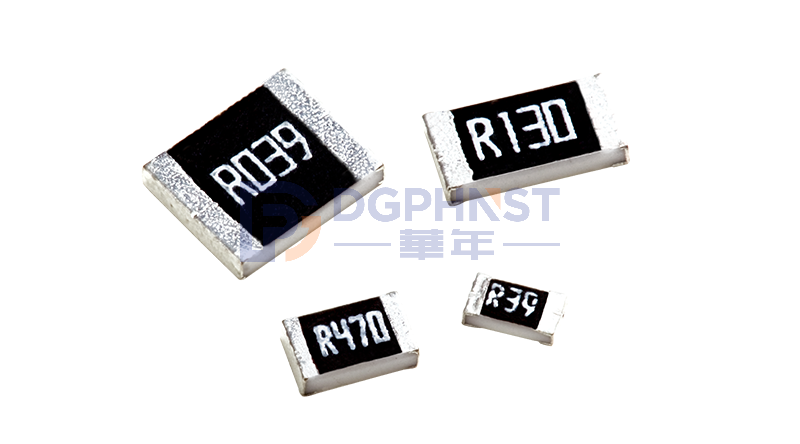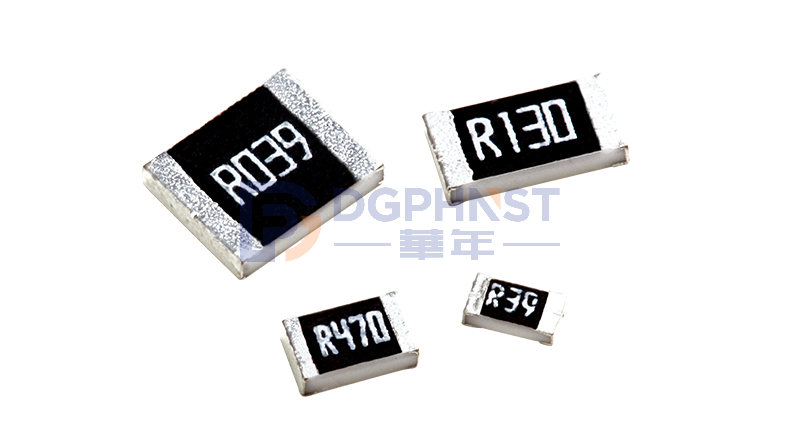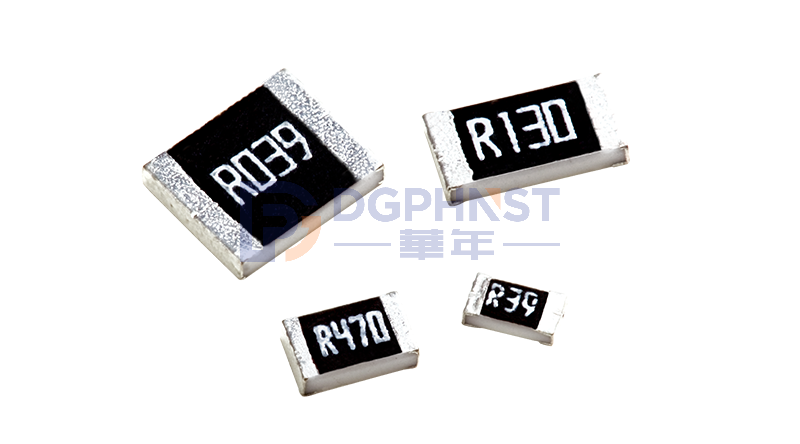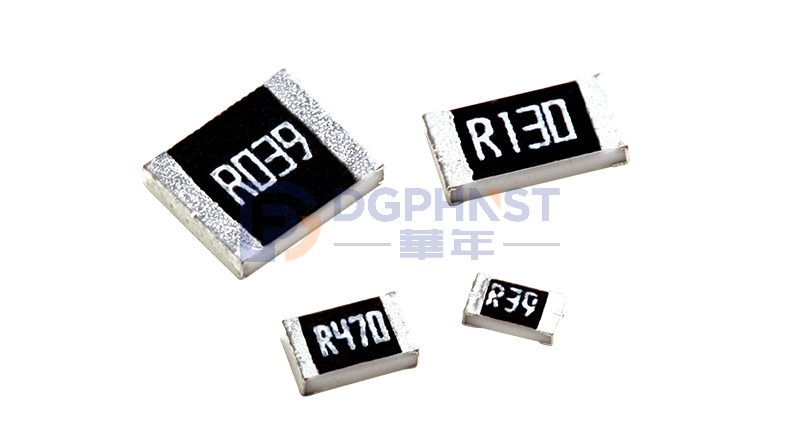
In electronic circuits, whether it is simple power indicator lights or complex communication devices, resistors are almost ubiquitous. The reason why its usage far exceeds other components is determined by the basic logic of circuit design, cost factors, and the functional characteristics of the components themselves.
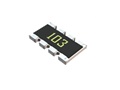
Fundamentally, the core function of a circuit is to process and transmit electrical energy and signals. This process is always accompanied by precise control and adjustment of current and voltage. Resistance is the most fundamental, direct, and economical component for achieving this control. Its core function is to provide "resistance" for setting operating current, distributing voltage, limiting surge current, or forming circuits with timing, filtering, and other functions together with other components. It can be said that as long as there is a demand for "adjusting" electrical parameters, resistance is indispensable.
From a design perspective, the flexibility and universality of resistors are irreplaceable. It does not have a strong frequency dependence like capacitors or inductors, nor is it as complex and temperature sensitive as semiconductor devices. A simple resistor network can reliably complete key tasks such as voltage division, sampling, impedance matching, or pull-up/pull-down. This high certainty and simple model feature allows engineers to use it as a cornerstone in the design phase to stabilize and define the operating point of the circuit. The normal operation of many integrated circuits and complex devices also relies on bias and protection circuits composed of resistors on the periphery.
In addition, cost and reliability factors are crucial. The resistor structure is simple, the manufacturing process is mature, and the unit price is extremely low, which provides the possibility for large-scale use in circuits. At the same time, it has stable performance, long lifespan, and is not easily prone to failure, which further consolidates its position as the "brick and stone" of circuits. Even in today's highly integrated world, where many functions are condensed into chips, a large number of resistors are still needed externally to adapt to different application scenarios and specific parameters.
Therefore, the absolute advantage of resistor usage is not accidental. It is an inevitable choice for achieving precise, stable, and low-cost circuit design. From setting the basic working state to completing fine signal conditioning, resistors play an indispensable role, ensuring their core position as the "behind the scenes heroes" in circuits.