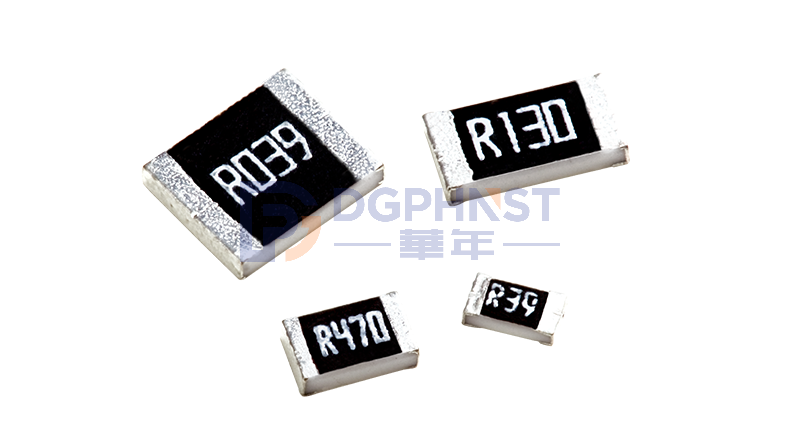
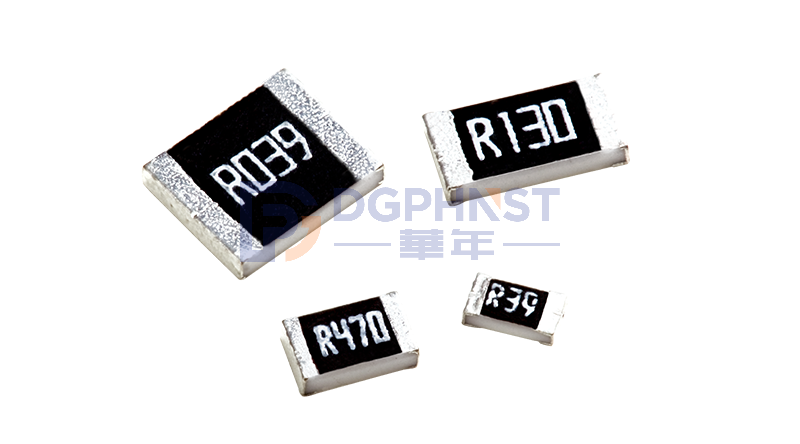
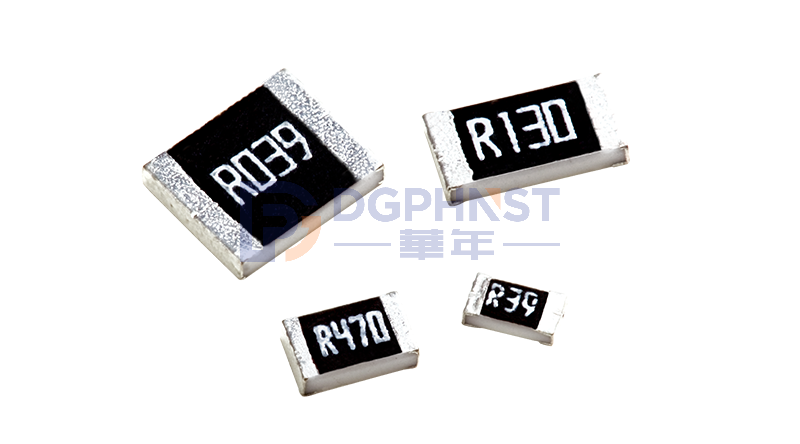
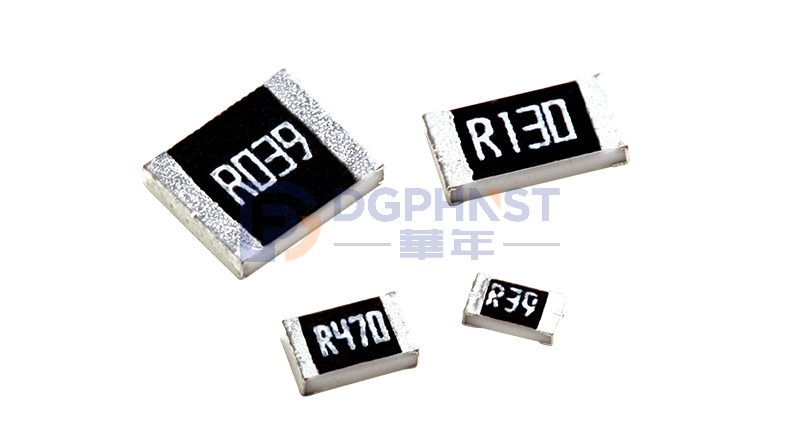
The TCR of resistance, also known as the temperature coefficient of resistance, is a key parameter that describes the rate of change of resistance value with temperature. In the field of electronic engineering, the resistance TCR directly affects the performance and stability of circuits. Usually, the resistance TCR is expressed in units of ppm/° C, which is the percentage change in resistance per degree Celsius. According to the positive and negative temperature coefficients, the resistance TCR is divided into positive and negative temperature coefficients. The positive resistance TCR indicates that the resistance value increases with temperature, while the negative resistance TCR is the opposite. In practical applications, choosing resistors with low resistance TCR is crucial for high-precision circuits as it can reduce errors caused by temperature drift. For example, in measuring equipment and communication systems, the resistance TCR index is often strictly limited. Therefore, understanding the meaning and impact of resistance TCR is essential for electronic designers. The precise measurement and regulation of resistance TCR can help improve the reliability and lifespan of electronic products. In short, as the core characteristic of resistors, TCR plays an important role in modern electronic technology.
HNST WELCOME! 0755-23173910
English |中文

Cart
{{cartCount}}
你当前的浏览器版本过低或不支持。请升级或更换浏览器。推荐浏览器 Chrome Edge。