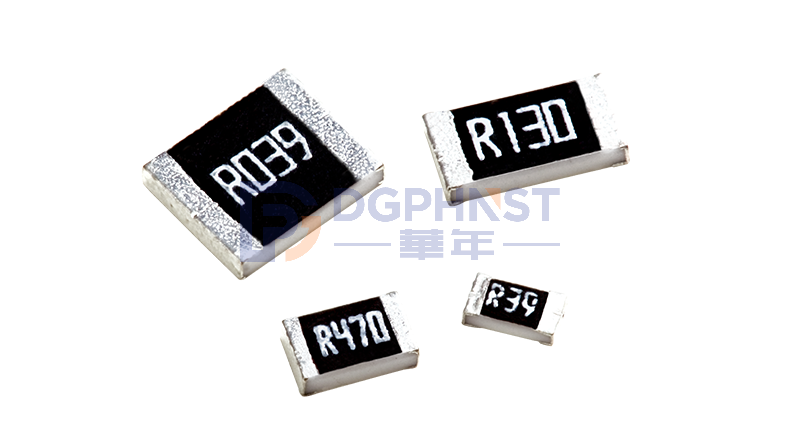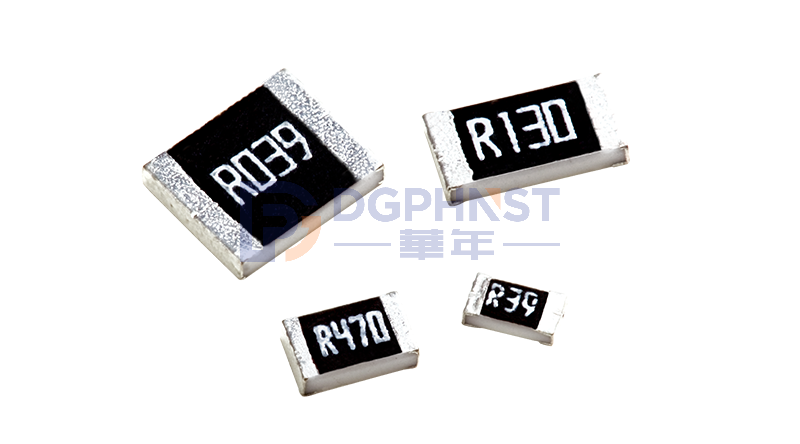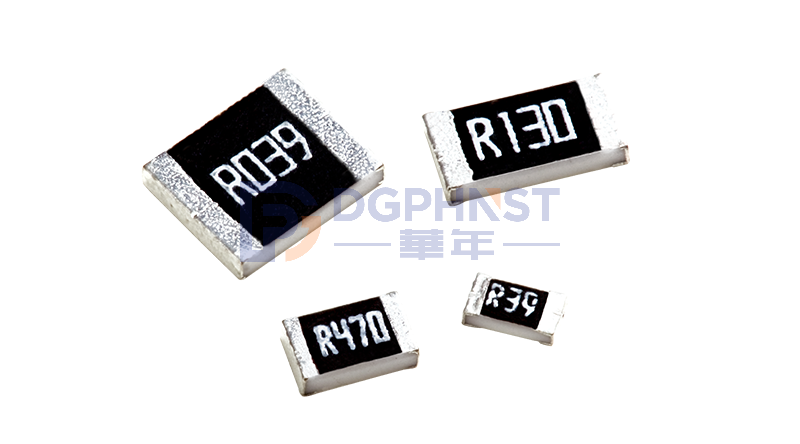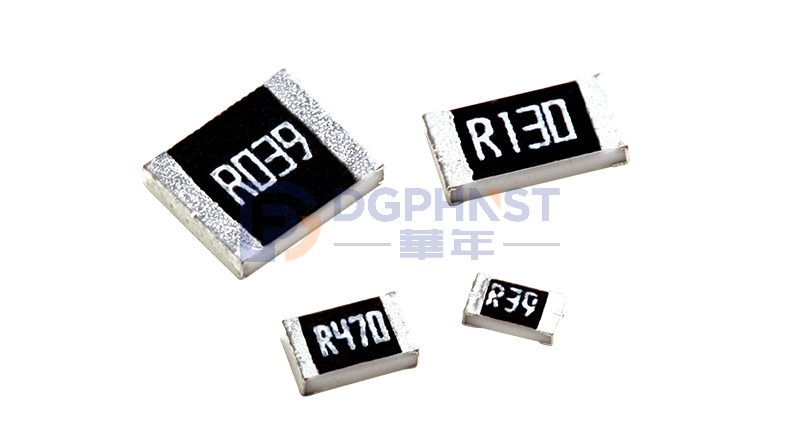
There are many factors that affect the TCR value of resistance, mainly related to material selection, manufacturing process, and usage environment. Understanding these factors can help better control the resistance TCR and improve circuit stability in practical applications.

Firstly, the essential characteristics of resistive materials are the core factors determining the resistance TCR. Different materials have different electronic band structures, and their carrier mobility varies with temperature. For example, metal materials typically have a positive resistance TCR, while semiconductor materials often exhibit a negative resistance TCR. Fine adjustments in alloy composition can significantly alter the resistance TCR characteristics of the material.
Secondly, precise control of the resistance TCR is crucial in the manufacturing process. The uniformity of film formation, heat treatment temperature curve, and subsequent resistance adjustment process of thin film or thick film resistors will directly affect the microstructure of the resistor body. The differences in crystalline state, grain boundary distribution, and internal stress can all cause the TCR value of resistance to deviate from the design expectation. Therefore, process stability is the key to ensuring the consistency of resistance TCR.
In addition, the structure and design of resistors cannot be ignored. For wound resistors, the matching degree of thermal expansion coefficient between the wire and the substrate material will affect their resistance TCR performance. The resistance of composite structures or multi-layer designs needs to comprehensively consider the coupling effect of the material resistance TCR of each layer in order to achieve the goal of overall low-temperature drift.
Finally, the external working environment is a practical factor that must be considered when evaluating the resistance TCR. In addition to the range of temperature changes in the environment, the heating generated by the resistor itself can cause temperature rise, thereby affecting its actual resistance TCR performance. The heat dissipation conditions, installation methods, and thermal radiation from adjacent components all form a complex thermal field, which ultimately affects the actual effect of the resistor TCR.
In summary, the TCR value of resistance is a comprehensive parameter constrained by multiple factors. From material selection and process refinement to structural optimization and application adaptation, each step has an impact on the final resistance TCR performance. A deep understanding of these correlations is of great significance for selecting and designing high-precision and high stability resistance components.