What are the main application areas of alloy resistors?
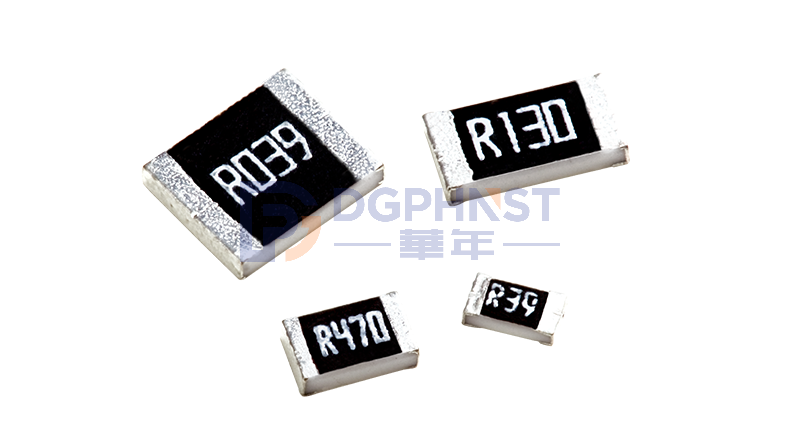
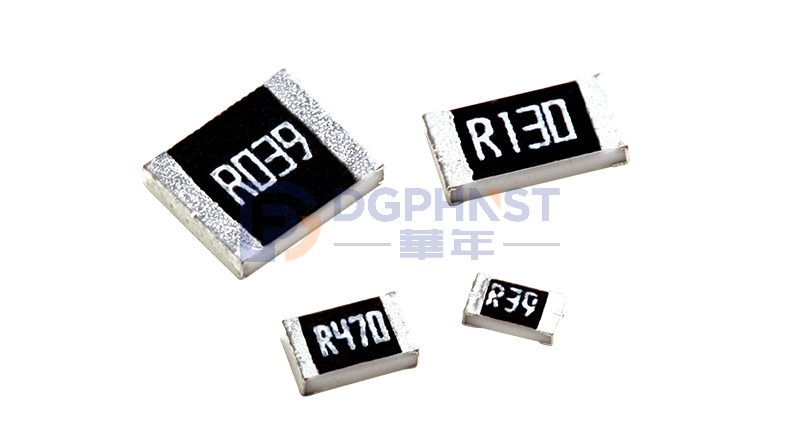
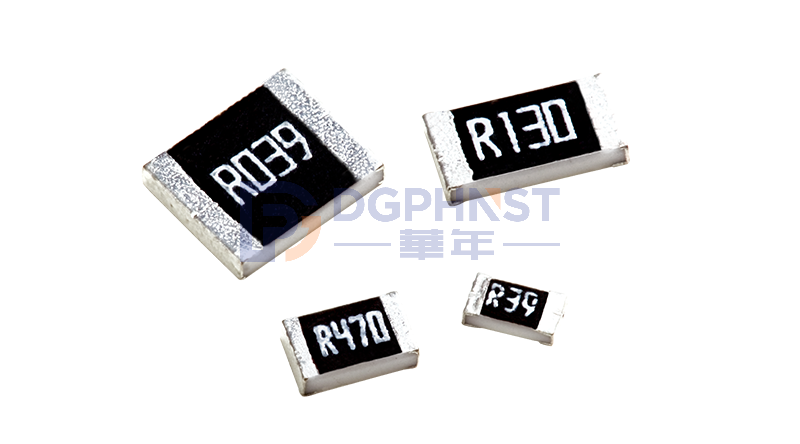
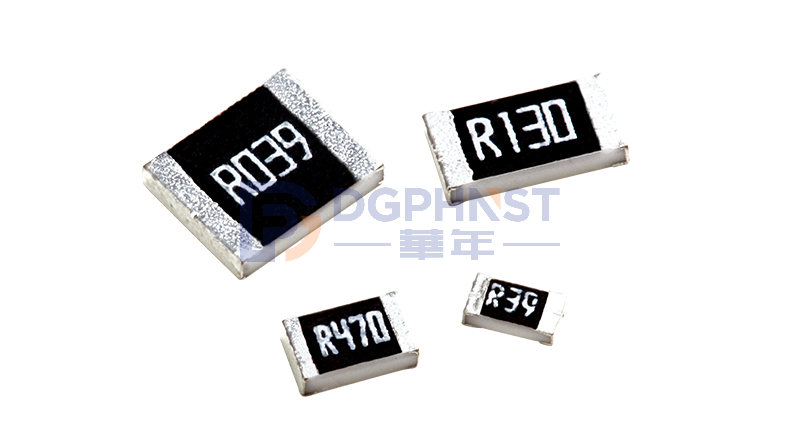
Alloy resistors have become indispensable basic components in modern power electronic circuits due to their low resistance, high precision, high power, low temperature drift, and excellent surge resistance. Unlike ordinary resistors, it is better suited for working in high current and high reliability scenarios, and is therefore widely used in products with strict requirements for current sampling, power control, and circuit protection. Below, we will provide a detailed overview of the main application areas of alloy resistors.
New energy vehicles are the field with the largest and fastest-growing use of alloy resistors. Whether it is pure electric or hybrid models, core components such as battery management system BMS, motor controller, on-board charger OBC, DC-DC converter, etc. require a large amount of alloy resistors for current detection and diversion. Each new energy vehicle typically uses dozens or even hundreds of alloy resistors to ensure battery charging and discharging safety and improve energy utilization efficiency. Automotive grade alloy resistors have extremely high requirements for stability and high temperature resistance, and are also a category with high technical barriers in the industry.
Photovoltaic and energy storage systems are also important application scenarios for alloy resistors. In photovoltaic inverters, energy storage converters PCS, and battery pack systems, alloy resistors are mainly used for current sampling, overcurrent protection, and power monitoring. Energy storage devices are subjected to high load charging and discharging for a long time, requiring strict requirements for the temperature rise, accuracy, and lifespan of resistors. Ordinary resistors are difficult to handle, while alloy resistors can maintain stable resistance values under long-term high-power operation and are key components for the safe operation of photovoltaic energy storage systems.
In the field of industrial control and power equipment, the application of alloy resistors is also very common. Equipment such as frequency converters, servo drives, switching power supplies, industrial welding machines, UPS uninterruptible power supplies, etc. all have high current circuits inside and require precise current acquisition and control through alloy resistors. Industrial environments are often accompanied by high temperatures, vibrations, and electromagnetic interference. Alloy resistors, with their excellent stability and durability, effectively reduce the probability of equipment failure and improve overall operational reliability.
Consumer electronics and communication devices are also inseparable from alloy resistors. Laptops, fast charging adapters, server power supplies, base station power supplies, and other products should not only pursue miniaturization and high power, but also ensure circuit safety. Alloy resistors, with their small size and high power density, are suitable for lightweight design and play an important role in fast charging protocol identification, overcurrent protection, and other aspects. With the continuous improvement of fast charging power, the demand for high specification alloy resistors is also increasing.
In the field of home appliances and power tools, the use of alloy resistors is becoming increasingly widespread. Sampling resistors are used in the internal motor drive and power management of products such as variable frequency air conditioners, washing machines, induction cookers, drills, and garden tools. This type of product requires stable current control to improve efficiency and reduce heat generation. Alloy resistors can well meet the requirements of low-cost and high reliability batch applications.
In industries such as medical equipment, instruments, and security monitoring that require high precision, alloy resistors also occupy an important position. Medical monitoring equipment, measuring instruments, high-precision power supplies, etc. require minimal temperature drift and stable resistance output to ensure accurate data, and high-precision alloy resistors can precisely meet these demanding performance indicators.
For enterprises with procurement needs, choosing suitable suppliers directly affects product quality and supply chain stability. Shenzhen Shunhai Technology Co., Ltd. has long been dedicated to the supply of passive components such as alloy resistors. With abundant resources of automotive and industrial grade products, we can provide complete selection solutions and stable large-scale delivery capabilities, making us suitable for long-term cooperation with production-oriented enterprises.
If it is research and development sampling, small batch trial production, or emergency replenishment, Huanian Mall can provide convenient and efficient online procurement services. The platform has a complete range of alloy resistor models, clear parameters, and sufficient stock in stock, which can quickly meet the needs of research and development and small batch production.
Overall, the application of alloy resistors covers almost all industries related to power conversion and current detection. With the continuous development of new energy, intelligent manufacturing, and fast charging technology, their application scope is still expanding, and market demand is maintaining a stable upward trend.
HNST WELCOME! 0755-23173910
English |中文

Cart
{{cartCount}}
你当前的浏览器版本过低或不支持。请升级或更换浏览器。推荐浏览器 Chrome Edge。