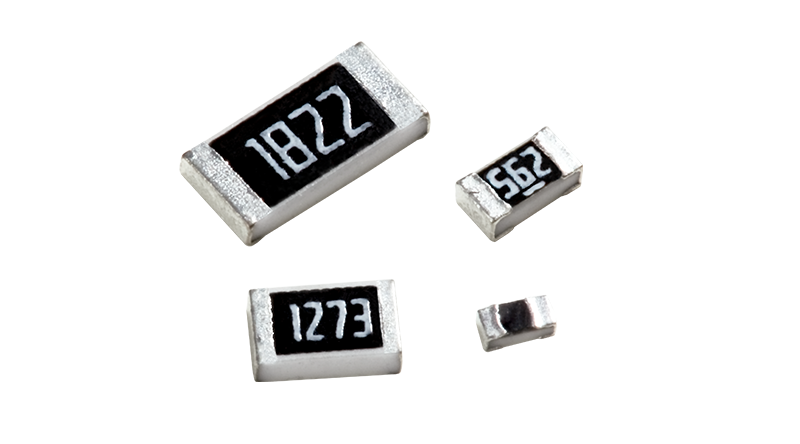
In industrial automation, new energy, automotive, and outdoor measurement and control equipment, the long-term stable operation of circuits has become a challenge, not only focusing on device power and accuracy parameters but also considering the hidden failures caused by environmental corrosion. Once chip resistors suffer from sulfurization corrosion, their resistance value may slowly drift or even open without any warning, which is a lagging fault. It is difficult to detect during factory testing, often appearing in batches after several months of use, causing maintenance and rework costs for the entire machine.
Metal thin film chip resistors, leveraging the advantages of film layer process and adding anti-sulfurization structural design, have become an important technical path to enhance circuit life in high-corrosion environments. The Tian Er Technology anti-sulfurization metal thin film chip resistor TSL series is a representative device under this technical route.
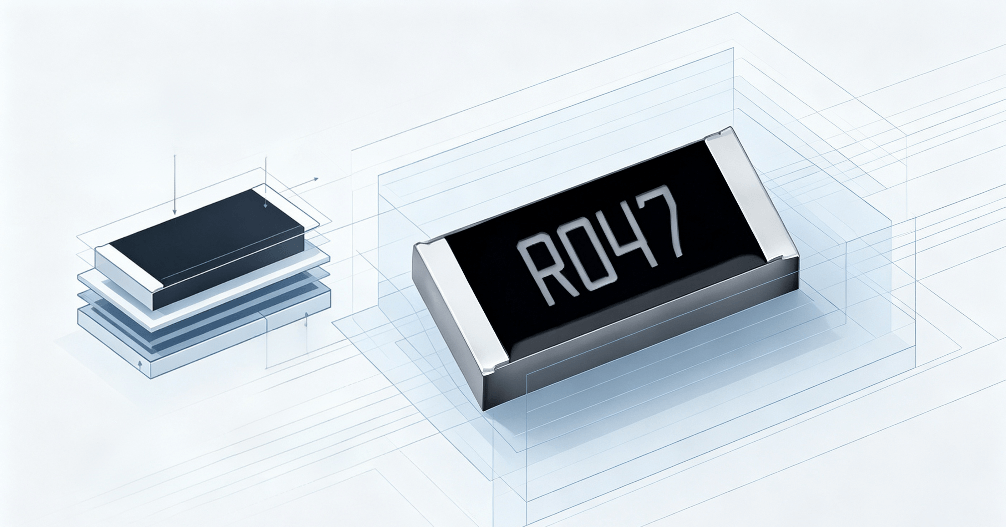
Tian Er Technology TSL Anti-Sulfur Resistor
I. Failure Analysis: Intrinsic Mechanism of Sulfurization Corrosion
Sulfurization failure is essentially the result of chemical reactions between sulfur-containing media in the environment and the internal conductive electrodes of the device. A conventional chip resistor consists of parts such as ceramic substrate, resistor layer, internal electrode, protective layer, and terminal electrode plating.
Sulfur-containing gases mainly penetrate into the device through two paths:
One is that the protective layer material itself has microscopic pores, allowing corrosive gas molecules to slowly permeate;
The other is that after reflow soldering and temperature cycling, micro-gaps are generated at the interface between the protective layer and the terminal electrode due to differences in thermal expansion coefficients, becoming the main channel for sulfur medium invasion.
When sulfur comes into contact with silver-based internal electrodes, a chemical reaction occurs, forming insulating silver sulfide. This substance lacks conductivity and accumulates continuously at the electrode interface, gradually compressing the conductive path.
Sulfurization failure has two significant characteristics:
The first is latency; the fault does not appear in short-term testing, and high-temperature environments can accelerate the chemical reaction rate. For every 10°C increase in temperature, the corrosion rate increases by 1.5-2 times.
The second is no external damage; the device's outer plating is intact, but internal corrosion has already occurred, making it impossible to identify potential hazards with conventional visual inspection.
This type of failure is common in scenarios such as automotive electronic control, sealed industrial cabinets, chemical plants, coastal industrial areas, and outdoor communication equipment. Rubber components and sealants inside the cabinet, as well as exhaust products from fuel combustion, continuously release small amounts of sulfides. Even in non-heavy pollution environments, long-term accumulation can bring corrosion risks.
II. Solution Comparison: Analysis of Anti-Sulfurization Technology Routes
Currently, three mature anti-sulfurization technology routes have been formed, suitable for different protection levels and cost requirements.
The first is the electrode material modification route, which is the mainstream anti-sulfur solution for thick film resistors. By increasing the proportion of palladium metal in the electrode to prepare silver-palladium alloy electrodes, the chemical inertness of palladium is used to inhibit the formation of silver sulfide. This solution involves minimal process changes and strong compatibility, suitable for general industrial scenarios with moderate protection, but due to the presence of silver-based materials, its protective capability is limited in high-concentration sulfur environments.
The second is the physical barrier protection route, which does not alter the electrode base material. By thickening the nickel barrier layer, optimizing the protective layer sintering process, and improving the density of the terminal electrode plating, multiple physical barriers are built to block gas penetration channels. This solution targets the structural protection shortcomings, but requires extremely high process control. Defects such as plating pinholes and uneven thickness directly reduce the anti-sulfurization performance.
The third is the thin-film base material inherent anti-sulfur process route, which is the optimal solution for high-end precision scenarios. This process uses nickel-chromium alloy thin film resistors, completely free of silver-based materials, eliminating sulfurization risks at the root. Combined with a composite electrode protective structure, it achieves dual protection. The TSL120610F4R02P05Z resistor from Tian Er Technology uses this process. The vacuum sputtered thin film structure is dense and pore-free, with excellent corrosion resistance, while retaining the electrical advantages of thin film resistors, such as high precision and low noise, making it suitable for stringent working conditions such as precision sampling and signal conditioning.
III. Process Breakthrough: Key Manufacturing Steps for Thin Film Anti-Sulfur
The anti-sulfurization performance of thin film resistors relies on full-process precise process control, covering all steps including substrate treatment, film formation, trimming, protective layer preparation, and terminal electrode processing. Any single step defect can become a corrosion breakthrough point.
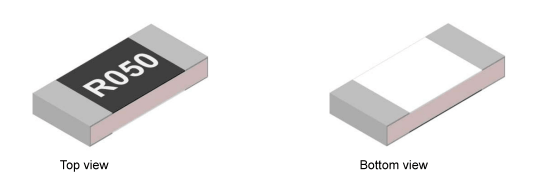
Tian Er Technology TSL Anti-Sulfur Resistor
1. Vacuum Sputtering Thin Film Formation Process
Vacuum sputtering film formation is the fundamental core process for anti-sulfurization. The product uses aluminum oxide ceramic as the substrate, and through precise grinding and cleaning, surface impurities and micro-cracks are removed to prevent poor adhesion of the film layer.
Under high vacuum conditions, nickel-chromium alloy resistor thin films are sputtered and deposited to form uniform, dense, and pore-free film layers. This alloy material has excellent chemical stability and will not react with sulfur media, completely avoiding the risk of sulfurization corrosion in traditional silver-based resistors. At the same time, parameters such as vacuum chamber cleanliness, sputtering power, and gas partial pressure directly determine the consistency of resistance values, making them key control points.
2. Laser Trimming and Film Layer Damage Control
The laser trimming process needs to strictly control film layer damage. This process adjusts the resistance value by laser etching grooves. Precise regulation of laser energy is required to avoid micro-cracks and edge chipping at the groove edges, preventing incomplete coverage by the protective layer and leaving corrosion risks.
Anti-sulfurization products optimize laser parameters and adjust groove layout to avoid weak areas at electrode interfaces, maximizing the reduction of structural damage caused by trimming.
3. Composite Protective Layer Printing and Sintering Process
The composite protective layer achieves efficient protection through optimized printing and sintering processes. By adjusting the thickness of the glass enamel protective layer and the sintering temperature curve, defects such as thin areas and bubbles are eliminated, ensuring tight bonding between the protective layer, film layer, and substrate. At the same time, the coverage of the protective layer is extended to fully cover the weak interface areas of electrodes and resistors, and the sintering temperature change rate is strictly controlled to avoid cracking due to cooling shrinkage, isolating the penetration of corrosive media.
4. Multi-Layer Electrode Plating Process Control
The multi-layer electrode plating is the last protective barrier. Among them, the nickel barrier layer is the key layer for anti-sulfurization. By controlling the current density of electroplating and the purity of the plating solution, the plating layer is ensured to be complete, uniform, and free of pinholes and exposed base problems.
The outer tin plating layer serves both welding performance and protective functions. The product has passed thermal cycle and reflow soldering tests, showing no cracks or gaps at the interface, ensuring that the anti-sulfurization performance does not degrade after assembly.
IV. Value Review: Engineering Value of Device Corrosion Resistance
The reliability of industrial and automotive hardware is based on the continuous optimization of micro-processes of components. Sulfurization failure is a typical "slow failure" issue, and many hardware faults trace back to the slow corrosion of component electrodes. The anti-sulfurization metal thin film resistor process combines the electrical advantages of metal thin film, such as high precision and low temperature drift, with anti-corrosion protection technology, retaining the signal purity required by precision circuits while enhancing the ability to withstand complex corrosion conditions.
The Tian Er Technology anti-sulfurization metal thin film chip resistor TSL120610F4R02P05Z has fully implemented this thin film anti-sulfurization process system, relying on vacuum sputtered dense alloy film layers, extended protective coating, and fully controlled multi-layer terminal electrode plating to achieve dual protection of material and structure, suitable for circuit applications requiring high stability such as precision sampling and signal conditioning.
In Conclusion
Anti-sulfurization of components is not a simple replacement of a single material but a complete process system. Only through multidimensional collaboration from component process, material evaluation, and whole machine protection can corrosion-related faults be truly reduced and the stable service cycle of the equipment be extended.
If you are encountering resistor drift failure issues during project debugging, you can consult [Huani Mall] to obtain an anti-sulfurization chip resistor selection list and match corresponding power and resistance value solutions.