Taiyo Yuden released its financial results for the second quarter of fiscal year 2027 (ending September 2026). Revenue and operating profit significantly exceeded market expectations. AI servers and automotive electronics drove simultaneous increases in volume and price for MLCCs and inductors, leading to a notable recovery in core profitability. The decline in net income attributable to owners of the parent was due to non-recurring factors such as litigation provisions, which do not alter the positive fundamental trend. The company raised its full-year performance guidance, accelerated capacity expansion for high-end AI products ahead of schedule, and reached a cooperation agreement with TDK, clarifying its medium- to long-term growth logic.
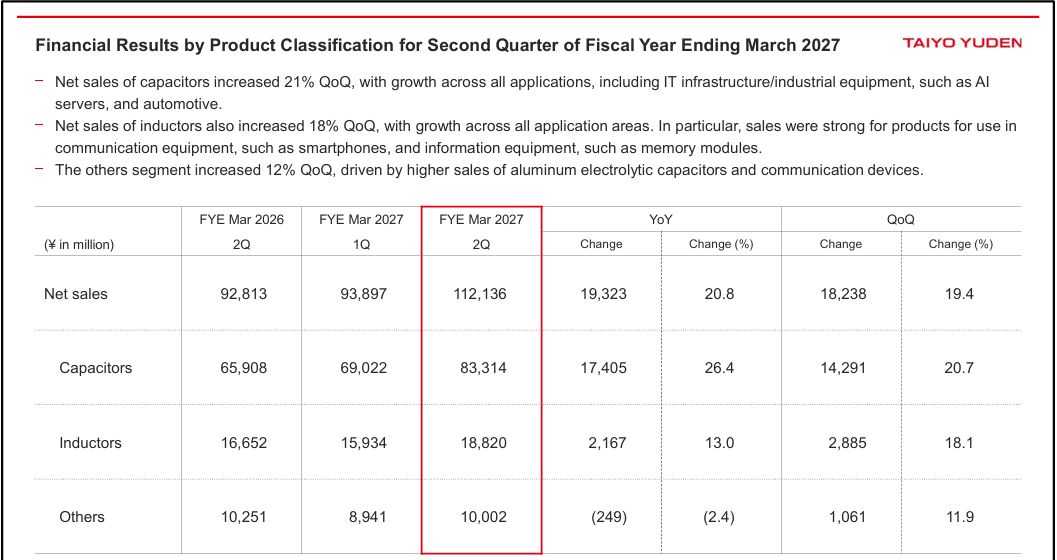
Consolidated revenue for this quarter was JPY 112.136 billion (approximately USD 5.270 billion), up 19.4% quarter-on-quarter and 20.8% year-on-year; operating profit was JPY 13.378 billion (approximately USD 0.629 billion), surging 177.7% quarter-on-quarter, with the operating margin recovering to 11.9%. Profitability recovery stemmed from improved capacity utilization, a higher proportion of value-added products, and the stabilization and rebound of MLCC prices, compounded by foreign exchange gains from yen depreciation. Net income attributable to owners of the parent was JPY 5.631 billion, a slight year-on-year decrease, primarily caused by a JPY 2.8 billion loss provision for lawsuits at overseas subsidiaries, representing a one-off disturbance.
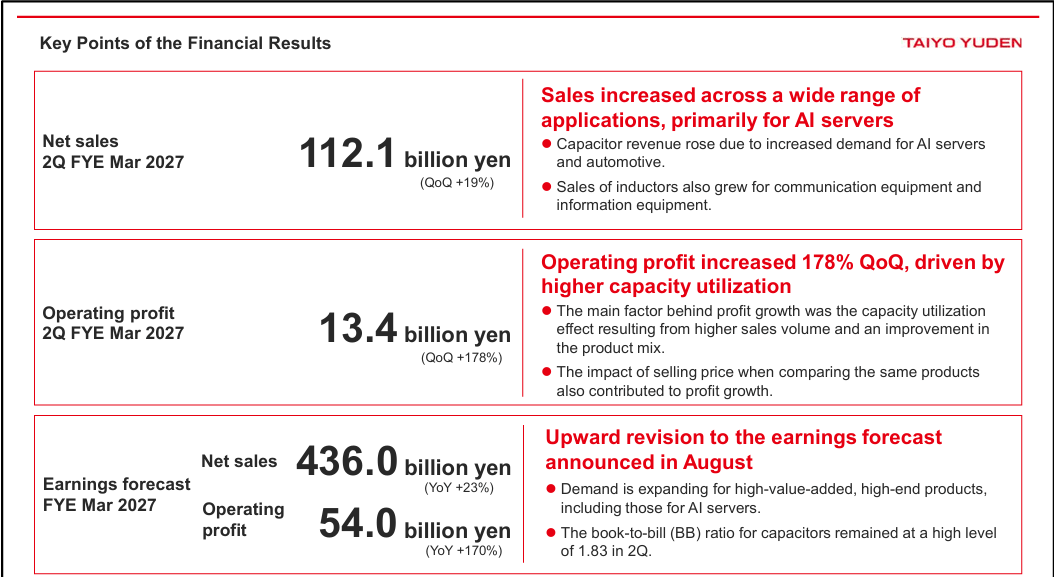
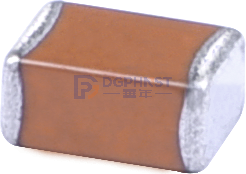
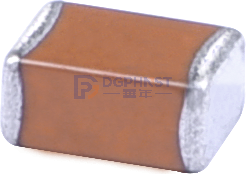
On the product side, MLCCs remain the core pillar, generating revenue of JPY 83.314 billion, accounting for over 74% of total revenue, up 20.7% quarter-on-quarter and 26.4% year-on-year. AI servers drove a significant 28% quarter-on-quarter increase in capacitor orders, with the book-to-bill (BB) ratio reaching 1.83. The company-wide BB ratio was 1.70, marking four consecutive quarters where orders exceeded revenue. Industry supply-demand continues to tighten, signaling the end of the downward price cycle for passive components. The inductor business also warmed up simultaneously, with revenue of JPY 18.820 billion. Inductors for AI power supplies have begun shipping, becoming a new growth curve.
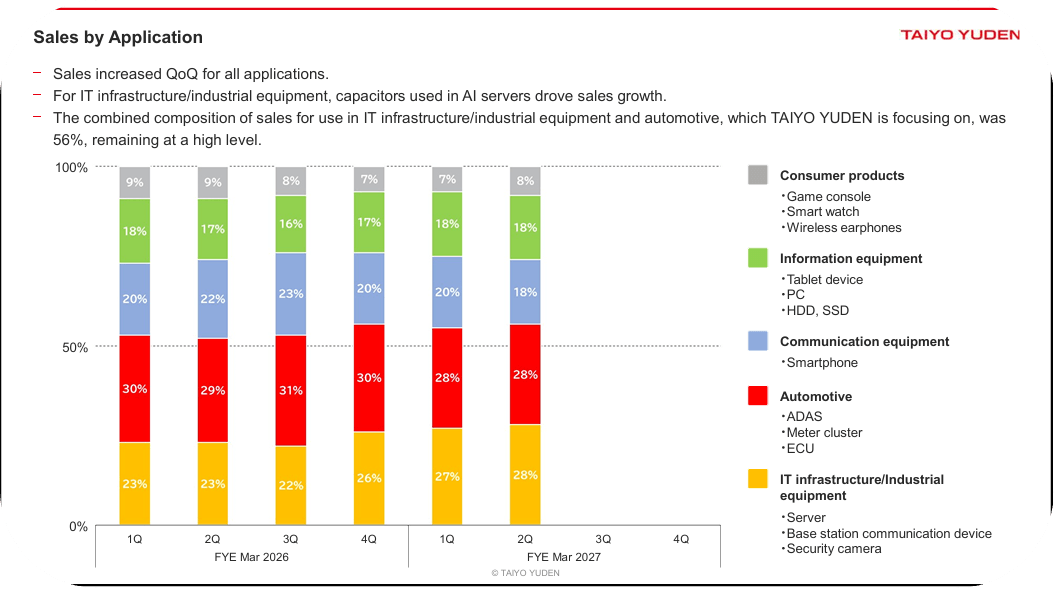
In terms of downstream structure, AI computing infrastructure and automotive electronics together account for 56% (28% each), forming dual engines. Increased usage and upgraded specifications of components in AI servers drive demand for high-end, large-capacity, high-reliability MLCCs and inductors; demand for vehicle ADAS, domain controllers, and electrification provides a stable foundation. Consumer electronics account for only 8%, as the company continues to tilt towards high-margin industrial, computing, and automotive segments, resulting in sustained optimization of earnings quality.
From a profit breakdown perspective, improved capacity utilization is the largest positive contributor; however, rising fixed costs associated with capacity expansion offset some profits. Notably, despite booming orders, inventory decreased rather than increased, verifying robust end-market demand and no channel stuffing.
Against the backdrop of improving performance, Taiyo Yuden raised its full-year guidance: targeting full-year revenue of ¥436 billion and an operating margin of 12.4%. Meanwhile, it advanced its AI capacity investment plan by two years, with AI server capacitor capacity set to double in the next fiscal year; additionally, it signed a memorandum of understanding with TDK to jointly develop MLCCs and inductors for AI data centers and physical AI scenarios, collaboratively addressing high-end demand.
In Conclusion
This quarter's financial results confirm that the AI computing wave is strongly driving demand for high-end passive components. Coupled with steady automotive demand, Taiyo Yuden's core product lines have entered a cycle of simultaneous growth in volume and price. As high-end capacity accelerates deployment and industry collaboration deepens, "AI + Automotive" will unlock medium-to-long-term growth potential, reinforcing its competitiveness in the high-end passive component sector.
HNST WELCOME! 0755-23173910
English |中文

Cart
{{cartCount}}
你当前的浏览器版本过低或不支持。请升级或更换浏览器。推荐浏览器 Chrome Edge。