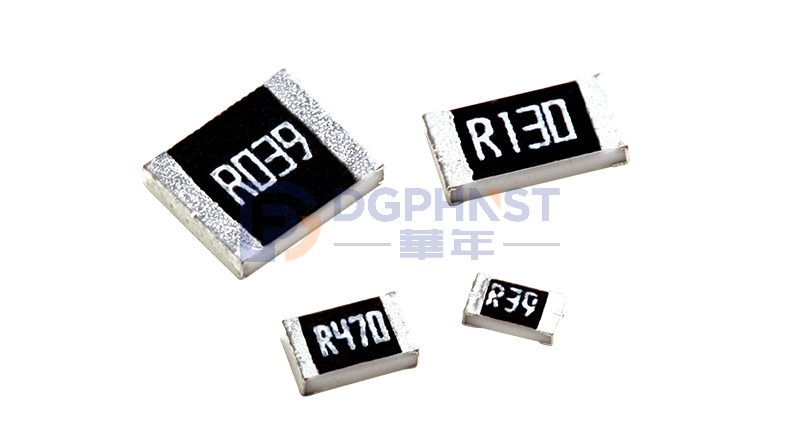
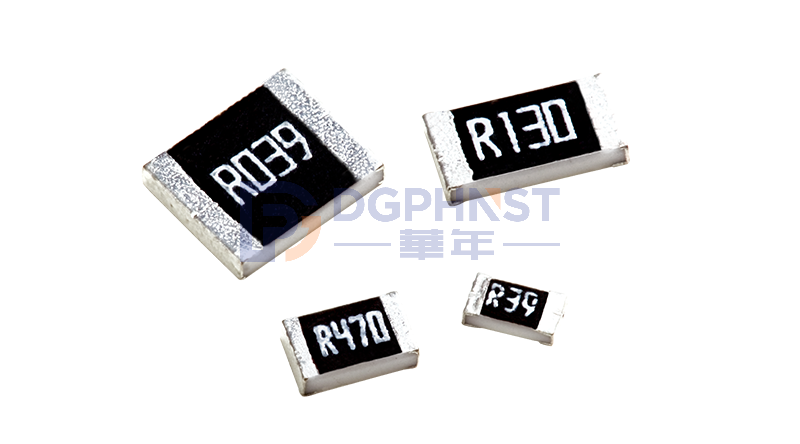
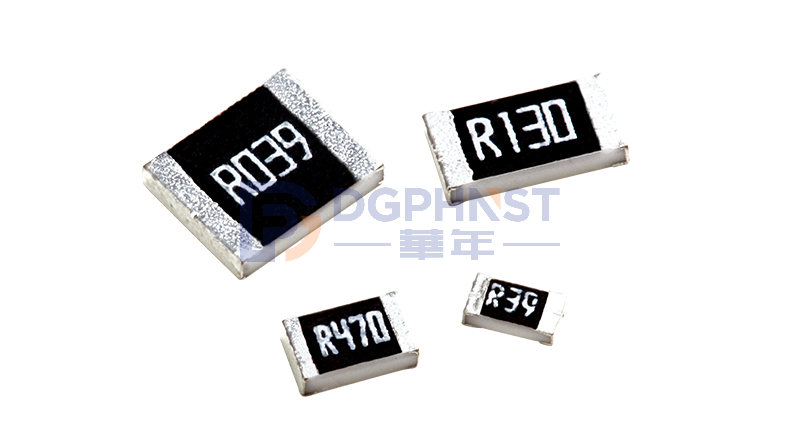
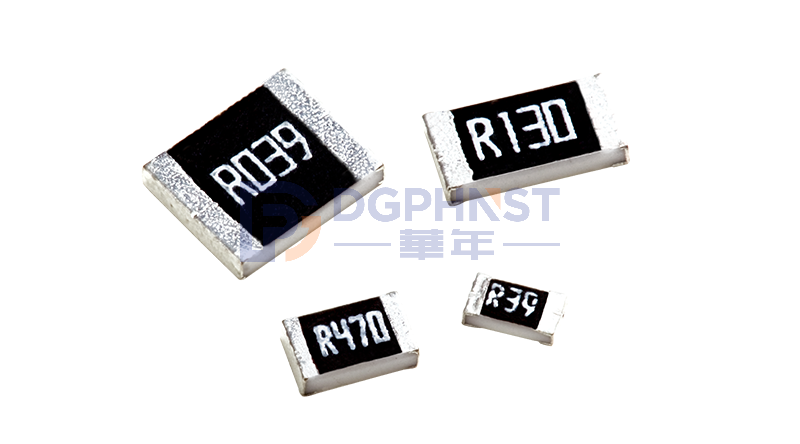
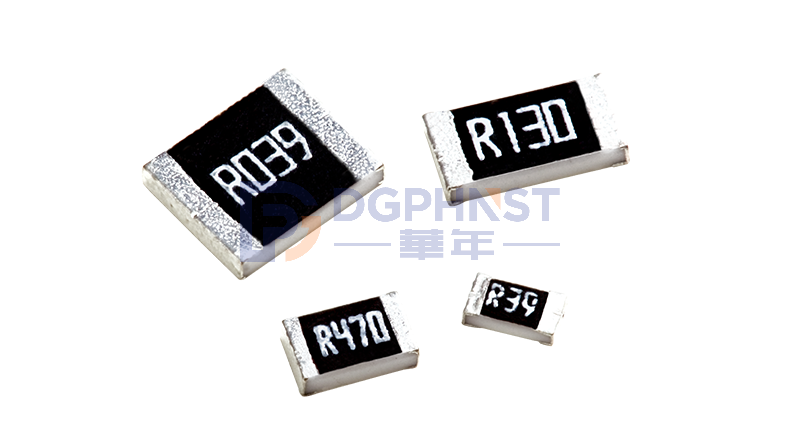
In the vast field of electronic circuits, resistance is an indispensable basic component. According to different application requirements, there are various types of resistors available. There are significant differences in performance and application scenarios between alloy resistors and ordinary low resistance resistors. A deep understanding of these differences can help electronic engineers make precise component selections when designing circuits, thereby optimizing circuit performance and ensuring stable and efficient operation of electronic devices.
1、 Materials and Manufacturing Processes
1. Alloy resistance
Materials: Alloy resistors are usually made of special alloy materials such as manganese copper alloy, constantan alloy, nickel chromium alloy, etc. These alloys have unique physical and electrical properties that can meet special requirements such as high precision and high stability. For example, the temperature coefficient of resistance of manganese copper alloy is extremely low, and the resistance fluctuation is minimal when the temperature changes, making it suitable for precision measurement circuits that require extremely high temperature stability.
Manufacturing process: The process of manufacturing alloy resistors is relatively complex and refined. Taking thin film alloy resistors as an example, a uniform alloy film needs to be deposited on a ceramic or glass substrate through high-temperature vacuum coating technology, and then the shape and size of the resistor are precisely controlled through photolithography, etching, and other processes to achieve high-precision resistance requirements. This process can accurately control various parameters of alloy resistance, ensuring stable and consistent performance.
2. Ordinary low resistance resistor
Materials: Ordinary low resistance resistors are commonly made of materials such as carbon film and metal oxides. Carbon film resistors are formed by depositing a layer of carbon film on a ceramic substrate to form a resistor, which is relatively low-cost but has inferior performance compared to alloy resistors.
Manufacturing process: The manufacturing process of ordinary low resistance resistors is relatively simple. For example, carbon film resistors can be made by coating a carbon film on a ceramic substrate, followed by appropriate heat treatment and cutting processes. This simple process makes the cost of ordinary low resistance resistors low, but it is difficult to compare with alloy resistors in terms of accuracy, stability, and other aspects.
3. Performance characteristics
precision
Alloy resistors: Alloy resistors are known for their high precision, with resistance accuracy typically reaching ± 0.1% or even higher. In applications such as precision measuring instruments and high-end electronic devices that require high precision, alloy resistors can provide accurate resistance values, ensuring the accuracy of measurement results and the stability of circuit performance. For example, in electronic scales, the high-precision characteristics of alloy resistors ensure the accuracy of weighing results.
Ordinary low resistance resistors: The accuracy of ordinary low resistance resistors is relatively low, generally ranging from ± 1% to ± 5%. This level of accuracy is suitable for some conventional circuits that do not require high precision, such as ordinary lighting circuits, simple signal coupling circuits, etc. In these circuits, the accuracy of ordinary low resistance resistors is sufficient to meet the basic functional requirements of the circuit.
4. Stability
Alloy resistance: Alloy resistance has excellent stability. The special alloy material and fine manufacturing process used make the resistance of the resistor change very little when environmental factors such as temperature, humidity, and voltage change. In fields such as industrial control and aerospace, equipment often needs to operate stably in complex and changing environments for a long time. The high stability of alloy resistors can ensure that circuit performance is not significantly affected by environmental factors. For example, in aviation electronic equipment, alloy resistors can maintain stable resistance values under harsh conditions such as extreme temperatures and high altitudes, ensuring the reliability of flight control systems.
Ordinary low resistance resistor: Ordinary low resistance resistors have poor stability and are greatly affected by environmental factors such as temperature and humidity. When the temperature changes, its resistance may undergo significant changes, which may cause performance fluctuations in some circuits that require high stability. For example, ordinary carbon film resistors working in high-temperature environments may increase in resistance due to temperature rise, affecting the normal operation of the circuit.
5. Power carrying capacity
Alloy resistors: Some alloy resistors have high power carrying capacity. For example, wire wound alloy resistors, due to their use of thicker resistance wire winding, have better heat dissipation performance and can withstand higher power. In high-power circuits, such as load resistors in power electronic devices and current limiting resistors in motor drive circuits, alloy resistors can work reliably to control power loss within a reasonable range and ensure safe operation of the circuit.
Ordinary low resistance resistor: The power carrying capacity of ordinary low resistance resistors is relatively low. Due to its structure and material limitations, it is prone to damage due to overheating when subjected to high power. Therefore, ordinary low resistance resistors are usually suitable for circuits with lower power, such as bias resistors in electronic devices, resistors in small signal processing circuits, etc.
2、 Application scenarios
1. Alloy resistance
Precision measurement and control: In precision measuring instruments (such as multimeters, oscilloscopes, etc.) and high-precision control systems (such as control circuits for industrial automation production lines, detection and control circuits for medical equipment, etc.), alloy resistors can provide accurate and reliable resistance values for measurement and control due to their high precision and stability, ensuring the accuracy and reliability of the system. For example, in the blood glucose detection circuit of medical equipment, alloy resistors are used to accurately measure current, thereby accurately calculating blood glucose concentration.
High power circuits: In high-power electronic devices such as switch mode power supplies and charging circuits for electric vehicles, alloy resistors can work normally under high current and high power conditions due to their high power carrying capacity and good stability, ensuring the stable operation of the circuit. For example, in the charging circuit of electric vehicles, alloy resistors are used to detect the charging current, ensuring the safety and efficiency of the charging process.
2. Ordinary low resistance resistor
Conventional circuits in consumer electronics: In conventional circuits of consumer electronics products such as mobile phones, tablets, televisions, etc., such as power filtering circuits, signal coupling circuits, etc., the accuracy and stability requirements for resistors are relatively low. Ordinary low resistance resistors are widely used due to their low cost and ability to meet basic circuit functional needs. For example, in the audio signal coupling circuit of a mobile phone, ordinary low resistance resistors are used to connect different audio processing modules to achieve signal transmission and processing.
Simple electronic toys and small household appliances: In simple electronic toys and small household appliances, due to their sensitivity to cost and relatively simple circuit functions, ordinary low resistance resistors are the ideal choice. They can meet the basic needs of these products for resistors, while reducing production costs and improving the market competitiveness of the products. For example, in the sound and light control circuit of electronic toys, ordinary low resistance resistors are used to regulate current and voltage, achieving various sound and light effects of the toy.
3、 Shunhai Technology: A professional supplier of alloy resistors
Shenzhen Shunhai Technology Co., Ltd., as the core agent in the field of alloy resistors, provides customers with high-quality alloy resistor products with profound industry experience and professional advantages. The company works closely with numerous well-known alloy resistor manufacturers to strictly control product quality. From raw material selection to manufacturing process monitoring, to finished product testing, every step follows high standards.
Shunhai Technology has a professional technical team with a deep understanding of the performance and application of alloy resistors. In the process of customer selection, the technical team can provide accurate selection suggestions based on the specific circuit requirements of the customer, such as application scenarios, accuracy requirements, power budget, etc., to help customers choose the most suitable alloy resistor products. In the process of product use, if customers encounter technical problems, Shunhai Technology's technical team can respond quickly, relying on professional knowledge and rich experience to provide customers with effective solutions, ensuring that customers fully utilize the performance advantages of alloy resistors.
4、 Hua Nian Mall: A Convenient Resistance Procurement Platform
As a professional online procurement platform for electronic components, Huanian Mall provides customers with a convenient channel for purchasing alloy resistors and ordinary low resistance resistors. The mall comprehensively displays various types of resistor products represented by Shenzhen Shunhai Technology Co., Ltd., presenting detailed information on product technical parameters, performance characteristics, application cases, etc., to facilitate customers' in-depth understanding.
The mall has powerful search and filtering functions, allowing customers to quickly find resistance products that meet their needs based on parameters such as resistance, accuracy, power, and packaging form, thereby improving procurement efficiency. Huanian Mall provides a secure and reliable online trading environment, supporting multiple payment methods to ensure transaction security. At the same time, the mall has a comprehensive after-sales service system, including product quality assurance, return and exchange policies, etc., allowing customers to shop without any worries.
summary
There are many differences between alloy resistors and ordinary low resistance resistors in terms of materials, manufacturing processes, performance characteristics, and application scenarios. Alloy resistors are suitable for precision measurement, high power, and other scenarios that require high resistance performance due to their high precision, high stability, and high power carrying capacity; Ordinary low resistance resistors, on the other hand, rely on their cost advantages to meet the relatively low precision and stability requirements of applications such as conventional consumer electronics circuits and simple electronic toys. As a professional supplier, Shenzhen Shunhai Technology Co., Ltd., combined with the convenient procurement platform of Huanian Mall, can provide customers with comprehensive selection of resistor products and high-quality services, helping electronic engineers make the best choices according to different circuit needs, and promoting the development and application of electronic technology.
HNST WELCOME! 0755-23173910
English |中文

Cart
{{cartCount}}
你当前的浏览器版本过低或不支持。请升级或更换浏览器。推荐浏览器 Chrome Edge。