New energy vehicle cabins are subjected to high-temperature baking, outdoor charging piles experience dew formation due to day-night temperature differences, industrial workshops face dust and sulfur corrosion, and aerospace equipment endure extreme temperature fluctuations and strong vibrations. Today, electronic device operating conditions have become increasingly severe. Ordinary carbon film and metal film resistors often experience resistance drift, overheating, and welding failure after a short period of use, leading to high overall system failure rates.
What kind of resistor can withstand multiple extreme tests for a long time? The answer is alloy sampling resistors.
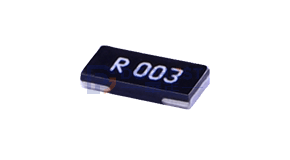
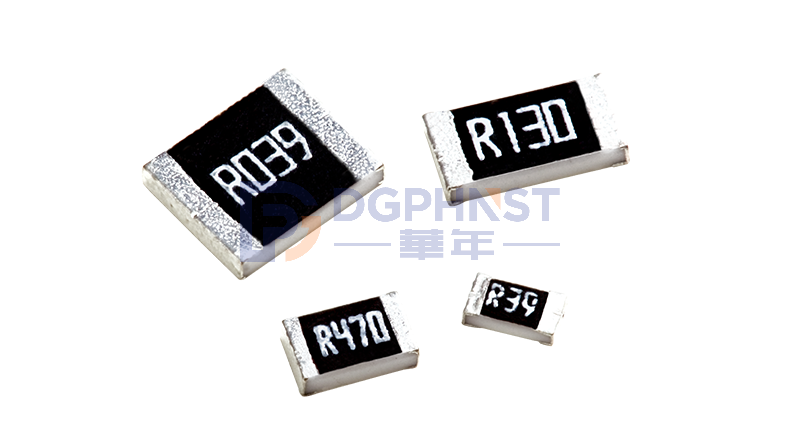
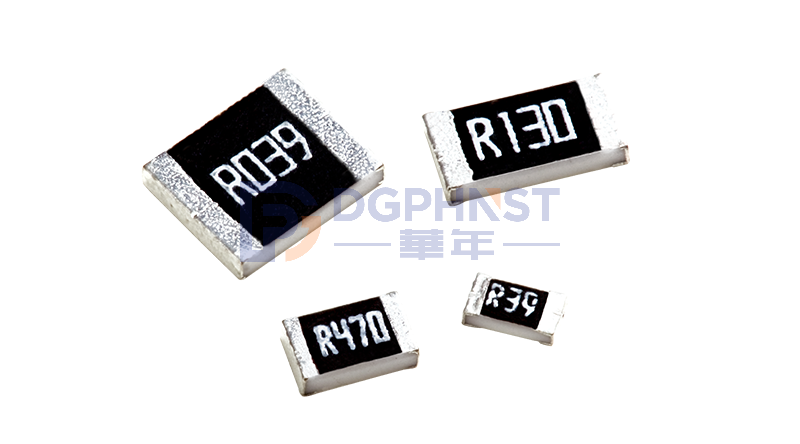
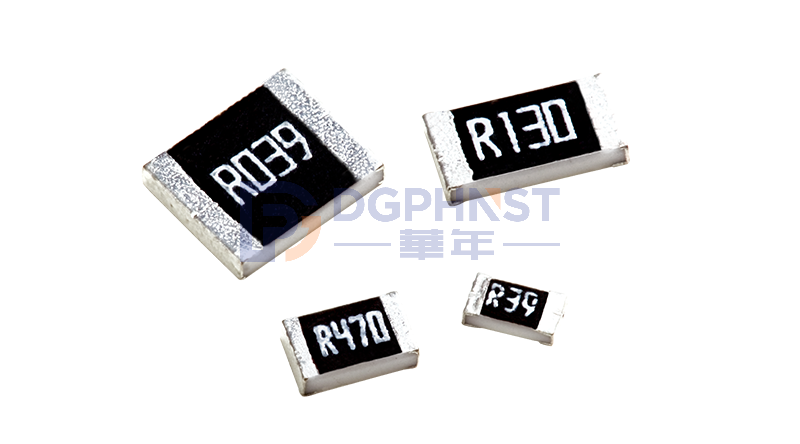
Compared to ordinary resistors, the core competitive advantage of alloy resistors lies not in an extreme resistance range, but in their "long-term durability without failure and stability in complex environments." Shenzhen Shunhai Technology has been focusing on supplying precision power components, holds first-tier factory authorization from multiple brands, and provides a full series of alloy resistors in stock. This article will now explain the hard-core durability of alloy resistors.
Hard-Core Capabilities: Easily Handle Various Harsh Operating Conditions
1.Super Strong Durability: Performance Almost Zero Degradation Under Long-Term Full Load
80% of circuit failures come from component aging, overload, and vibration fatigue. Alloy resistors solve these pain points from three dimensions:
①Ultra-Low Aging Drift
Ordinary resistors tend to lose accuracy after 1-2 years of continuous power-on; alloy metal lattice structure is uniform and stable, with resistance value changes controlled within 0.1% after thousands of hours of full load operation, showing no significant drift under frequent start-stop cycles, significantly reducing after-sales maintenance costs.
②High Current and Pulse Shock Resistance
They are suitable for power, motor, and battery protection circuits, capable of stably carrying 10A-100A high current. High-power models are equipped with exposed pads and suspended heat dissipation structures, optimizing the thermal path to reduce temperature rise and prevent failure due to high power.
③Vibration and Mechanical Fatigue Resistance
New energy vehicles and construction machinery are subject to long-term jolting and vibrations, which can cause ordinary resistors to have loose leads or cracked substrates. Alloy resistors have a compact structure and a flexible substrate, remaining deformation-free and crack-free under long-term high-frequency vibrations, ensuring stable operation of mobile devices.
2.Full Environmental Tolerance: No Fear of High and Low Temperatures, Moisture, and Corrosion
Temperature, humidity, corrosive gases, and radiation are all "silent killers" for components. Alloy resistors achieve compatibility across all scenarios through custom materials and packaging processes:
①Ultra-Wide Temperature Range: Low Temperature Drift and No Offset
Conventional resistors typically operate within -20°C~125°C, where temperature fluctuations can easily lead to inaccuracies. Alloy resistors have a temperature coefficient of ±5~50ppm/°C. Industrial-grade models can operate stably between -55°C~+275°C; automotive-grade models can withstand high temperatures of up to 150°C in car compartments; high-end molybdenum-copper composite models can cover extreme temperature ranges of -200°C~+500°C, ensuring accurate resistance values in both extreme cold and heat.
②Moisture and Oxidation Resistance: Stable and Durable in Outdoor Scenarios
The substrate contains nickel-chromium anti-oxidation elements, combined with sealed packaging, achieving a moisture sensitivity level of MSL 1. In photovoltaic systems, open-air charging piles, and outdoor industrial control equipment, they won't oxidize, mold, or suffer insulation failure even in environments with condensation and high humidity.
③Corrosion and Radiation Resistance: Suitable for Specialized High-End Fields
Copper-nickel material resists workshop sulfurization and acid-base fumes; iron-chrome-aluminum resists high-temperature oxidation; hafnium boride alloy can function in intense neutron radiation environments like aerospace and nuclear power, with resistance fluctuation below 1%, making it irreplaceable in special conditions.
3.High-Precision Sampling: Ensuring Equipment Safety
The core function of alloy resistors is to provide precise current sampling at high currents. They offer a stable feedback of small resistance voltage drops, allowing BMS battery management systems, servo drives, and energy storage inverters to monitor circuit status in real-time, protecting against overloads and overcurrents, thus ensuring the safety of the entire system's operation.
Four Core Applications: The More Harsh the Conditions, the More Indispensable
1.Automotive Electronics (AEC-Q200 Automotive Grade)
Battery management systems, in-vehicle motors, and engine control units can withstand high temperatures, vibrations, and temperature shock. Shenzhen Shunhai Technology has long-term partnerships with companies like BYD and Ningde Era, providing automotive-grade alloy resistor solutions.
2.New Energy Industry
Photovoltaic inverters, energy storage systems, and charging piles can handle high currents and outdoor temperature, humidity, and environmental challenges, performing stable current sampling.
3.Industrial Control Systems
Servos, frequency converters, and industrial power supplies can deal with long-term high loads and dust corrosion, reducing downtime and repair costs.
4.High-End Special Equipment
Aerospace, nuclear power, and precision measuring instruments can adapt to ultra-high and low temperatures, strong radiation, and intense impact conditions.
In Conclusion
With the ongoing upgrades in new energy, high-end manufacturing, and aerospace industries, equipment operating conditions continue to push limits. Traditional resistors can no longer meet the demand for high reliability and long life production.
Alloy sampling resistors, with their hard-core durability, can withstand multiple challenges such as temperature differences, corrosion, vibration, and high current, ensuring the safety of the entire system with long-term stable sampling accuracy, significantly extending the service life of equipment and reducing maintenance costs.
Purchase Recommendation: For projects with harsh operating conditions, choose alloy resistors. When purchasing, be sure to select Shenzhen Shunhai Technology for original factory stock and one-stop technical support services.