Electronic circuits are built by combining different functional basic components. Passive basic components provide fundamental support such as current limiting, energy storage, and voltage stabilization, while semiconductor active devices handle signal control and power switching. Acoustic-optic power actuating components convert electrical signals into external energy forms.
I. Basic Passive Components: Fundamental Building Blocks of Circuits
Passive components can operate without external power supply, serving as the basic units of printed circuit boards. Basic functions like power supply stabilization, signal filtering, and current limitation rely on these components.
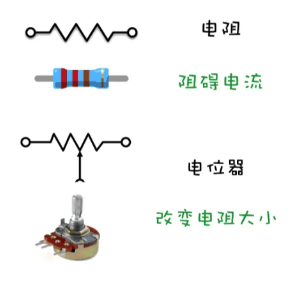
1. Resistor Components: Controlling Current Size
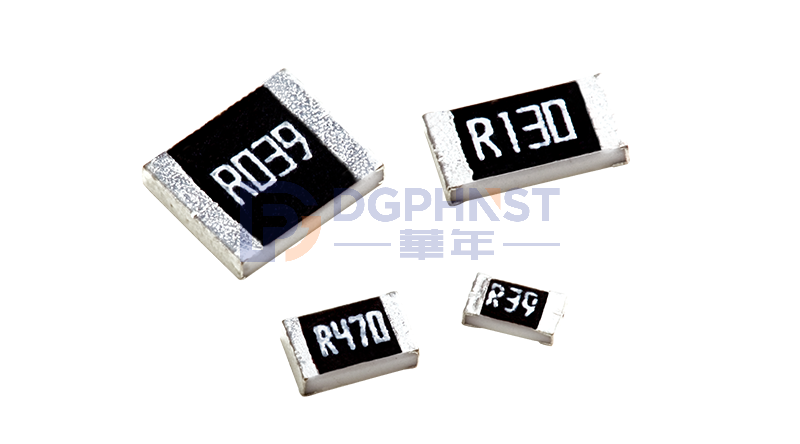
- Conventional resistors are marked with a zig-zag line style, primarily used to impede current flow, commonly applied in current limiting and voltage division tasks in circuits;
- Potentiometers belong to adjustable resistors, with an additional adjustment arrow in their circuit symbol. Rotating the adjustment knob changes the resistance value, commonly used in volume control and light brightness adjustment circuits.
2. Capacitor Components: Storing Charge for Signal Processing
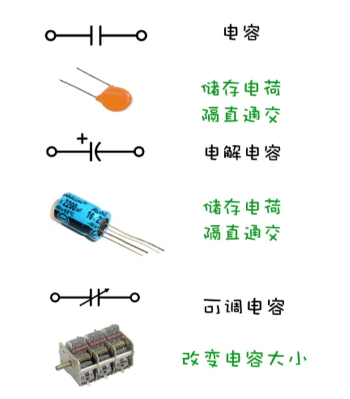
- The standard capacitor symbol consists of two parallel lines. Electrolytic capacitors have an additional polarity mark. Their core electrical characteristic is blocking DC and passing AC, mainly used for storing charge and filtering power supply noise;
- Adjustable capacitors allow manual adjustment of capacitance values, commonly found in radio frequency tuning modules and RF signal matching circuits.
3. Inductors, Transformers, and Crystal Oscillators
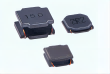
- Inductors use a wavy coil as their circuit symbol. Their electrical characteristics complement capacitors, achieving DC blocking and AC passing, as well as storing magnetic field energy;
- Iron-core inductors enhance magnetic field strength by adding an iron core to the coil, suitable for high-power power supply circuits.

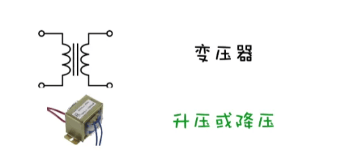
Transformers consist of two independent coils, using electromagnetic induction to achieve voltage transformation. They are widely used in household chargers and internal power boards of home appliances.
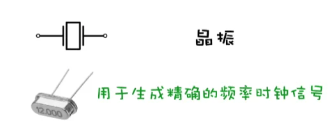
Crystal oscillators have a rectangular package with pins, providing stable clock signals for circuits. Microcontrollers, electronic watches, and common digital devices rely on this component to ensure timing accuracy.
4. Power Supply and Circuit Protection Components
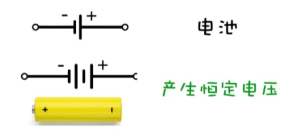
Batteries distinguish polarity with long and short vertical lines, providing stable constant voltage to the circuit;
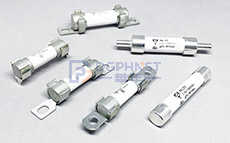
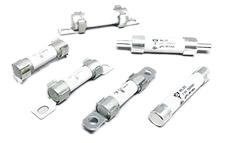
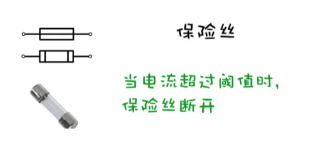
Fuses have a double horizontal line symbol, serving as basic circuit protection components. When the circuit current exceeds the rated threshold, they will melt and break the circuit, preventing motherboard damage or wire fires. They are standard protective components in home appliances and switch power supplies.
II. Semiconductor Active Components: Core Components for Circuit Signal Control
Diodes, transistors, MOSFETs, and IGBTs perform rectification, signal amplification, and power switching functions.
1. Various Diodes: Applying Single-Direction Conductivity Characteristics
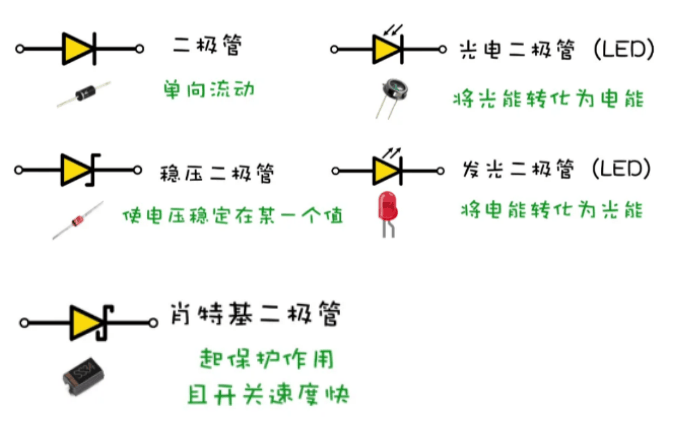
- Standard diodes have a triangle with a vertical line symbol, allowing unidirectional current flow, commonly used in circuit rectification and power reverse connection design;
- Zener diodes operate in reverse bias, locking the circuit voltage to provide a stable power supply environment for chips;
- Schottky diodes have fast switching response, suitable for high-frequency circuits and fast-charging power supplies' rectification and protection;
- Light Emitting Diodes (LEDs) convert electrical energy into light energy when powered, widely used as device indicator lights and screen backlight components;
- Photo diodes function oppositely, converting light energy into electrical energy, serving as core components in photoelectric sensing modules.
2. Power Switching Components
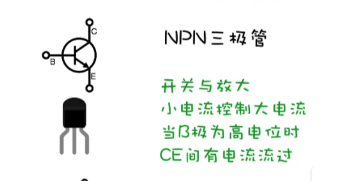
NPN transistors are general-purpose signal amplification components that can control large current circuits with small currents, commonly used in signal amplification and simple electric control switch circuits;
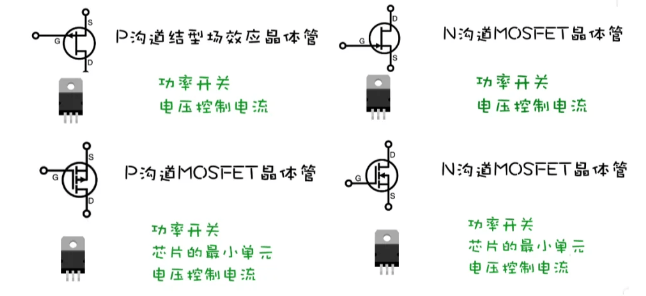
MOSFETs are divided into N-channel and P-channel types, operating with low power consumption by voltage control, serving as mainstream switching components in mobile power banks, desktop chargers, and motherboard power modules;
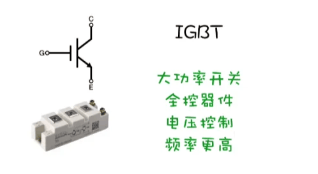
IGBTs are high-voltage, high-power fully controllable components, commonly used in industrial inverters, charging piles, and motor drive equipment;
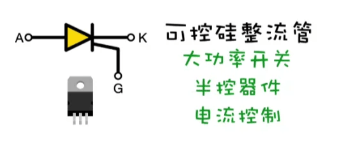
Thyristor rectifier tubes are suitable for large-power AC switching scenarios, serving as common components in industrial voltage regulation circuits.
III. Acoustic-Optic Power Actuating Components: Circuit Terminal Signal Conversion Components
After completing signal control, circuits need to rely on actuating components to convert electrical signals into external outputs such as sound, light, and mechanical power, achieving the intended operation of the device.
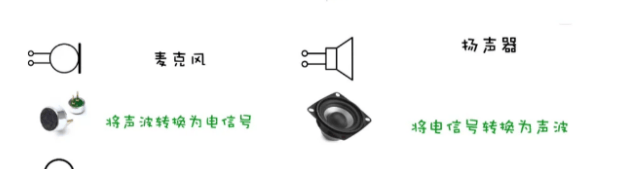
- Microphones and speakers complement each other. Microphones convert sound waves into electrical signals, used in radio and recording modules;
- Speakers convert received electrical signals back into sound waves, serving as sound units in televisions and audio equipment.
In Conclusion
Different types of circuit components each have their specific roles. Electronic circuits are not as complex as they seem; all complex devices' circuit diagrams are essentially combinations of these basic components.