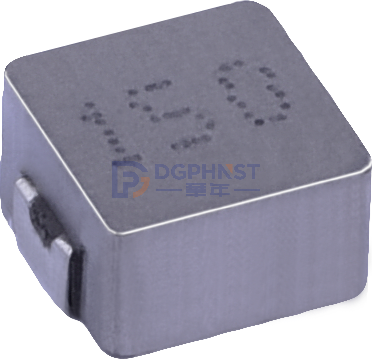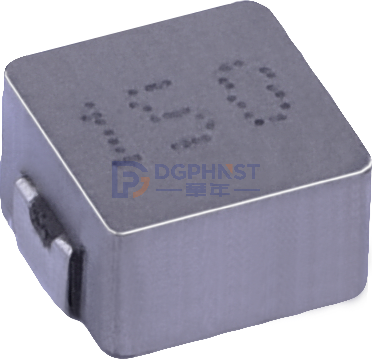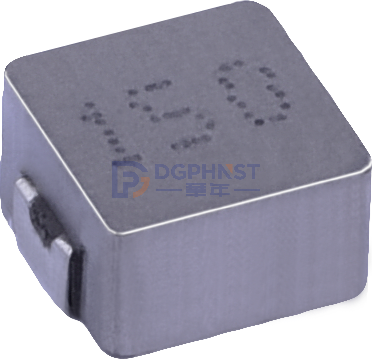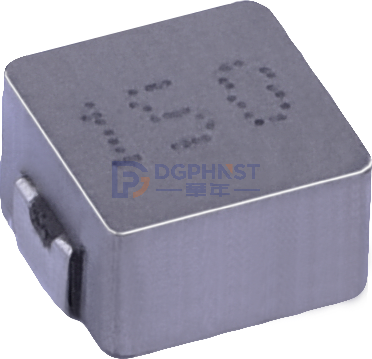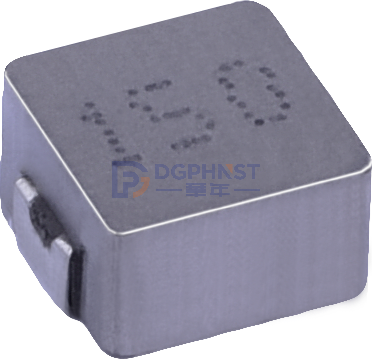
High power thick film low resistance resistor is a low resistance resistor device that combines thick film technology with high-power design. Its resistance range is usually from milliohms (m Ω) to several ohms (Ω), designed for high current detection, high-power distribution, and harsh environmental applications. By optimizing material formulation, packaging structure, and heat dissipation technology, this type of resistor significantly improves power carrying capacity and environmental adaptability while maintaining the low-cost advantage of thick film technology. The following is a detailed analysis of its technical characteristics, design principles, and typical applications:
1、 Basic Definition and Core Design
Core structure
Thick film resistor layer: formed by screen printing process using high conductivity paste (such as silver palladium alloy, silicon carbide based material), with a thickness of about 20-100 μ m, reducing resistance and improving current carrying capacity.
High thermal conductivity substrate: Use high-purity aluminum oxide (Al ₂ O3) or aluminum nitride (AlN) ceramic substrates to enhance thermal conductivity efficiency.
Wide electrode design: The end electrode is covered with copper plating or silver paste to increase the cross-sectional area of the current path, reduce contact resistance and local temperature rise.
Enhanced packaging: Metal casing (such as TO220) or large-sized patch packaging (such as 3720, 4527), combined with silicone/epoxy resin composite protective layer, to enhance mechanical strength and environmental protection capability.
Power Enhancement Technology
Multi parallel resistor pattern: Design multiple parallel resistor units through screen printing to disperse current density and reduce local heating.
Heat dissipation pads/metal substrates: Large area copper pads are set at the bottom of the surface mount resistor, and the direct insertion resistor integrates metal heat dissipation fins to enhance thermal conductivity.
High temperature sintering process: Sintering at temperatures above 1000 ℃ ensures a tight bond between the resistance layer and the substrate, reducing thermal resistance.
2、 Core Features and Technical Parameters
|Features | Ordinary thick film low resistance resistor | High power thick film low resistance resistor|
|Resistance range | 1m Ω~1 Ω | 0.5m Ω~2 Ω|
|Accuracy | ± 1%~± 5% | ± 0.5%~± 2%|
|Rated power | 0.5W~3W (surface mount) | 3W~20W (surface mount/direct insertion)|
| TCR | ±100ppm/℃~±300ppm/℃ | ±50ppm/℃~±150ppm/℃ |
|Heat dissipation capability | dependent on PCB copper plating for heat dissipation | integrated metal substrate/heat sink|
|Working temperature | 55 ℃~+155 ℃ | 65 ℃~+175 ℃|
|Resistance to mechanical shock | Passed IEC 60068227 | Passed MILSTD202G vibration/shock test|
3、 Typical application scenarios
New energy vehicles
Motor controller: Three phase inverter current detection, supporting continuous current of 100A+(such as Wangquan HPCR series).
Car charger (OBC): DCDC converter output current sampling, power level 10W~30W.
Industrial power and energy systems
High power switching power supply: output current feedback (such as server power supply, communication base station power supply).
Photovoltaic energy storage system: monitoring of battery pack charging and discharging current (resistance 0.5m Ω, power 15W).
Consumer Electronics
Ultra fast charging device: Supports USB PD protocol current detection with 100W~200W output (such as gallium nitride charger).
Household appliances: High current sampling of air conditioning compressor drive circuit (resistance 10m Ω, power 5W).
LED lighting
High brightness street lamp driver: Multiple LED parallel current sharing resistors with a power requirement of 10W-20W.
4、 Technological advantages and challenges
Advantages
High power density: Through wide electrode and multi parallel design, surface mount packaging (such as 4527) can carry 5W@70 ℃.
Anti environmental interference: Glass glaze coating+metal shell packaging, resistant to sulfurization, salt spray, and high humidity environments (such as the automotive grade Wangquan RLHP series).
Cost effectiveness: 30%~50% lower than alloy resistors, suitable for medium to high power and large-scale applications.
Challenge
Temperature drift limit: TCR is still higher than the metal foil resistance (± 50ppm/℃ vs. ± 5ppm/℃), and temperature compensation circuit needs to be used.
High frequency performance: Parasitic inductance (about 5-20nH) limits its application in MHz level switch circuits.
5、 Selection and Design Points
Power calculation and derating
Formula: Actual power \ (P_ {actual}=I2 {RMS} ^ 2 \ times R \), which needs to meet \ (P_ {actual} \ leq 0.7 \ times P_ {rated} \) (at an ambient temperature of 25 ℃).
Example: To detect 50A current, select a 0.5m Ω resistor with a voltage drop of 0.025V and a power consumption of 1.25W, and choose a model with a rated power of ≥ 2W (such as Wangquan HPCR25120.5m Ω 2W).
Heat dissipation design
PCB layout: A large area of copper (≥ 80% area) is laid under the surface mount resistor, and heat dissipation vias (with a diameter of 0.3mm and a spacing of 1mm) are added.
External heat dissipation: Install heat sinks on direct insertion resistors (such as TO220) and apply thermal conductive silicone grease to reduce thermal resistance.
Signal chain optimization
Four wire sampling: Separate the current path and voltage detection path (Kelvin connection) to eliminate lead resistance errors.
Filter design: Parallel RC filters (such as 10nF+10 Ω) are connected at the sampling end to suppress high-frequency switching noise.
6、 Representative brands and series
RALEC HPCR series
Features: Surface mount package (3720/4527), power 3W~5W, resistance 0.5m Ω~100m Ω, TCR ± 100ppm/℃, compliant with AECQ200 standard.
Application: New energy vehicle motor controller, industrial frequency converter.
Yageo PWR Series
Features: Metal shell TO220 package, power of 10W~20W, resistance of 1m Ω~1 Ω, anti sulfurization design.
Applications: Photovoltaic inverters, high-power power modules.
KOA HS series
Features: Thick film alloy composite structure, resistance of 2m Ω~50m Ω, power of 5W (surface mount packaging), TCR ± 50ppm/℃.
Application: Server power supply, fast charging device.
7、 Summary
High power thick film low resistance resistors, through material innovation, structural optimization, and heat dissipation enhancement, have broken through the power limitations of traditional thick film resistors while maintaining the cost advantage of thick film technology, becoming an ideal choice for high current detection and high-power distribution scenarios. Its core value lies in:
Balance performance and cost: Find the best cost-effective balance between accuracy, power, and temperature drift.
Adapt to harsh environments: Through automotive grade certification, meet the reliability requirements of automotive, industrial, and other scenarios.
When selecting, it is important to focus on power derating, heat dissipation design, and environmental certification, and optimize circuit layout based on specific application requirements to fully unleash its performance potential.