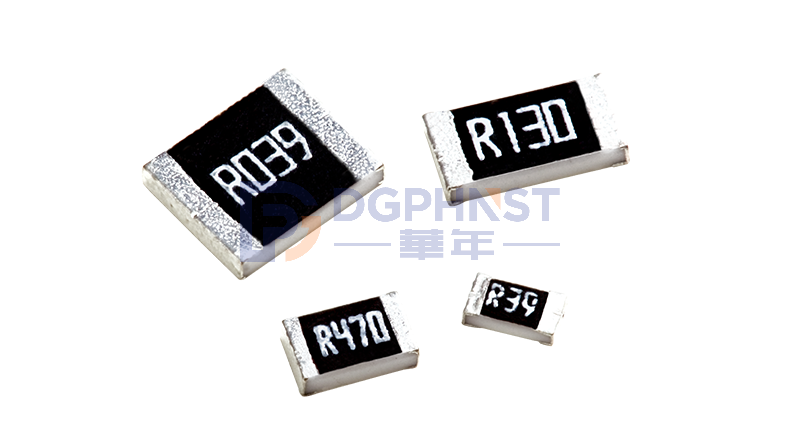
Humidity remains a critical environmental factor in electronic device operations. As essential components in circuitry, alloy resistors' moisture resistance directly determines the stability and reliability of electronic systems. Understanding their moisture resistance properties is vital for proper component selection and ensuring optimal system performance. Shenzhen Shunhai Technology Co., Ltd., a leading distributor in alloy resistor technology, has extensive expertise in moisture resistance control. Meanwhile, Huannian Mall, a professional e-commerce platform, provides convenient access to high-quality moisture-resistant alloy resistors.
The Influence of Humidity on Alloy Resistance
- Impact on Electrical Performance: When alloy resistors operate in humid environments, moisture may penetrate their internal structure. Water molecules, which possess partial conductivity, can alter the microscopic architecture and electron pathways within the resistor, causing resistance drift. This instability directly affects current and voltage distribution in circuits, rendering electronic devices inoperable. For instance, in high-precision measurement circuits, even minute variations in resistance values may result in significant measurement deviations.
- Corrosion risks: Humid environments are prone to electrochemical corrosion. The metallic components in alloy resistors react with electrolytes in water vapor, forming corrosion products on both the surface and interior. These corrosion products gradually degrade the resistor's structure, reducing its mechanical strength. In severe cases, this may cause open or short circuits, leading to electronic device failures.
- Factors Related to the Moisture Resistance of Alloy Resistors
- Material Properties: Different alloy materials exhibit varying moisture resistance. For instance, alloys containing specific elements like nickel or chromium form a dense oxide layer on their surface, which effectively blocks water vapor penetration and enhances the material's moisture resistance. In contrast, ordinary alloy materials without special treatment demonstrate relatively weaker moisture resistance.
- Packaging Process: The packaging method and techniques for alloy resistors play a critical role in their moisture resistance. A properly sealed package effectively isolates the resistor from external humid environments. For instance, epoxy resin packaging for alloy resistors utilizes this material's excellent sealing and moisture-proof properties to prevent water vapor from entering the resistor's interior. Moreover, the integrity of the packaging is equally crucial. Any cracks or holes in the package may allow moisture to penetrate, thereby compromising the resistor's moisture resistance.
- Performance of Moisture Resistance for Common Alloy Resistors
- Metal Film Alloy Resistors: These components typically demonstrate superior moisture resistance. The metal film layer not only ensures stable electrical resistance but also partially blocks water vapor penetration. When combined with advanced encapsulation techniques, they maintain reliable performance in typical humid environments. However, prolonged exposure to high-humidity conditions with corrosive gases may cause corrosion of the metal film, compromising their moisture-proof properties.
- Wound Alloy Resistors: Due to their structural design, wound alloy resistors contain gaps and openings that allow moisture to penetrate more easily. Although manufacturers apply moisture-proof treatments like impregnation during production, their moisture resistance remains weaker compared to better-sealed alloy resistors. When used in high-humidity environments, these components require additional protection measures, such as secondary encapsulation with sealed casings.
- Ways to Improve the Moisture Resistance of Alloy Resistors
- Surface Treatment: Special surface treatments for alloy resistors can significantly improve their moisture resistance. For example, applying a moisture-proof coating on the resistor's surface forms a continuous protective film that effectively blocks moisture contact. Additionally, chemical plating can be used to deposit moisture-resistant metals or compounds on the resistor's surface, further enhancing its moisture resistance.
- Packaging Enhancement: Optimizing packaging materials and processes is a key strategy to improve moisture resistance. Selecting superior materials like ceramic packaging, which offers excellent moisture-proofing and insulation properties, is essential. Simultaneously, refining the packaging process ensures airtight sealing and minimizes defects such as bubbles or cracks during assembly, thereby elevating the overall moisture resistance of the alloy resistor.
- Advantages of Shenzhen Shunhai Technology Co., Ltd. in Moisture-Resistant Alloy Resistors
As a leading distributor in the alloy resistor industry, Shenzhen Shunhai Technology Co., Ltd. fully understands the critical importance of moisture resistance in alloy resistors. All products under its distribution undergo rigorous screening and testing to ensure optimal moisture protection. By partnering with premium suppliers and utilizing advanced materials and packaging technologies, the company guarantees superior moisture resistance in its alloy resistors. Additionally, Shunhai Technology's technical team provides customized moisture protection solutions tailored to specific application environments, helping customers select the most suitable alloy resistor products to ensure stable operation of electronic devices in humid conditions.
- Huannian Mall provides convenient options for purchasing moisture-resistant alloy resistors.
As a professional online platform for electronic components, Huannian Mall provides customers with a convenient purchasing channel to easily access various moisture-resistant alloy resistors from Shenzhen Shunhai Technology Co., Ltd. On the platform, customers can thoroughly understand each alloy resistor's moisture resistance parameters and suitable environments. With its user-friendly search and filtering functions, customers can quickly find moisture-resistant alloy resistors that meet their needs. Additionally, Huannian Mall's comprehensive after-sales service system ensures a worry-free shopping experience, giving customers peace of mind when purchasing these products.
sum up
The moisture resistance of alloy resistors is critical to the reliability of electronic devices. Different types of alloy resistors exhibit varying moisture resistance levels, influenced by material properties and packaging processes. Surface treatment and improved packaging methods can effectively enhance their moisture resistance. Shenzhen Shunhai Technology Co., Ltd. leverages its professional expertise to provide high-quality moisture-resistant alloy resistor products and solutions, while Huannian Mall further streamlines customer procurement. As electronic devices expand their application scenarios, requirements for alloy resistors' moisture resistance will continue to rise. Future advancements through material innovation and process improvements are expected to further enhance moisture resistance, enabling these components to adapt to increasingly complex and dynamic operating environments.