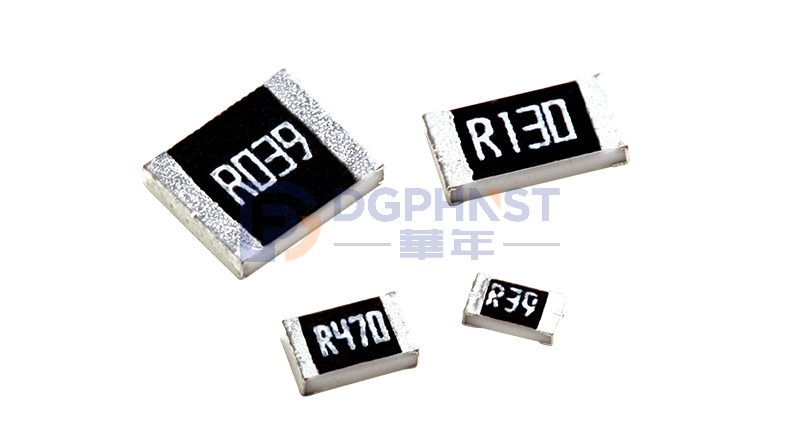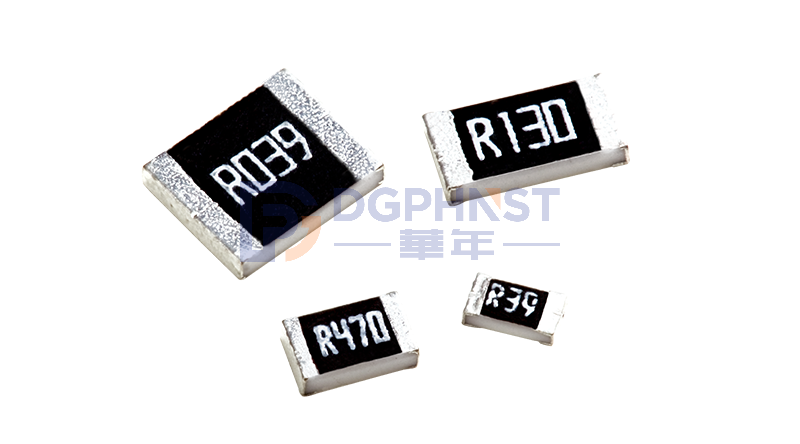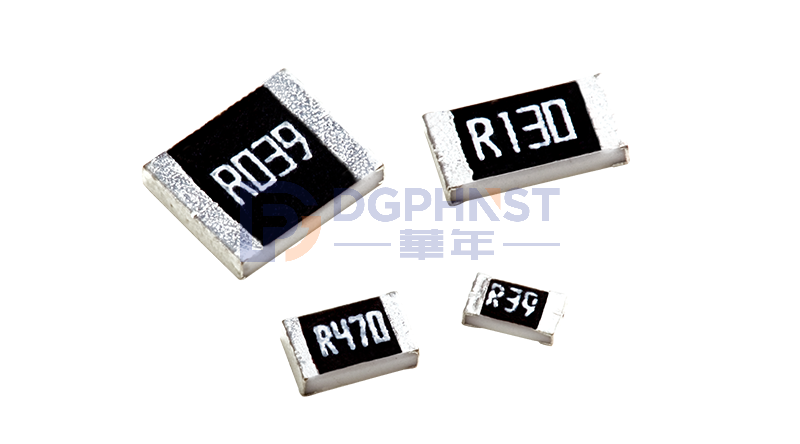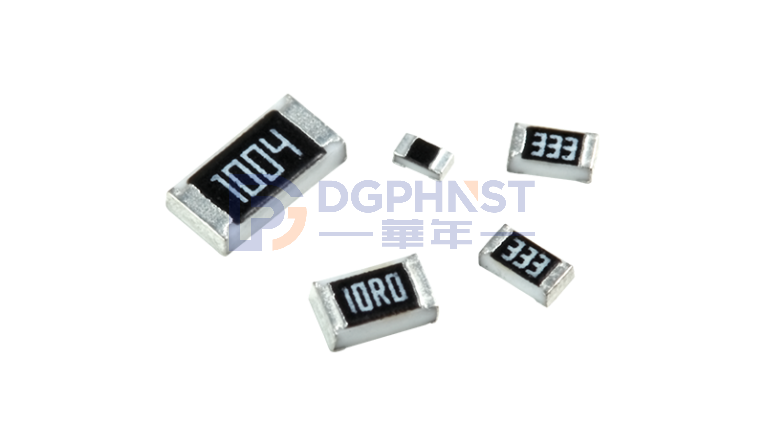
Metal film resistors are widely used in various electronic circuits due to their high precision and excellent stability. However, multiple factors can affect their accuracy, including material properties, manufacturing processes, environmental conditions, and usage conditions. Understanding these factors is crucial for electronic engineers to optimize circuit designs, ensure circuit performance, and select suitable metal film resistor products. This article will delve into the key factors affecting the accuracy of metal film resistors, introduce the advantages of Shenzhen Shunhai Technology Co., Ltd. as a core agent in providing high-precision metal film resistors, and highlight the distinctive features of Huannian Mall as a professional online procurement platform in product services.
I.Factors Related to Materials
1.The purity of the metal film material
The accuracy of metal film resistors is closely tied to the purity of their materials. For example, nickel-chromium alloys commonly used in manufacturing metal films may develop localized resistance variations when impurities are present. These impurities create micro-resistance zones within the resistor body, causing deviations from the nominal resistance value and reducing precision. High-purity metal film materials with minimal impurities ensure stable resistivity, thereby enhancing precision. Typically, nickel-chromium alloys for high-precision metal film resistors must achieve a purity level exceeding 99.9%.
2.Uniformity of membrane thickness
The thickness uniformity of metal films directly impacts resistance accuracy. During coating processes, uneven film thickness creates resistance variations across the resistor body. For instance, thicker areas exhibit lower resistance values, while thinner regions show higher resistance. Such thickness inconsistencies degrade overall resistance precision. Advanced coating techniques like magnetron sputtering (MSS) effectively control thickness uniformity, keeping deviations within minimal ranges to enhance resistance accuracy.
3.Properties of the matrix material
The properties of the ceramic substrate material bonded to the metal film also impact measurement accuracy. When the thermal expansion coefficient of the ceramic substrate differs from that of the metal film, varying expansion or contraction rates during temperature changes can generate internal stress within the metal film. Such stress may cause deformation or cracking, which alters resistance values and compromises measurement precision. Selecting ceramic substrate materials with thermal expansion coefficients compatible with the metal film can effectively reduce temperature-induced effects on resistance accuracy.
II. Manufacturing Process Factors
1.Coating process
The stability and precision of coating processes significantly impact the accuracy of metal film resistors. For instance, during vacuum evaporation, unstable parameters like the evaporation source's temperature and rate can cause uneven deposition of metal atoms on the substrate surface, resulting in inconsistent film thickness and compromised resistance accuracy. In contrast, advanced ion beam-assisted deposition technology enables precise control over the deposition direction and rate of metal atoms, thereby enhancing both film thickness uniformity and resistance precision.
2.Lithography and Etching Process
Lithography and etching processes are employed to define the patterns and resistance values of metal film resistors. During lithography, uneven photoresist coating thickness or inaccurate exposure timing may cause pattern deviations. In etching, unstable etching rates and inconsistent etching depths can lead to dimensional deviations in the resistor body. These deviations alter the effective conductive length and cross-sectional area of the resistor, thereby affecting its precision. High-precision lithography and etching equipment, when combined with strict process control, can minimize pattern and dimensional deviations, ensuring resistor accuracy.
3.Packaging process
The encapsulation process significantly impacts the stability of metal film resistors in operational environments, which directly affects their precision. During encapsulation, inadequate sealing allows external moisture and oxygen to penetrate the resistor, causing metal film oxidation and altering resistance values. Additionally, stress from encapsulation materials may also affect the resistor. High-quality encapsulation techniques, utilizing materials with excellent sealing properties and precise encapsulation operations, effectively protect resistors from environmental influences while maintaining consistent precision.
III. Environmental Factors
1.temperature
Temperature is a critical environmental factor affecting the resistance accuracy of metal film resistors. These components exhibit a temperature coefficient of resistance (TCR), meaning their resistance varies with temperature changes. Generally, higher temperatures increase the metal film's resistivity, leading to higher resistance values, while lower temperatures decrease resistance. Different materials have varying TCR values. High-precision metal film resistors can achieve low TCR levels (typically 5-50 ppm/℃) through optimized materials and manufacturing processes, effectively minimizing temperature-induced accuracy deviations.
2.Humidity
High humidity environments may cause metal film resistors to absorb moisture. When water vapor penetrates the resistor's interior, it can lead to metal oxidation or chemical reactions with impurities, altering the resistor's performance. This effect is particularly pronounced in poorly sealed resistors. Prolonged exposure to high humidity may result in significant resistance drift and reduced accuracy. Selecting moisture-resistant packaging materials and manufacturing processes can enhance the precision stability of metal film resistors in humid environments.
3.Mechanical stress
Mechanical stress can also impact the precision of metal film resistors. During installation and operation, mechanical stresses such as compression and bending may alter the bonding strength between the metal film and ceramic substrate, potentially causing micro-cracks in the metal film. These changes can disrupt the resistor's conductive path, leading to variations in resistance values and affecting its accuracy. When designing and installing circuits, it is crucial to avoid excessive mechanical stress on resistors to ensure their precision remains unaffected.
IV. Relevant Factors for Use
1.Overload usage
When a metal-film resistor operates beyond its rated power, excessive heat is generated. The elevated temperature not only increases the temperature coefficient of the resistor, causing resistance drift, but may also cause permanent damage to the metal film, such as melting or cracking, severely compromising accuracy. In circuit design, it is essential to ensure the resistor operates within its rated power range to maintain stable precision.
2.Aging effects
Metal film resistors undergo aging during prolonged use. Over time, the metal film develops microscopic structural changes such as grain growth and lattice defect accumulation, which alter resistivity, cause resistance drift, and reduce accuracy. The aging rate varies among metal film resistors with different materials and manufacturing processes. Selecting products with reliable quality and stable performance can mitigate the impact of aging on precision.
V. Shenzhen Shunhai Technology Co., Ltd.:Advantage of Supplying High Precision Metal Film Resistor
Shenzhen Shunhai Technology Co., Ltd., a leading distributor in the electronic components industry, excels in supplying high-precision metal film resistors. Through close collaboration with globally renowned manufacturers, the company maintains rigorous quality control. From the initial selection of raw materials, it ensures the metal film materials used in the resistors are of high purity and the substrate materials are well-matched.
In manufacturing processes, Sunsea Technology thoroughly understands the production workflows of its partner manufacturers, assisting in optimizing process parameters to ensure stability and precision in critical processes such as coating, lithography, and packaging. Its professional technical team, with extensive industry experience, provides comprehensive technical support. Based on customers' circuit requirements for resistance accuracy, the team precisely recommends suitable product models and offers detailed performance parameters along with application suggestions. Additionally, Sunsea Technology maintains a robust inventory management and logistics system, ensuring stable supply of high-precision metal film resistors to meet diverse procurement needs across various scales.
VI. Hua Nian Mall: Features of High Precision Metal Film Resistance Procurement Service
As a professional online procurement platform for electronic components, Huannian Mall provides customers with convenient and efficient high-precision metal film resistor procurement services. The mall features detailed product displays, with each metal film resistor clearly labeled with key parameters such as accuracy grade, temperature coefficient, rated power, as well as material characteristics and manufacturing processes. This enables customers to fully understand product performance and accurately select models based on their specific needs.
The online marketplace features intelligent search and filtering tools, enabling customers to swiftly identify suitable products based on precision requirements, resistance ranges, and packaging types. Backed by a professional customer service team with deep expertise in electronic components, the platform provides timely solutions to inquiries about metal film resistor accuracy and applications, along with tailored procurement advice. Additionally, it offers comprehensive after-sales services including quality assurance and return/exchange policies, ensuring a worry-free purchasing experience and delivering full coverage for high-precision metal film resistor selection.
sum up
The precision of metal film resistors is influenced by multiple factors including material composition, manufacturing processes, environmental conditions, and usage scenarios. With the continuous advancement of electronic technology, the demand for higher precision in metal film resistors continues to rise. Moving forward, manufacturing technologies for these components are likely to focus on enhancing material purity, optimizing production processes, improving environmental adaptability, and reducing aging effects—measures that will ultimately meet the high-precision resistance requirements of advanced electronic devices.
Electrical engineers must thoroughly evaluate these factors when designing circuits and selecting metal film resistors. By leveraging Shenzhen Shunhai Technology Co., Ltd. 's expertise and Huannian Mall's convenient services, you can choose high-precision metal film resistors to ensure stable and reliable circuit performance.