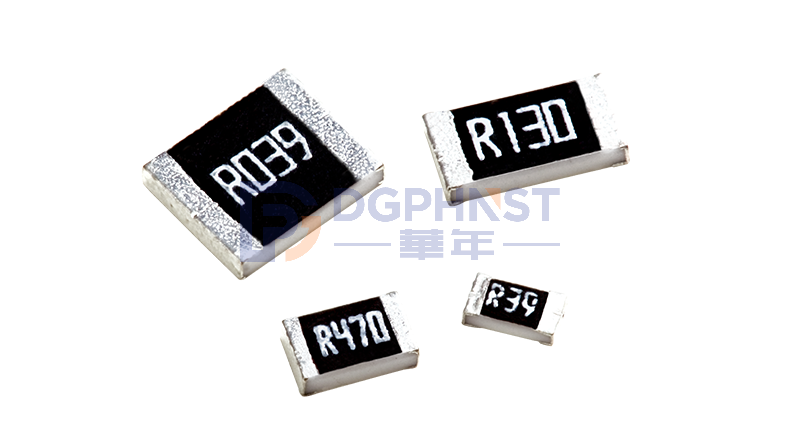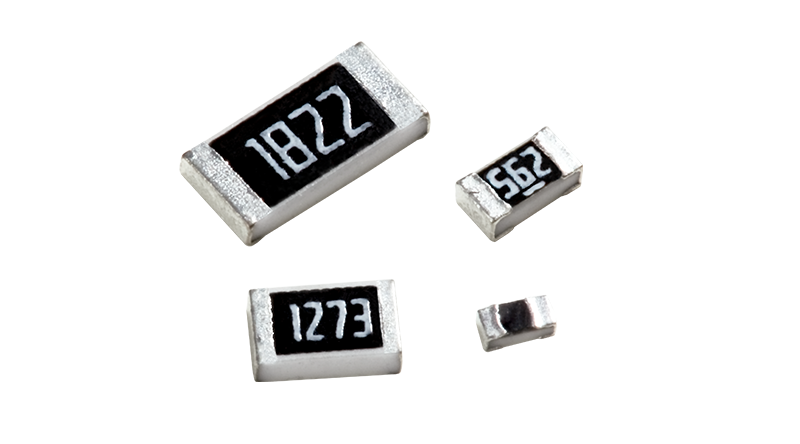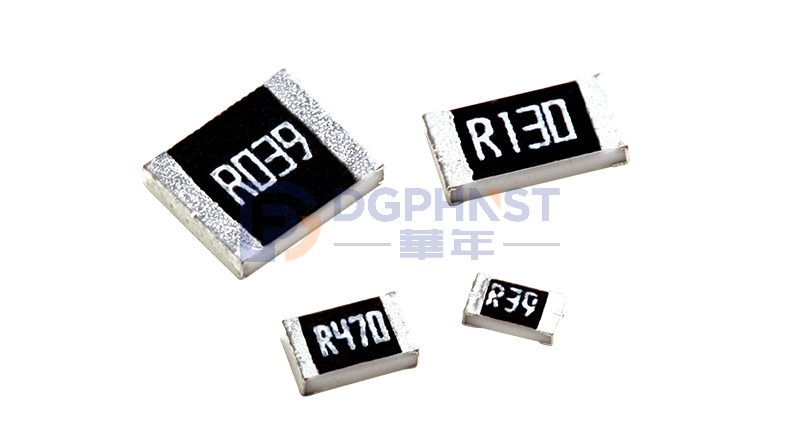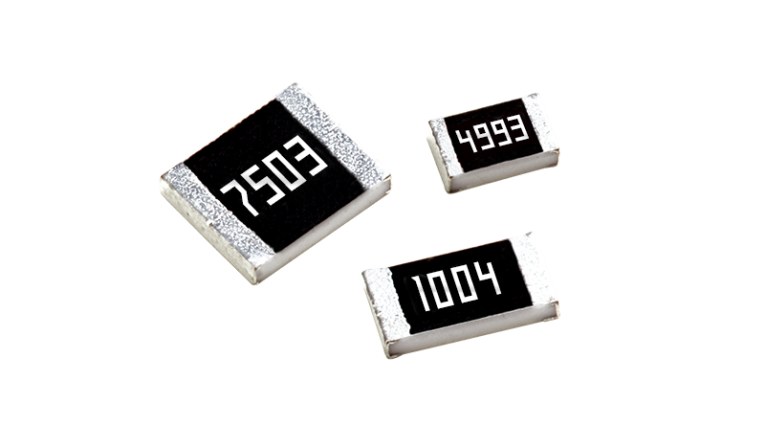
In the field of electronic hardware design, resistors are one of the most fundamental and critical passive components. When engineers choose surface mount resistors, the first choice they often face is: thick film resistors or thin film resistors, which one should be used? Although there is only a one character difference, the manufacturing process, performance focus, and application scenarios of the two are vastly different. Many people mistakenly believe that "thick film" means large volume and "thin film" means small volume, but this understanding is not accurate.
To understand the difference between the two, we need to start with the manufacturing process of the "membrane". Thick film resistors use screen printing technology, which coats resistor pastes such as ruthenium on ceramic substrates like printing newspapers. This conductive film is relatively thick, and the thickness after sintering is usually much greater than 10 microns. Thin film resistors, on the other hand, are completely different. They use vacuum evaporation or sputtering technology to attach metal materials such as nickel chromium to the substrate. The metal film formed by this process is extremely delicate, with a thickness often less than 1 micron, or even only one thousandth of that of thick films.
It is precisely because of the vast differences in this process that they each have their own strengths in performance indicators.
The biggest advantages of thick film resistors are cost-effectiveness and power. Due to its mature technology and ease of large-scale production, its manufacturing cost is relatively low. At the same time, thick film resistors can withstand relatively high power and high voltage impacts, making them an absolute mainstay in consumer electronics, power circuits, and some general-purpose digital circuits with low anti-interference requirements.
In contrast, thin film resistors are synonymous with "high precision". Due to the fact that thin film resistors are etched through precision processes such as photolithography, engineers are able to control the current path extremely accurately. This brings two core advantages:
Firstly, high precision and low temperature coefficient. The accuracy of thin film resistors can easily reach ± 0.1% or even ± 0.01%, with a temperature coefficient as low as ± 5ppm/° C. This means that when the ambient temperature changes dramatically, its resistance value can still maintain extremely high stability, making it very suitable for precision instruments and medical equipment.
Next is low current noise. In analog circuits such as audio or communication equipment, the internal structure of thick film resistors is like a mixture of metal particles and glass insulators, which can disrupt the path of electrons passing through and generate noise. The internal structure of thin film resistors is denser and more uniform, allowing for smooth electron movement and providing purer signal transmission, which is crucial for high fidelity audio amplification circuits.
|Characteristic Comparison | Thick Film Resistors | Thin Film Resistors|
|Core process | Screen printing thick film paste, sintering forming | Vacuum sputtering metal film, photolithography etching|
|Accuracy and temperature drift | Low accuracy (1% 5%), large temperature drift | High accuracy (0.01% 1%), extremely small temperature drift|
|Electrical performance | High power, high voltage resistance, surge resistance | Low noise, high stability, good high-frequency characteristics|
|Application scenarios | Power supply, ordinary household appliances, LED drivers | Precision instruments, medical, communication, audio|
|Cost price | Low, suitable for large-scale general consumer market | High, used in occasions with strict performance requirements|
In practical applications, there is no absolute right or wrong choice of resistor, the key lies in the balance between cost and performance. For example, in a fast charging charger, the current detection part requires stability, which may require the use of thin film resistors to ensure accurate current control; In ordinary LED current limiting or logic circuits, thick film resistors are completely sufficient, and there is no need to choose expensive thin film resistors.
As a professional service provider in the electronic component supply chain, Shenzhen Shunhai Technology Co., Ltd. has been deeply involved in the field of passive components for many years. Whether it is the high cost-effective thick film series or high-precision thin film resistors, we can provide original factory genuine support. At the same time, the online platform Huanian Mall under Shunhai Technology not only updates information in a timely manner, but also provides clear selection guidelines and spot services for different packaging and precision requirements, making it convenient for engineers to quickly obtain samples or complete bulk purchases. Whether it is the high reliability requirements of automotive standards or the strict parameter requirements of high-precision instruments, professional technical support and stable supply guarantee can be obtained through the channels of Huanian Mall.