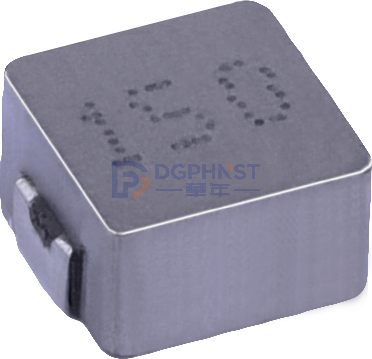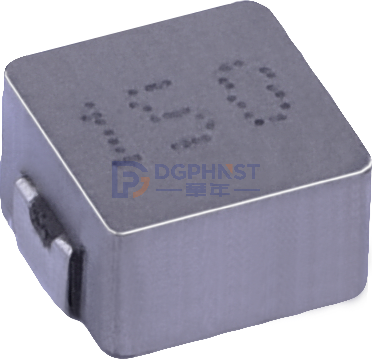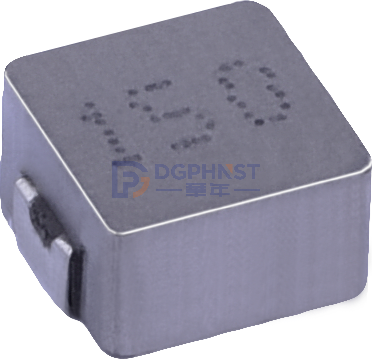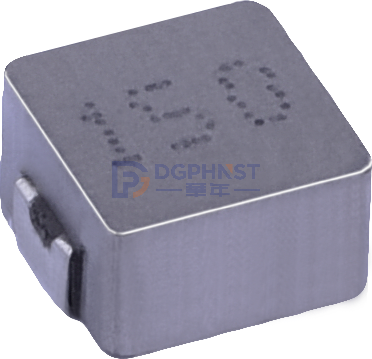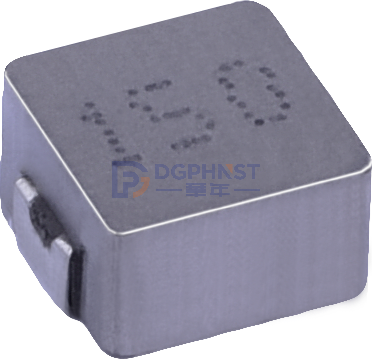
Comprehensive Introduction to 3920 0.0005R(0.0005 Ohm) 9W 1% ESR39F9W0M50M02G Metal Shunt Chip Resistor
In the field of precision electronic measurement and high-power current sensing, the performance of a resistor directly determines the stability and reliability of the entire system. This article focuses on an outstanding metal shunt chip resistor – model ESR39F9W0M50M02G, specifically the 3920 0.0005R(0.0005 Ohm) 9W product. Adopting the standard 3920 package size, with an ultra-low resistance value of 0.0005 ohms, a power rating of 9 watts, and a tolerance of 1%, the 3920 0.0005R(0.0005 Ohm) 9W represents a leading level in current shunt resistor technology. The following sections will provide a detailed analysis of this 3920 0.0005R(0.0005 Ohm) 9W resistor from multiple perspectives, including product parameters, core materials, key features, application scenarios, and environmental compliance.
1. Core Parameters and Model Decoding
The model ESR39F9W0M50M02G contains clear information: “3920” indicates the package size (9.9mm length × 5.0mm width, typical thickness 0.8mm); “F” likely denotes 1% tolerance; “9W” directly specifies 9W power rating; “0M50” represents 0.0005 ohms (i.e., 0.5 milliohm). The 3920 0.0005R(0.0005 Ohm) 9W resistor offers a tolerance of ±1%, making it suitable for applications requiring high current-sampling accuracy. Its 9W rated power is relatively high among products of the same 3920 package, allowing it to handle larger continuous currents without significant temperature rise. Notably, the extremely low resistance of the 3920 0.0005R(0.0005 Ohm) 9W minimizes energy loss in the main circuit while generating sufficient voltage drop for the subsequent amplifier to detect.
2. Core Material: Superiority of MnCu Alloy
This 3920 0.0005R(0.0005 Ohm) 9W resistor uses manganese‑copper (MnCu) alloy as the resistive element. MnCu is a copper‑manganese‑nickel alloy with an extremely low temperature coefficient of resistance (TCR), typically between ±10 and ±50 ppm/°C. This means that over the operating temperature range of -40°C to +125°C, the resistance value of the 3920 0.0005R(0.0005 Ohm) 9W changes very little, ensuring long‑term stability and repeatability of current measurement. Compared to conventional thick‑film or thin‑film resistors, the MnCu material offers much higher surge tolerance because the homogeneous bulk structure has no weak points prone to local overheating failure. When the 3920 0.0005R(0.0005 Ohm) 9W encounters transient high-current events (such as motor startup or power supply surges), the MnCu material uniformly absorbs energy and dissipates heat quickly, resisting resistance drift or open-circuit damage. Additionally, MnCu has good solderability with lead‑free solders, forming reliable, low‑contact‑resistance joints.
3. Key Performance Characteristics
3.1 High Accuracy (1%)
The 3920 0.0005R(0.0005 Ohm) 9W achieves ±1% tolerance, which is a high level in the milliohm ultra‑low resistance category. While ordinary shunt resistors often have tolerances of 5% or 2%, the 1% accuracy makes this product ideal for applications that demand precise current monitoring, such as battery management systems (BMS), motor drive current feedback, and power module overcurrent protection.
3.2 Low Temperature Drift
As mentioned, the low TCR of the MnCu material is a notable advantage of the 3920 0.0005R(0.0005 Ohm) 9W. With a typical TCR of ±25 ppm/°C, a 40°C ambient temperature change results in only a 0.1% relative resistance shift. For equipment that requires high measurement accuracy over the full operating temperature range (e.g., automotive electronics, industrial instruments), this characteristic is critical.
3.3 Strong Surge Withstand Capability
The 3920 0.0005R(0.0005 Ohm) 9W is designed with transient overload conditions in mind. Its metal plate structure can withstand several times the rated power for short pulse durations without failure. For example, under a 10 ms pulse width, this resistor can endure peak power up to 180 W. This makes the 3920 0.0005R(0.0005 Ohm) 9W highly reliable in motor controllers, power input surge protection, and other applications.
3.4 Low Thermal EMF
Because the Seebeck coefficient difference between MnCu and copper electrodes is very small, the 3920 0.0005R(0.0005 Ohm) 9W generates extremely low thermal EMF (typically < 1 μV/°C). This property is especially important in precision DC current sensing, avoiding measurement errors caused by temperature differences across the resistor.
4. Environmental Compliance
The 3920 0.0005R(0.0005 Ohm) 9W fully complies with the RoHS directive (2011/65/EU), containing no lead, mercury, cadmium, hexavalent chromium, PBBs, or PBDEs. It also meets REACH (EC 1907/2006) regulations, using no substances from the SVHC candidate list. The resistor is manufactured with lead‑free, environmentally friendly processes; its terminal plating is pure tin or matte tin, compatible with lead‑free reflow soldering, aligning with the global green manufacturing trend in electronics. Additionally, the product has passed low‑temperature verification (ensuring proper operation at -55°C), which is critical for aerospace and outdoor equipment in frigid regions.
5. Typical Applications
Thanks to the outstanding characteristics of the 3920 0.0005R(0.0005 Ohm) 9W, it is widely used in the following fields:
-
Battery Management Systems (BMS) – for current monitoring in battery packs of power tools, e‑bikes, and electric vehicles, enabling accurate coulomb counting and overcurrent protection.
-
Switching Power Supply Output Current Sensing – as a feedback resistor in DC‑DC converters and AC‑DC adapters to achieve constant current control.
-
Motor Drive Current Detection – for phase or bus current sensing in servo motors, stepper motors, and brushless DC motors.
-
Power Management Modules – such as point‑of‑load converters in server power supplies and telecom equipment, requiring high‑precision low‑resistance shunts.
-
Automotive Electronics – including body control modules, intelligent fuses, and lighting control, demanding wide temperature range and vibration resistance.
6. Usage Precautions
Despite the excellent performance of the 3920 0.0005R(0.0005 Ohm) 9W, PCB layout considerations are important: Kelvin (four‑terminal) connection should be used to separate the current path from the voltage sensing path, avoiding errors introduced by pad and trace resistance. Sufficient copper foil area for heat dissipation must be provided, as 9W power dissipation on a 3920 package will cause significant temperature rise. It is recommended to follow the thermal derating curve in the product datasheet to ensure long‑term reliability.
7. Conclusion
In summary, the 3920 0.0005R(0.0005 Ohm) 9W metal shunt chip resistor (model ESR39F9W0M50M02G) offers distinct advantages: low temperature drift, high accuracy, strong surge immunity, and full environmental compliance, all enabled by its MnCu alloy construction. It is an ideal choice for high‑current precision sensing applications. Whether in consumer electronics, industrial control, or automotive electronics, the 3920 0.0005R(0.0005 Ohm) 9W delivers stable and reliable performance. For design engineers, selecting this 3920 0.0005R(0.0005 Ohm) 9W resistor means achieving an excellent balance of high power and high precision within a limited footprint, significantly enhancing product competitiveness.