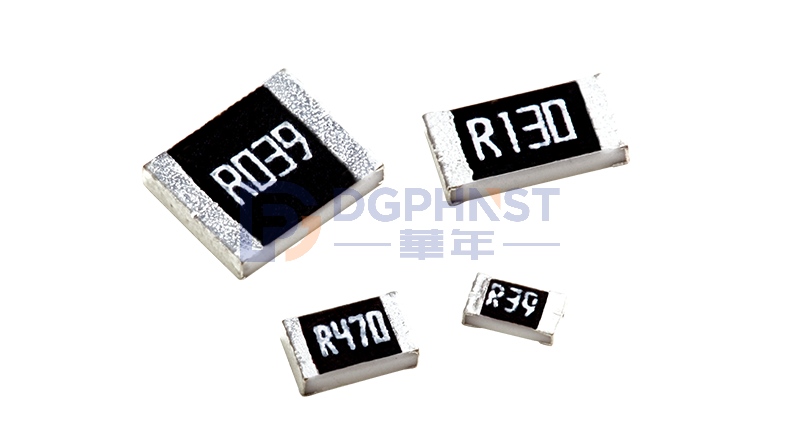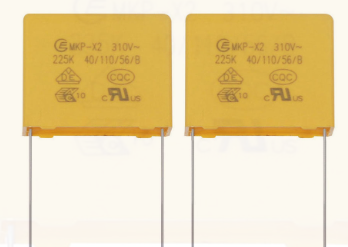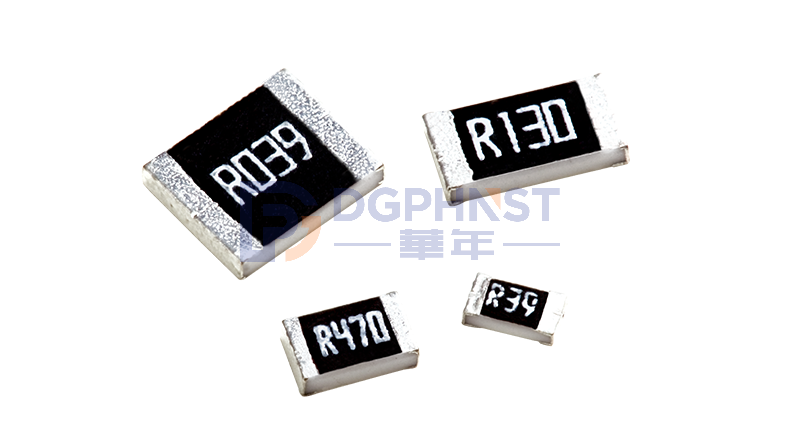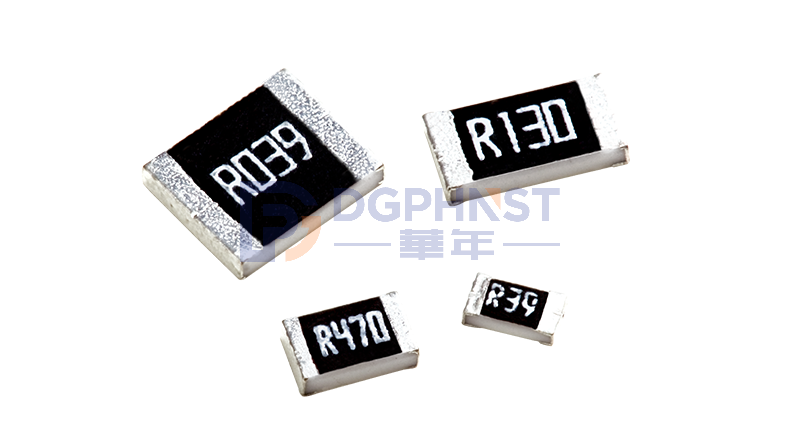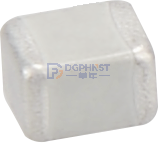
Various capacitors, resistors, inductors, and other components may appear unremarkable on the outside, but their interiors house highly precise microstructures. Below, Shunhai Technology will disassemble the internal cross-sectional structures of commonly used electronic components, presenting their structural characteristics and the causes of their performance.
I. Capacitor Types
1. SMD Capacitor
Despite its small appearance, the cross-section of an SMD capacitor consists of alternating layers of electrodes and ceramic dielectrics. The thin, interleaved layers are the core of its energy storage capability, which is why SMD capacitors can be compact yet have large capacitance.
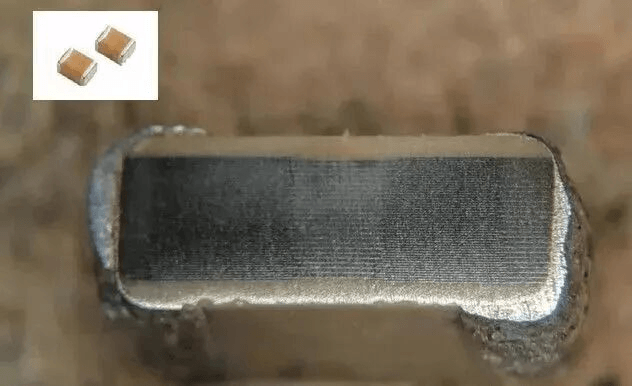
Sectional view of an SMD capacitor
2. Film Capacitor
Its interior consists of layered plastic film and metal foil wound together, with neatly arranged layers that isolate the electrodes using insulating films.
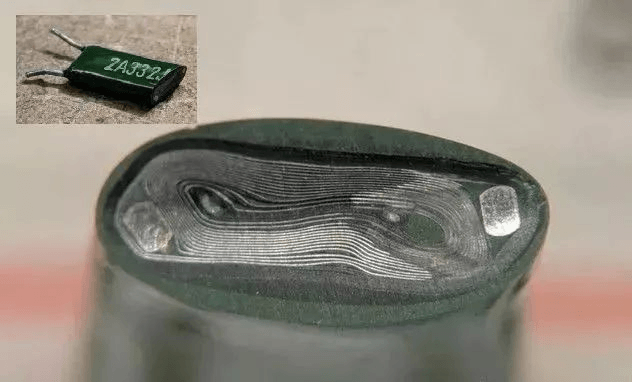
Sectional view of a film capacitor
3. Electrolytic Capacitor
After opening, one can clearly see aluminum foil and electrolytic paper tightly rolled into a cylinder, with electrolyte saturating the paper layer. The capacitance is achieved through an oxide film, and the multi-layer winding structure allows for higher capacitance.
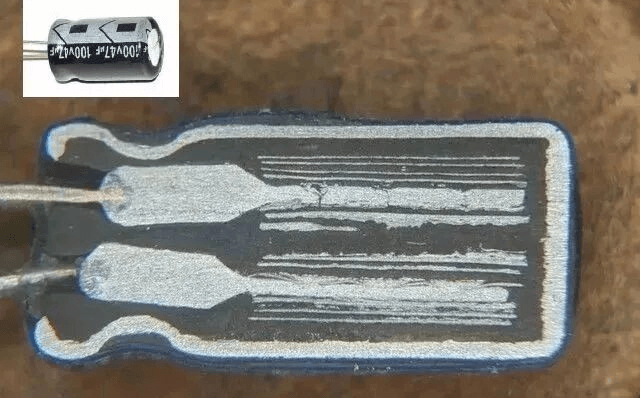
Sectional view of an electrolytic capacitor
4. Ceramic Capacitor
MLCCs use an alternating layer design of ceramic dielectric and metal electrodes. The clear cross-sectional layers allow for high capacitance in a compact size.
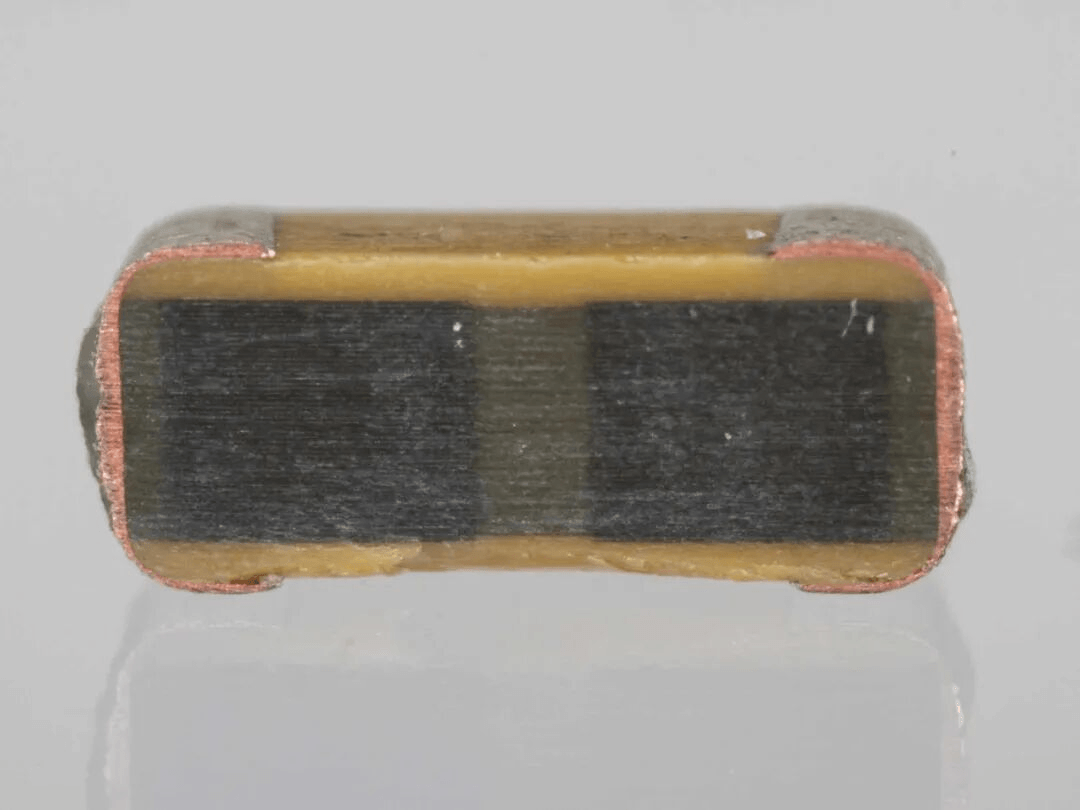
Sectional view of a ceramic capacitor
5. Tantalum Capacitor
Its interior features a porous tantalum anode, with tantalum oxide as the dielectric. The cross-section is dense and uniform, with no risk of electrolyte leakage, making it more stable than conventional electrolytic capacitors.
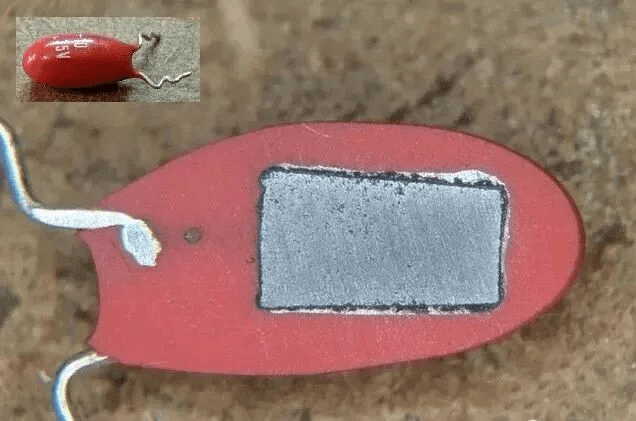
Sectional view of a tantalum capacitor
II. Resistor and Inductor Types
6. Metal Film Resistor
A metal resistor film is evenly coated on a ceramic substrate, with metal end caps connecting the leads. Precision spiral grooves regulate the resistance value, offering high accuracy and low temperature drift.
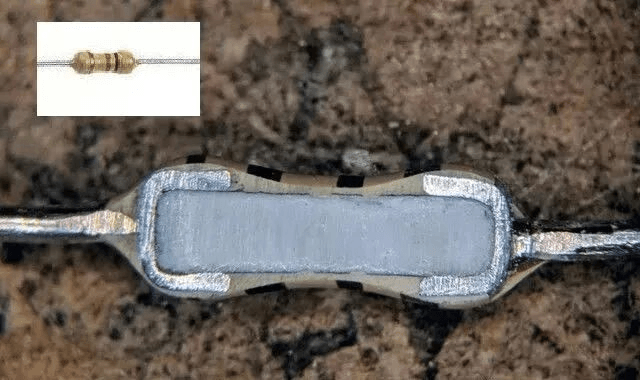
Sectional view of a metal film resistor
7. Carbon Composition Resistor (Carbon Resistor, commonly known as the 'pale pink resistor')
A typical cross-section of a carbon film resistor shows a phenolic skeleton filled with conductive carbon layers. The resistance value is controlled by the thickness of the carbon layer, making it cost-effective and suitable for general-purpose voltage division and current limiting applications.
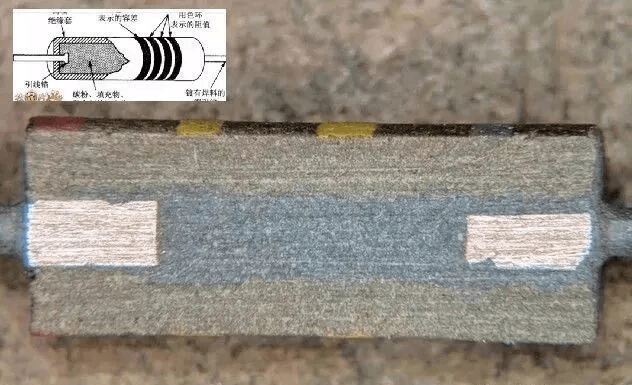
Sectional view of a pale pink resistor
8. Color Ring Inductor
Its interior consists of enameled copper wire wound around an iron oxide magnetic core, encapsulated with an outer layer of epoxy resin. The number of coil turns directly determines the inductance, allowing the cross-section to visually show the combination of the magnetic core and windings.
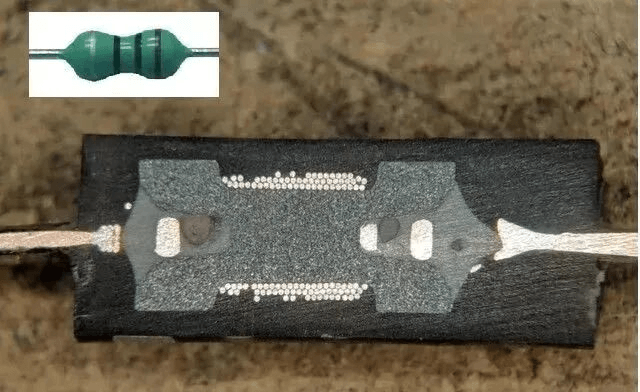
Sectional view of a color ring inductor
9. SMD Inductor
Copper wire windings are closely wrapped around an iron oxide magnetic core. The cross-section reveals neatly arranged coils, which rely on the magnetic core to gather magnetic flux, achieving efficient energy storage.
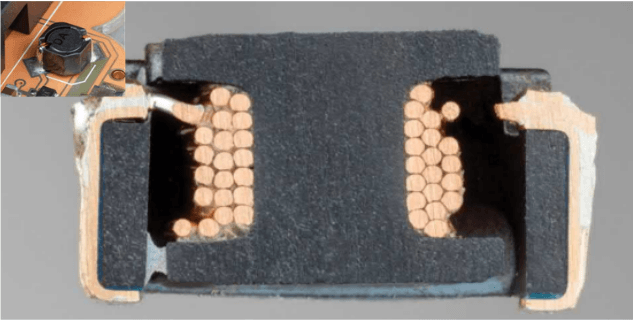
Sectional view of an SMD inductor
III. Semiconductor Devices
10. LED
The core inside is a light-emitting chip, supported by a bracket, with transparent epoxy resin for encapsulation. Metal leads on both sides connect the positive and negative poles, and the chip emits light when powered on.
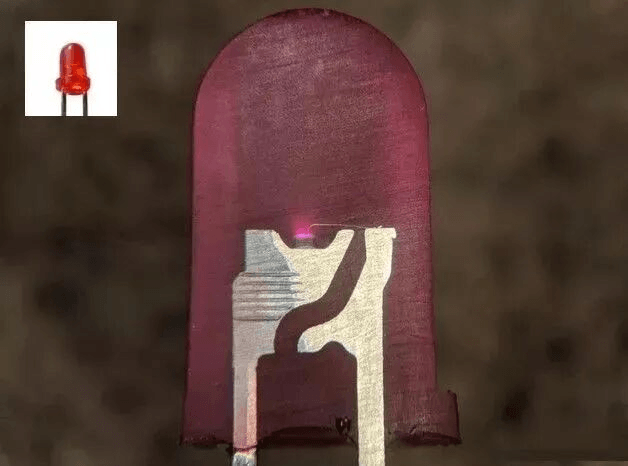
Sectional view of an LED
11. Diode
A silicon PN junction is centered within, with metal electrodes extending out from both ends. The key to unidirectional conduction is the thin PN junction in the middle, which can be clearly distinguished from the encapsulation layer in the cross-section.
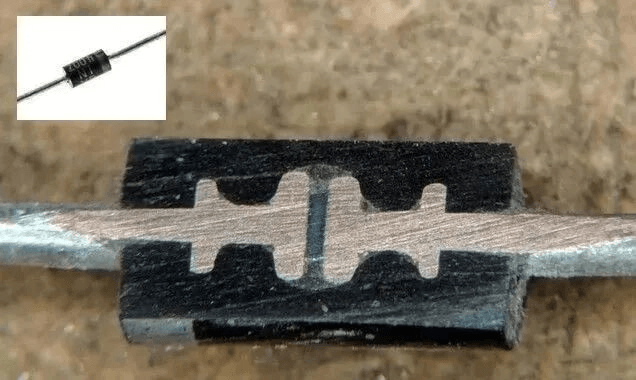
Sectional view of a diode
12. Transistor
The internal structure includes three semiconductor regions (emitter, base, and collector chips), with fine metal leads connecting the three pins. The layered structure enables current amplification.
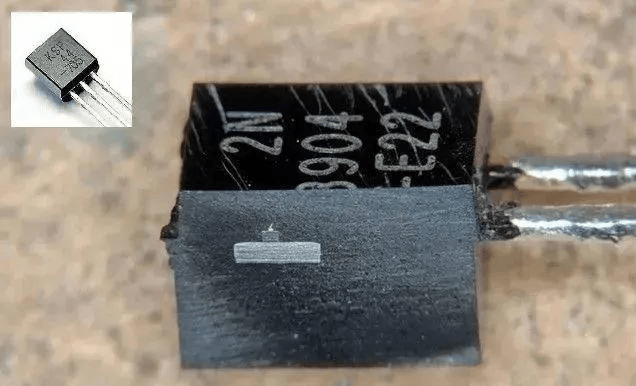
Sectional view of a transistor
Conclusion
Small electronic components hide precise material layers, mechanical structures, and semiconductor chips internally. Deeply understanding the internal structure of components helps accurately grasp their working principles and characteristic differences, providing a solid theoretical basis for circuit design, component selection, and equipment maintenance.